
Last updated October 30, 2026
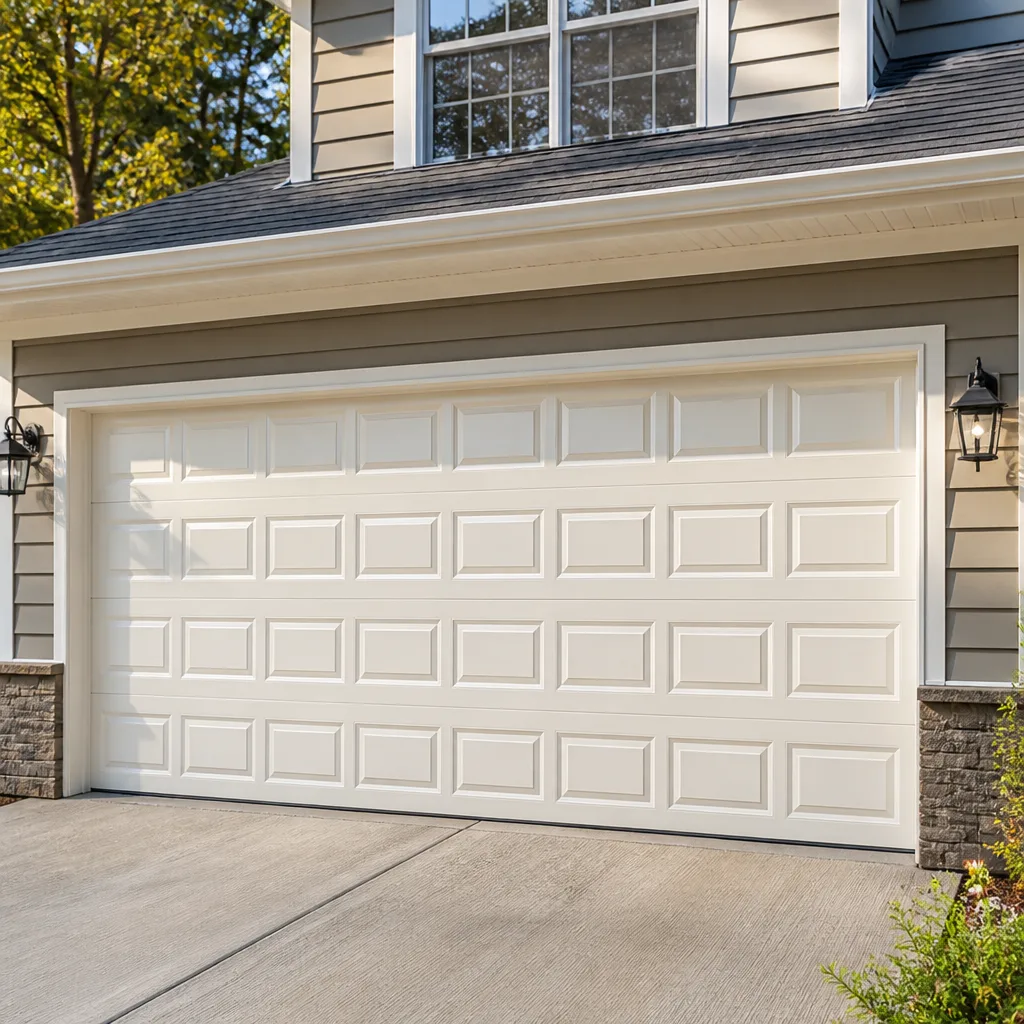 Raised-panel steel
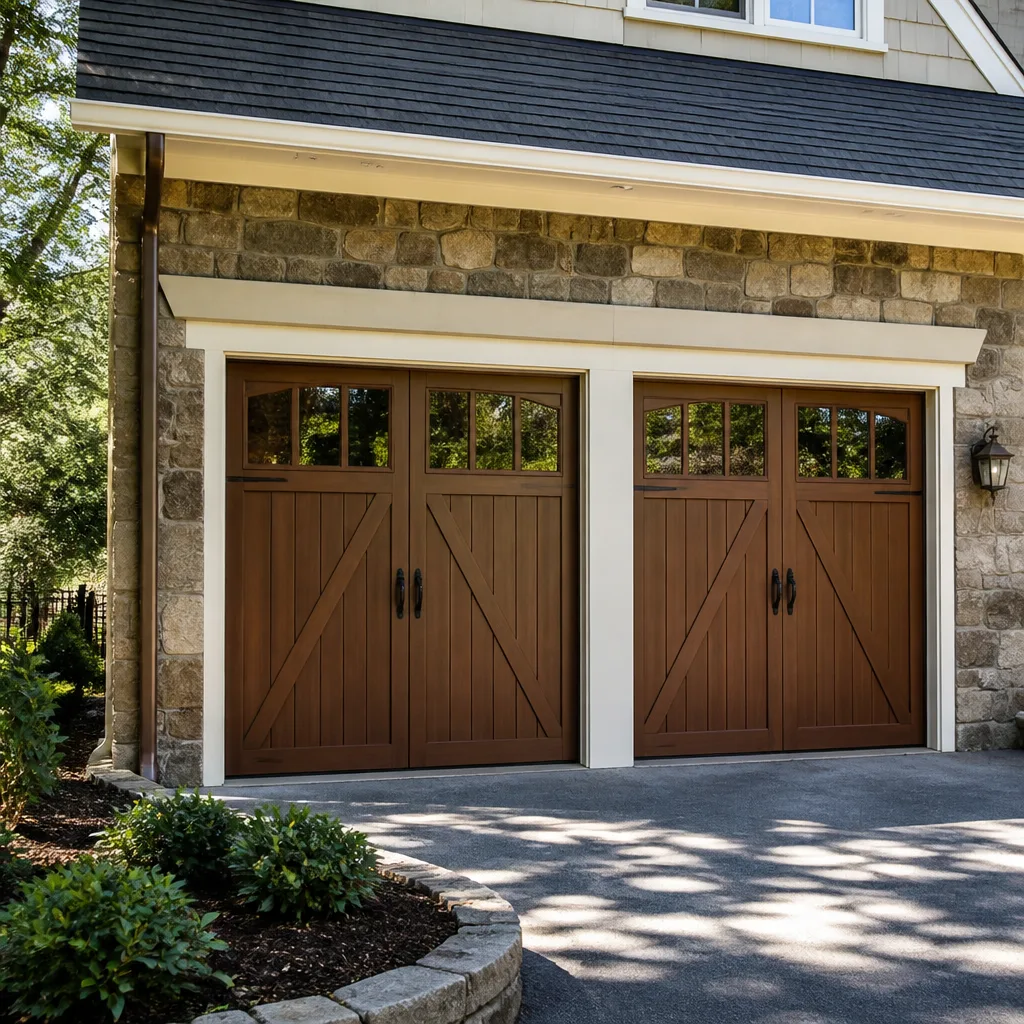 Carriage house
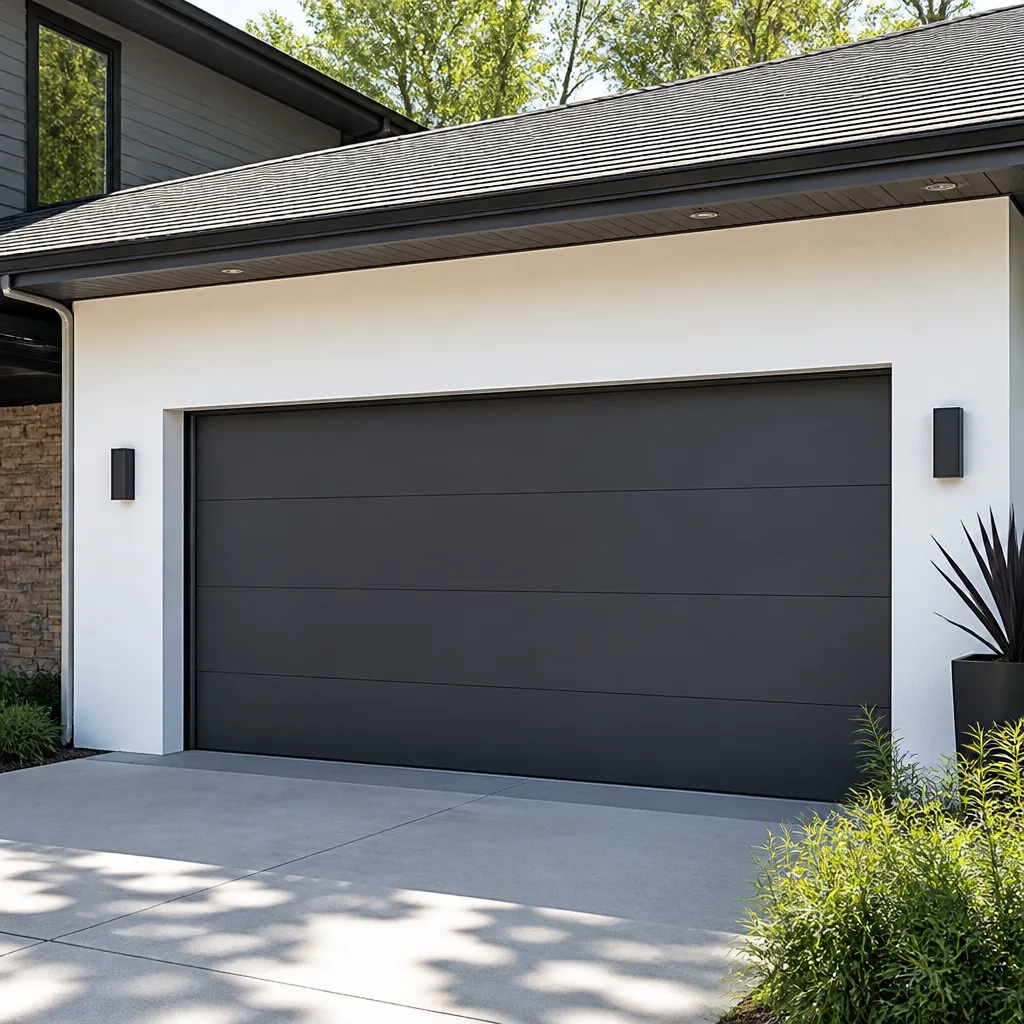 Modern flush
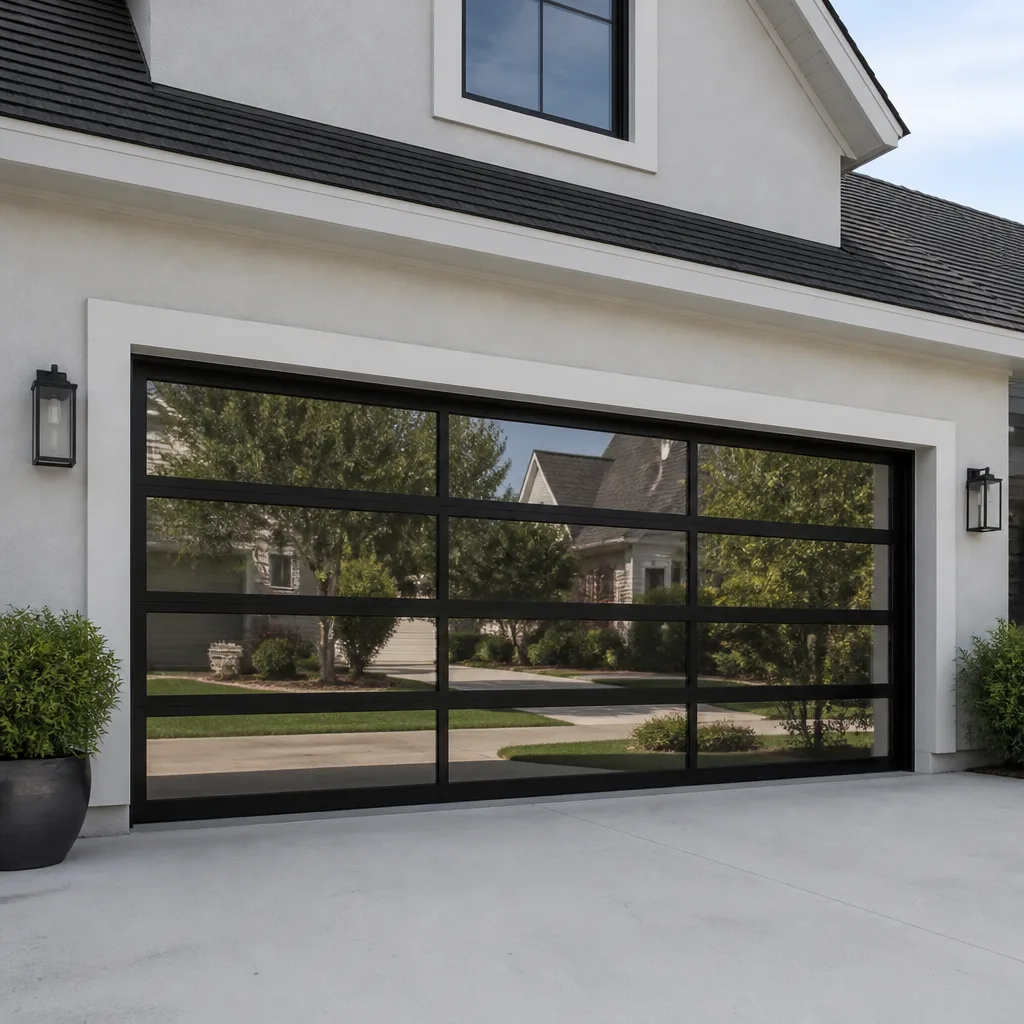 Full-view glass
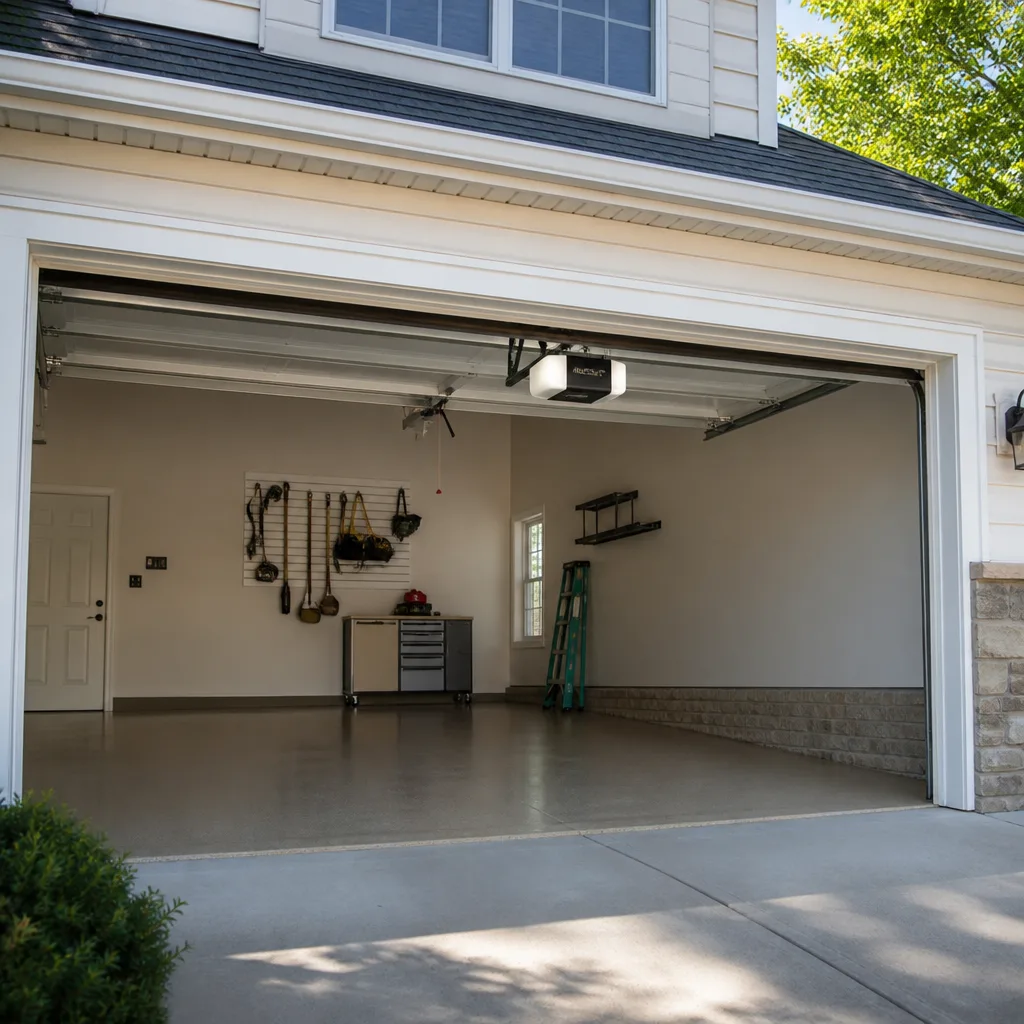 LiftMaster openers
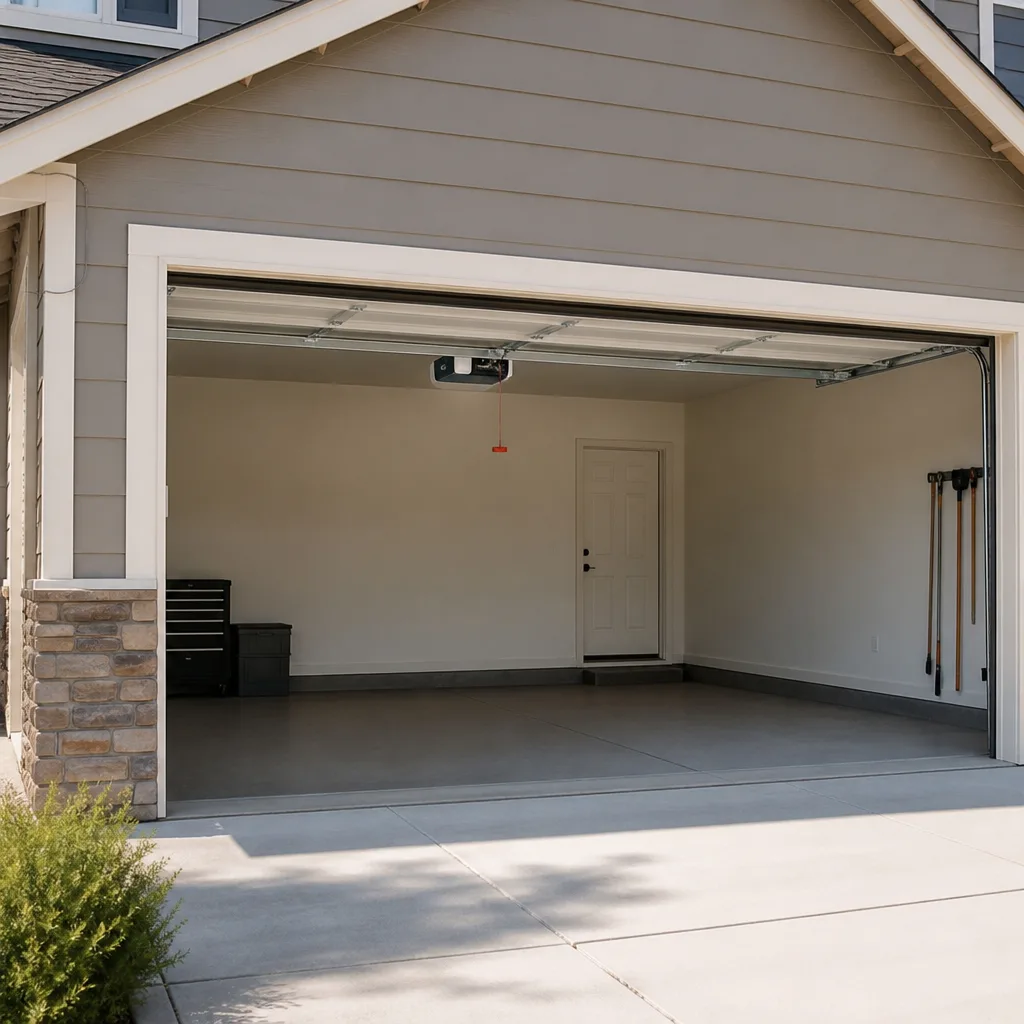 Chamberlain openers
Full 25-point door and opener safety check with every visit - springs, cables, rollers, tracks, and your LiftMaster or Chamberlain opener included
You get a price before we start. It does not change when the truck arrives.
Get your free estimateSeasonal Garage Door Care for St. Petersburg: Year-Round Homeowner’s Guide
The concept of winterizing a garage door makes sense in Minneapolis. Here in St. Petersburg, trying to apply a northern seasonal calendar to your garage hardware is a fast way to miss the actual threats. Our climate doesn’t punish doors with ice and road salt. It punishes them with hurricane-force wind loads, relentless UV exposure, salt air, and thermal expansion that happens while you’re inside running the air conditioner. By the time a St. Petersburg homeowner notices a sluggish door or a rusted bottom seal, the underlying problem has usually been developing for months. This guide maps garage door maintenance to the calendar that actually governs Pinellas County, so you can address problems before a named storm or a 95-degree afternoon turns them into emergencies. For broader context, see The Complete Guide to Garage Door in St. Petersburg.
Styles & brands we work with
Quick Answer
Seasonal garage door care in St. Petersburg should be scheduled around three windows: a February through April dry-season hardware service, a May pre-hurricane safety check that includes wind-load inspection and manual release testing, and a June through September summer protocol focused on heat expansion and lubricant breakdown. Coastal homes need year-round salt-air surface defense on top of all three.
Table of Contents
- Why St. Petersburg’s Climate Demands a Different Maintenance Calendar
- The Dry Season Window (February – April): Hardware Service Before the Stress Arrives
- Pre-Hurricane Season Checklist (May): Wind-Load Hardware and Manual Release
- Peak Summer Protocol (June – September): Heat, Expansion, and Lubricant Failure
- Post-Storm Inspection: What to Check After a Named Storm Passes
- Year-Round Salt-Air Defense: Coastal Corridor vs. Inland Pinellas
- Expected Hardware Lifespans in St. Petersburg’s Climate
- Common Mistakes to Avoid
- When to Call a Professional
- Frequently Asked Questions
- The Bottom Line
Why St. Petersburg’s Climate Demands a Different Maintenance Calendar
St. Petersburg sits on a peninsula between Tampa Bay and the Gulf of Mexico. That geography creates a specific set of conditions for garage door hardware. Humidity averages above 70 percent for most of the year. Summer temperatures routinely exceed 90 degrees. The Atlantic hurricane season runs from June 1 through November 30, with the most active period for our area falling between mid-August and late October. Salt air travels inland from the Gulf, and its reach extends much farther than most homeowners assume.
What this means for your door is straightforward: the components that fail first in St. Petersburg are not the same components that fail first in other climates. We see torsion springs that corrode from the inside out, rollers that develop flat spots from heat-softened nylon, bottom seals that crack from UV exposure, and track brackets that loosen from repeated thermal cycling. A generic spring and fall checklist does not account for any of this. The maintenance calendar that actually works here is built around three distinct windows, plus a year-round surface defense routine for homes within three miles of the coast.
If your door is original to a home built before the 2001 Florida Building Code update, you’re also dealing with hardware that was never rated for current wind-load standards. That’s a structural issue we’ll address in the hurricane prep section, but it’s worth knowing from the start: St. Petersburg homes built before that code revision often have doors that need reinforcement or replacement before the next major storm.
The Dry Season Window (February – April): Hardware Service Before the Stress Arrives
February through April is the best maintenance window in St. Petersburg for one simple reason: the humidity drops, the temperature sits in the 70s, and neither hurricane wind nor summer heat is actively stressing your hardware. If you’re going to replace springs, cables, or rollers, this is when you do it. You want those new components fully seated and tested before June arrives.
Here’s the step-by-step service routine we recommend for this window:
- Inspect both torsion springs for corrosion and separation. Look for rust discoloration, gaps in the coil, or a spring that has stretched. A torsion spring that fails in August will always fail on a day you use the door multiple times.
- Check cable condition at the bottom brackets and drum. Cables fray before they snap. Run your hand along the full length, looking for broken strands. If you see more than a few, replace both cables as a set.
- Test roller movement along the full track length. Rollers should glide, not grind. Nylon rollers that have flat spots create vibration that loosens track bolts over time.
- Tighten every track bracket bolt and hinge screw. Thermal cycling loosens fasteners slowly. A bracket that’s loose in April will be rattling in July and binding by September.
- Lubricate springs, hinges, and rollers with a lithium-based or silicone spray. Avoid WD-40, which displaces the heavier lubricant your door needs. Spray the torsion spring coils, the hinge pivot points, and the roller bearings if the roller is designed for lubrication. Many sealed nylon rollers do not need spray.
- Check the bottom seal for cracks, flattening, or daylight gaps. The rubber ages quickly in UV, and a failed seal invites rain, pests, and hot air into the garage.
- Run one full open and close cycle and listen. The door should be quiet, or at least consistent in its sound. Grinding, popping, or a door that jerks at any point means something is wearing unevenly.
This is also the window where we see homeowners get the best value on scheduled service. The demand for Garage Door Repair in St. Petersburg is at its lowest in March, which means scheduling is flexible and parts for LiftMaster, Genie, Clopay, and Amarr systems are fully stocked. By the time the first heat wave hits in June, that availability tightens up.
Pre-Hurricane Season Checklist (May): Wind-Load Hardware and Manual Release
If you do nothing else on this guide, do this section. St. Petersburg’s building codes reflect the reality that a garage door is often the single largest opening on a home’s windward face. When a hurricane-force gust blows through a garage opening, the pressure differential lifts the roof. That’s the actual failure sequence. Your garage door is not just protecting your car. It’s protecting the entire structural envelope of your house.
Here is the pre-hurricane checklist to run every May, before the season’s first named storm:
- Verify that your door is wind-load rated for your home’s location. Homes within one mile of the coast fall into more demanding wind zones than inland Pinellas. If your door was installed before 2001, it likely does not meet current Florida Building Code wind-load requirements. Look for a sticker or plate on the door panel itself with a wind-load rating. No sticker usually means no rating.
- Inspect the vertical track mounting brackets for any sign of pull-away. Wind pressure pushes the door inward while the track brackets try to hold it. Loose bolts, drywall dust around the bracket, or visible gaps between the bracket and the jamb are signs that the track system needs reinforcement before a storm.
- Check the bottom seal for full contact across the slab. A door that does not seal completely lets wind-driven rain and pressure under the panel. Water is the secondary problem. The primary problem is that the gap allows pressure equalization, which reduces the door’s effective wind-load rating.
- Test the manual release handle. You should be able to pull the red cord and lift the door by hand without fighting the opener. If the door is heavy, hard to lift, or slams shut on the way down, you have a spring balance problem. Fix it now, not when the power goes out and you need the door open for emergency access.
- Confirm the opener’s battery backup works, if equipped. In St. Petersburg, a few days without power after a storm is normal. A battery backup lets you operate the door without grid power, which matters when you need to charge devices or get a generator out of the garage.
- Document everything with photos. Clear dated photos of your door, tracks, springs, and opener make an insurance claim dramatically easier if a storm does cause damage.
If your door fails any of these checks, address it before hurricane season begins in earnest. A door that’s marginal in May is dangerous in September. We handle Garage Door Opener Repair in St. Petersburg plus full door reinforcement projects from a single service call, so a failed manual release check doesn’t mean juggling multiple contractors.
Peak Summer Protocol (June – September): Heat, Expansion, and Lubricant Failure
St. Petersburg summers are the slow killers of garage door hardware. The issue is not a single dramatic event. It’s four months of accumulated thermal stress. Steel expands when it heats, and it expands unevenly depending on sun exposure. A door facing west in the afternoon sun might have panels reaching 140 degrees while the track on the shaded side stays 30 degrees cooler. That differential pushes the panels against the track, accelerates roller wear, and creates the grinding noise so many homeowners in the Snell Isle and Old Northeast neighborhoods complain about by July.
Here’s what deserves attention during the hottest stretch:
- Track clearance and binding. Thermal expansion reduces the working gap between the door edge and the track. A door that ran quietly in April might bind in August. Listen during the mid-afternoon heat, when expansion is at its maximum. If you hear scraping, the track likely needs a minor adjustment.
- Lubricant breakdown above 95 degrees. Many homeowner-grade spray lubricants break down in sustained heat, leaving a gummy residue on the torsion spring and hinges. Use a silicone or lithium spray rated for high operating temperatures. Reapply every 60 to 90 days through the summer, and wipe away old residue before applying fresh.
- Opener motor overheating. LiftMaster and Chamberlain openers with DC motors run cool, but older AC-motor models can overheat when they cycle frequently in a hot garage. If your opener stops working in the afternoon and works again after cooling down, the motor’s thermal protection is tripping. That’s a warning sign to service the opener before it fails permanently.
- Door panel fading and paint absorption. Direct UV on dark-colored steel panels in St. Petersburg will fade paint within three to five years. A faded panel is not just cosmetic. The fading is a sign the panel’s factory finish has broken down, which means the steel underneath is losing its rust protection. Touch up scratches and chips during the dry season, before the summer rain accelerates corrosion.
- Bottom seal drying and cracking. The rubber seal that kept rain out during a mild spring will dry, shrink, and crack after one full summer. Check it in late September. A seal that shows cracks needs replacement before the next rain event.
We field a large share of summer service calls from homeowners who replaced a spring in March and thought the door was set for the year. For deeper troubleshooting help, see The Complete Garage Door Repair Guide for St. Petersburg Homeowners. The spring might be fine; the problem is often a track that shifted two millimeters due to heat expansion, or a roller that flattened under the load. These are quick fixes when caught early and expensive ones when ignored until the door binds hard enough to bend a hinge.
Post-Storm Inspection: What to Check After a Named Storm Passes
Even when a storm passes without roof damage or flooding, a garage door takes wind load and debris impact that can shift the entire track system. The damage is often invisible at a glance. A door that opens and closes fine the day after a storm may start binding a week later once the track settles into its new, slightly misaligned position.
Here’s the post-storm checklist to run within a few days after any named storm passes through St. Petersburg:
- Run the door through a full cycle manually. Pull the red release cord and lift. You are checking for smooth, even movement without extra resistance at any point in the travel. Resistance means the track or the door has shifted.
- Look at the gap between the panel edge and the track on both sides. The gap should be consistent from bottom to top. If it narrows at any point, the track is bent or the door panel has been pushed out of square.
- Examine the jamb brackets for pulled screws or cracks around the mounting points. Wind load transfers force from the door, to the track, to the brackets, to the jamb. The jamb can crack and still look structurally fine from the outside.
- Check the door panels for dents, buckling, or stress creases. A stress crease is a line in the steel that indicates the panel flexed beyond its elastic limit. That panel needs replacement even if it still moves correctly. The structural integrity is gone.
- Test the opener force settings. After a storm, run the door and slap your hand down on the bottom edge as it closes. It should reverse immediately. If the opener force settings were lifted by impact or power surges, it might not reverse properly, which is a safety hazard for kids and pets.
- Photograph everything that looks even slightly off. Insurance adjusters want documentation, and storm-related garage door damage is the most under-claimed category in Pinellas County.
For doors that have been ridden hard through a major storm, give the track system a full retorque and realignment. The work takes less than an hour for a technician and prevents a cascade of roller and hinge failures in the months after the storm. It’s the difference between catching a two-millimeter track shift and replacing an entire panel assembly later.
Year-Round Salt-Air Defense: Coastal Corridor vs. Inland Pinellas
Salt air in St. Petersburg is not limited to homes on Pass-a-Grille or Tierra Verde. The prevailing Gulf breeze pushes salt inland across the peninsula, and in our experience, meaningful corrosion shows up on homes within three miles of the coast. Homes east of Interstate 275 still get some salt exposure but at a much lower concentration. The practical implication: if you live west of 34th Street South, your garage door hardware needs a different maintenance cadence than someone in Pinellas Park or Lealman.
Here’s what salt air actually does to the different components:
- Torsion springs lose their surface coating and rust from the coil gaps outward. This is the number one cause of early spring failure in coastal St. Petersburg. A spring rated for 10,000 cycles might fail in 6,000 if corrosion creates a stress riser.
- Steel cables develop rust pitting that progresses to strand failure. The failure almost always happens at the bottom bracket, where salt-laden water sits and dries repeatedly.
- Track brackets rust at the bolt holes and lose clamping force. You’ll see rust streaks on the jamb first. By the time the bracket itself fails, the track has usually been moving slightly for months.
- Exposed hinges and end stiles on steel doors corrode fastest. Wayne Dalton and Amarr doors with factory-finished steel are very resistant, but any scratch or paint chip that exposes raw steel in a coastal setting will start rusting within weeks.
- Hardware on Craftsman and Raynor doors performs well, but raw fasteners on any brand will corrode. That’s true across manufacturer lines in maritime climates.
For coastal properties, our recommendation is a twice-yearly washdown of the door tracks and hardware. Rinse the tracks and lower panel with fresh water in the spring and again in November, then blow dry or wipe down. This removes the salt film before it has a chance to sit. Touch up any paint chips within 30 days, not next season. After that, apply an automotive-grade synthetic protectant to exposed hardware surfaces. It’s a 20-minute job that extends hardware life by two to three years in the coastal corridor.
If you’re replacing a door on a home west of 34th Street, choose hardware with a powder-coated finish or stainless-steel fasteners. Not all installers quote coastal-grade hardware by default, and the wrong hardware choice can cost you a full component replacement within five years. A Garage Door Installation in St. Petersburg project should always specify coastal-rated hardware for homes in the salt zone.
Expected Hardware Lifespans in St. Petersburg’s Climate
Homeowners often ask us how long their components should last. National averages are not particularly useful here, because St. Petersburg’s climate cuts spring and roller life measurably. The numbers below assume regular maintenance as described in this guide. Skip the maintenance and you’ll see failure at the lower end of every range regardless of brand. These are ranges we have observed across Wayne Dalton, LiftMaster, Chamberlain, Genie, and Raynor systems in our service area. If you’re weighing brands, read Choosing the Right Garage Door Brand: A Buyer’s Guide for St. Petersburg.
| Component | Expected Lifespan (Maintained) | Common Failure Mode in St. Petersburg |
|---|---|---|
| Torsion spring (standard) | 6 – 9 years | Corrosion-induced cracking in coastal salt air |
| Extension spring | 4 – 7 years | Stretching, rust pitting, sudden snap |
| Nylon rollers | 7 – 10 years | Heat-induced flat spotting, bearing failure |
| Steel rollers | 3 – 5 years | Bearing seizure, track wear from lack of lubrication |
| Bottom rubber seal | 2 – 4 years | UV cracking, salt hardening, shrinkage gaps |
| Steel lift cables | 6 – 10 years | Corrosion pitting at drum and bottom bracket |
| Garage door opener motor (AC) | 8 – 12 years | Thermal protection trips, gear wear |
| Garage door opener motor (DC) | 10 – 15 years | Logic board failure, sensor misalignment |
These are planning numbers, not promises. If your door is 15 years old, has never had a spring replacement, and you live within a mile of the Gulf, you are overdue for a full hardware assessment. The door may work fine until it suddenly doesn’t, and the failure point is rarely a slow and gentle one.
Common Mistakes to Avoid
- Treating WD-40 as a garage door lubricant. WD-40 is a water displacement formula. It strips the heavier lubricant from springs and hinges, leaving them drier than before. Use lithium or silicone spray instead.
- Ignoring the manual release test. St. Petersburg homeowners think about the manual release only after a hurricane knocks out power. If the door is too heavy to lift manually in May, you’ll be trapped with a dead opener and a stuck door in September.
- Replacing one spring instead of both. If one torsion spring has failed from fatigue, the other is at the same cycle count. Replacing a single spring saves money in March and costs another service call by October.
- Waiting until June to book a service appointment. The dry season is the best time to get prompt scheduling in St. Petersburg. Once summer heat and storms start, our service calendar fills quickly with emergency repairs.
- Skipping the post-storm track check because the door still works. A shifted track will work fine until thermal expansion tightens the clearance and binds the door. By the time you notice, the damage has compounded.
- Using non-corrosion-resistant fasteners on coastal doors. A stainless or powder-coated fastener costs cents more than a zinc-plated one. On a home within three miles of the Gulf, the cheap fastener fails within four years.
- Ignoring fading as a cosmetic issue only. Faded panels on a St. Petersburg home are a sign the rust-preventive factory finish has broken down. The fade itself is the early warning system, and the right response is touch-up, not a shrug.
When to Call a Professional
There are jobs on this list that a careful homeowner can handle: rinsing salt residue off tracks, checking for daylight under the bottom seal, testing the manual release. Then there are the jobs that require training, correct tools, and experience with the specific brand of hardware on your door. Torsion springs are wound under hundreds of pounds of tension, and an improperly released spring can injure or kill. Cable replacement near a loaded spring carries the same risk. Track realignment, wind-load bracket inspection, and opener force adjustment all fall into the professional category. If you are unsure whether a job is safe to handle, treat it as a job you should not be handling. St. Petersburg Garage Door Repair offers free estimates in St. Petersburg. Call (855) 473-1420 and we’ll give you an honest assessment of whether your door needs work, what it will cost, and whether any of it is urgent. The quote is always agreed before any work starts.
Frequently Asked Questions
Most St. Petersburg homeowners spend between $75 and $180 for a standard maintenance visit that includes track lubrication, spring inspection, roller check, bottom seal examination, and a full cycle test. Repairs found during maintenance, like a fraying cable or a worn roller, are quoted separately. Call (855) 473-1420 for a free estimate on maintenance before summer heat or storm season arrives.
February through April. The dry-season window offers cool temperatures that let new springs settle without thermal stress, low humidity that reduces corrosion on the new components, and scheduling flexibility before the summer rush. A spring replacement done in March is a completely different experience than one done in August.
Every 90 days during the summer, and once during the dry season. The heat breaks down lubricants faster than winter cold ever could, so St. Petersburg doors need more frequent application than doors in cooler climates. Use lithium or silicone spray on the torsion spring coils, hinge pivot points, and bearing surfaces. Wipe off old residue before applying fresh.
Yes. We see significant corrosion on homes within three miles of the Gulf coast all over St. Petersburg, including neighborhoods like Lakewood Estates and Coquina Key. The damage is slower than beachfront exposure but still measurable. Twice-yearly washdowns and stainless fasteners are worth the effort for any home west of 34th Street South.
Check wind-load certification, track bracket tightness, bottom seal integrity, manual release function, and opener battery backup before June 1. Any one of these failing means the door becomes a risk to your home’s structural envelope during a storm. For homes built before 2001 without wind-load rated doors, a professional assessment is warranted.
No brand-specific summer care is required, but DC-motor openers from LiftMaster and Chamberlain handle heat better than older AC-motor units from any manufacturer. If your opener stops working on hot afternoons and recovers by evening, the motor is overheating and needs service before it fails permanently. The diagnosis on an opener is always specific to the symptoms, not the brand.
The Bottom Line
St. Petersburg garage doors fail on a predictable calendar: spring corrosion from salt air, summer binding from thermal expansion, storm season damage from wind load, and slow UV deterioration of seals and finishes. The maintenance plan that addresses each failure in its proper window is simple: a dry-season hardware service in February through April, a pre-hurricane safety check in May, summer heat-coping protocol from June through September, a post-storm inspection after any named storm, and year-round salt defense for coastal homes. This is the same calendar our technicians work from every year, and the same one we recommend to every homeowner in St. Petersburg. Your door has a diagnosis waiting. Get ahead of it before the weather does. Explore more guides & resources to stay on top of maintenance year-round.
Written by the team at St. Petersburg Garage Door Repair, serving St. Petersburg since 2011.
See the difference
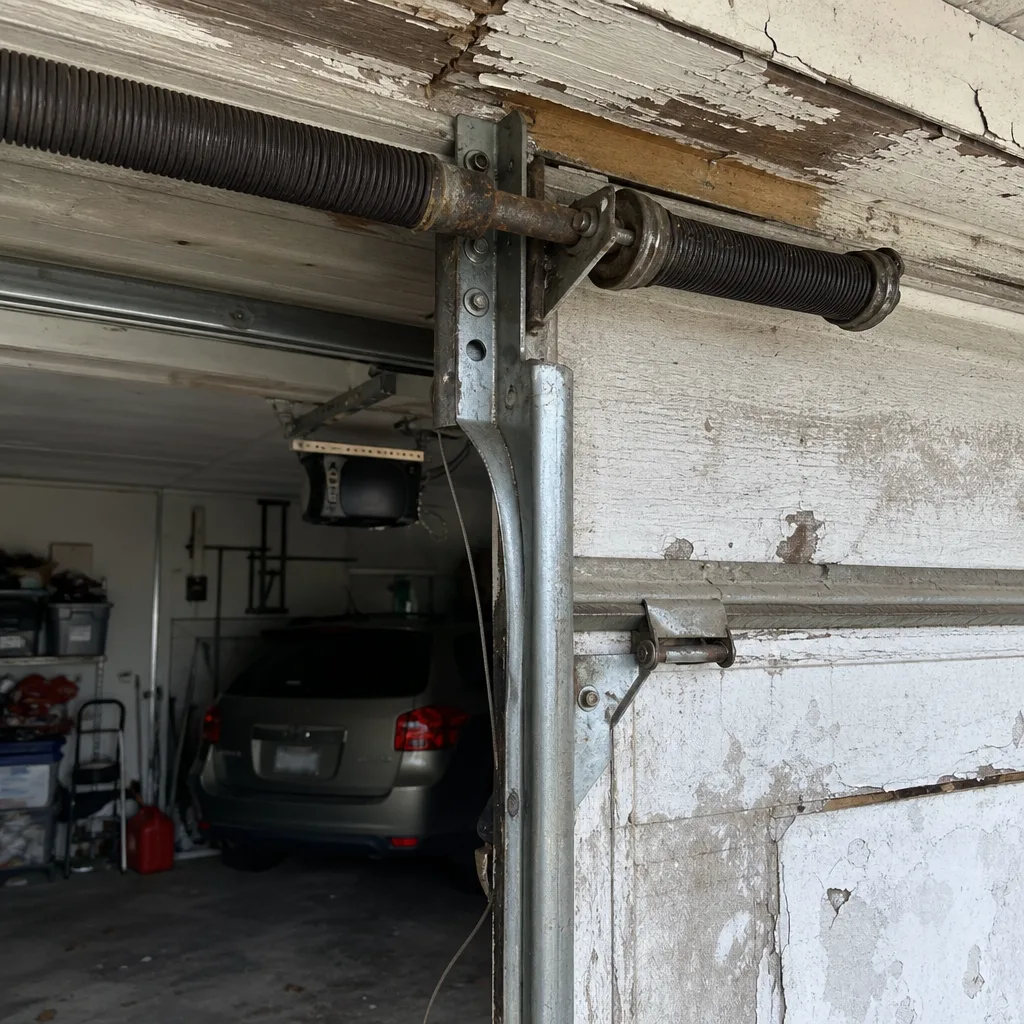 Before
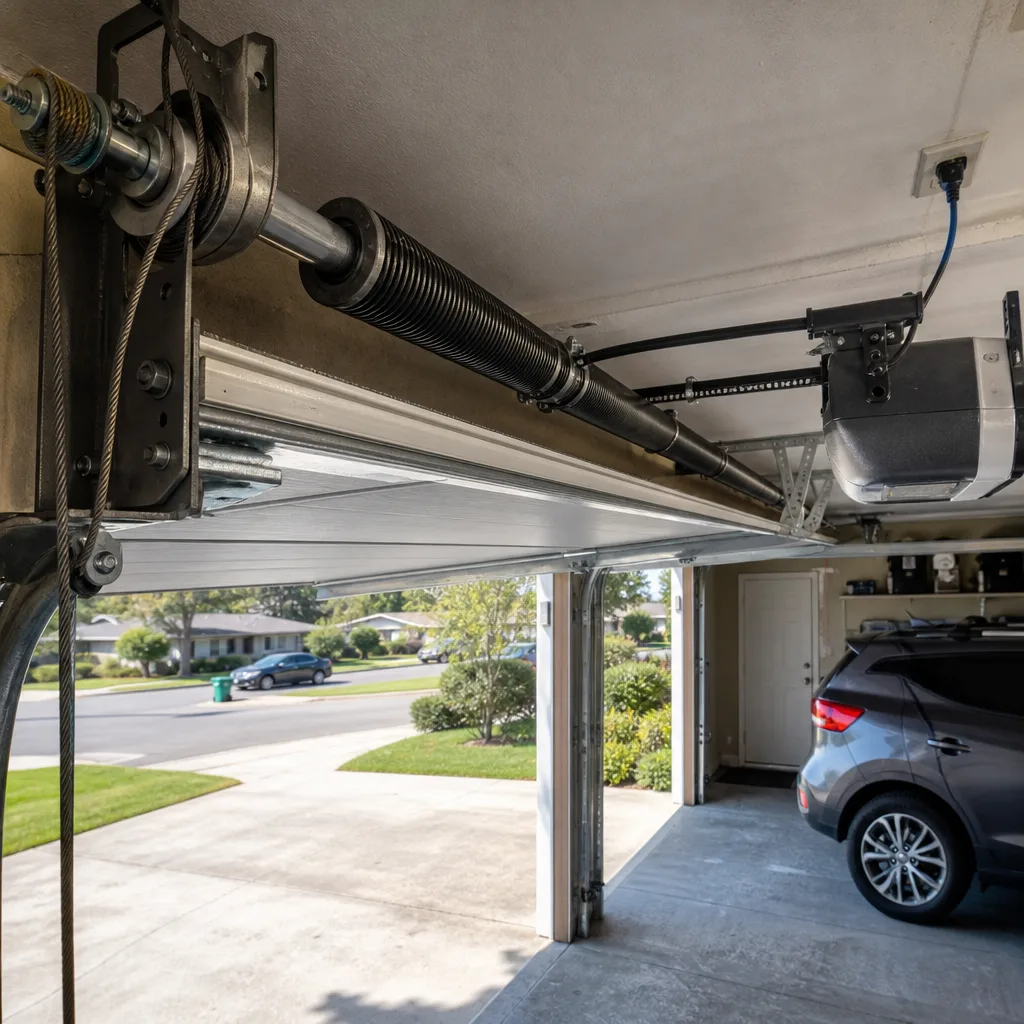 After
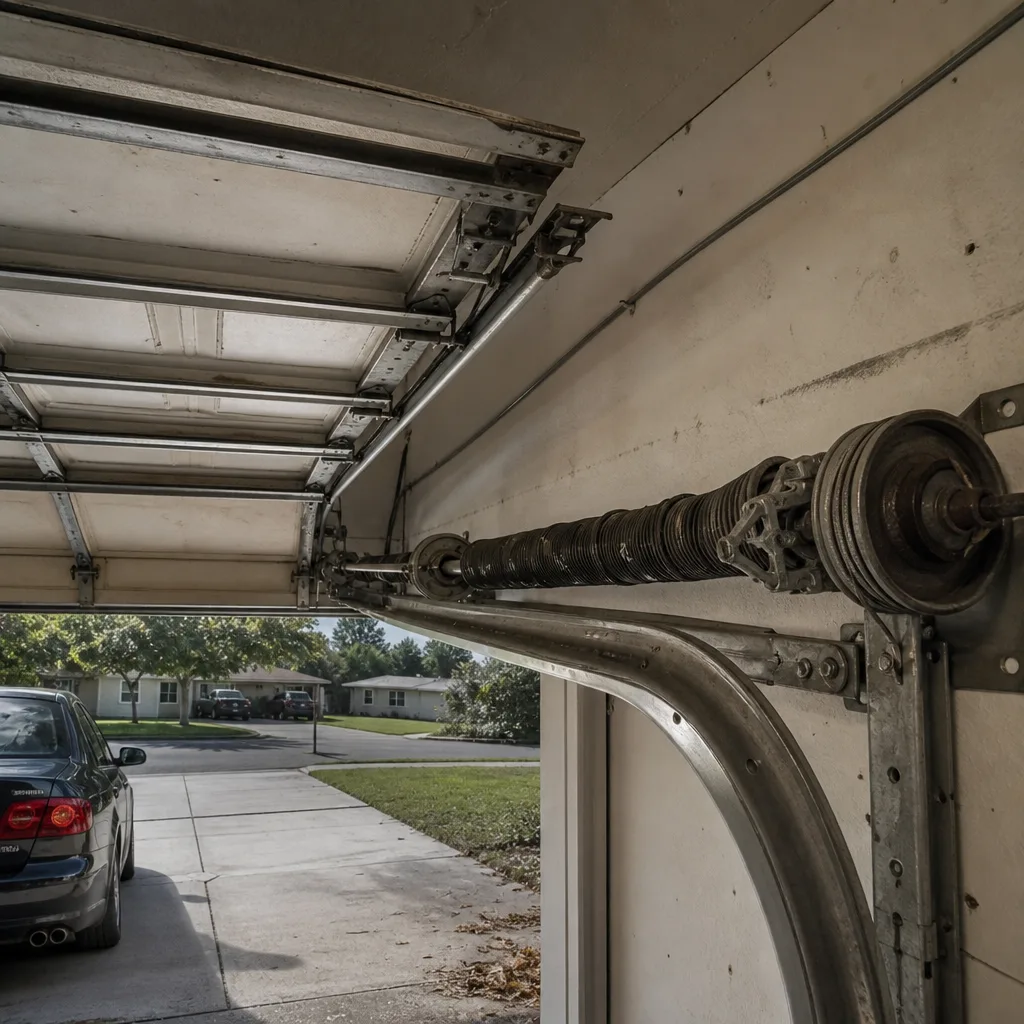 Before
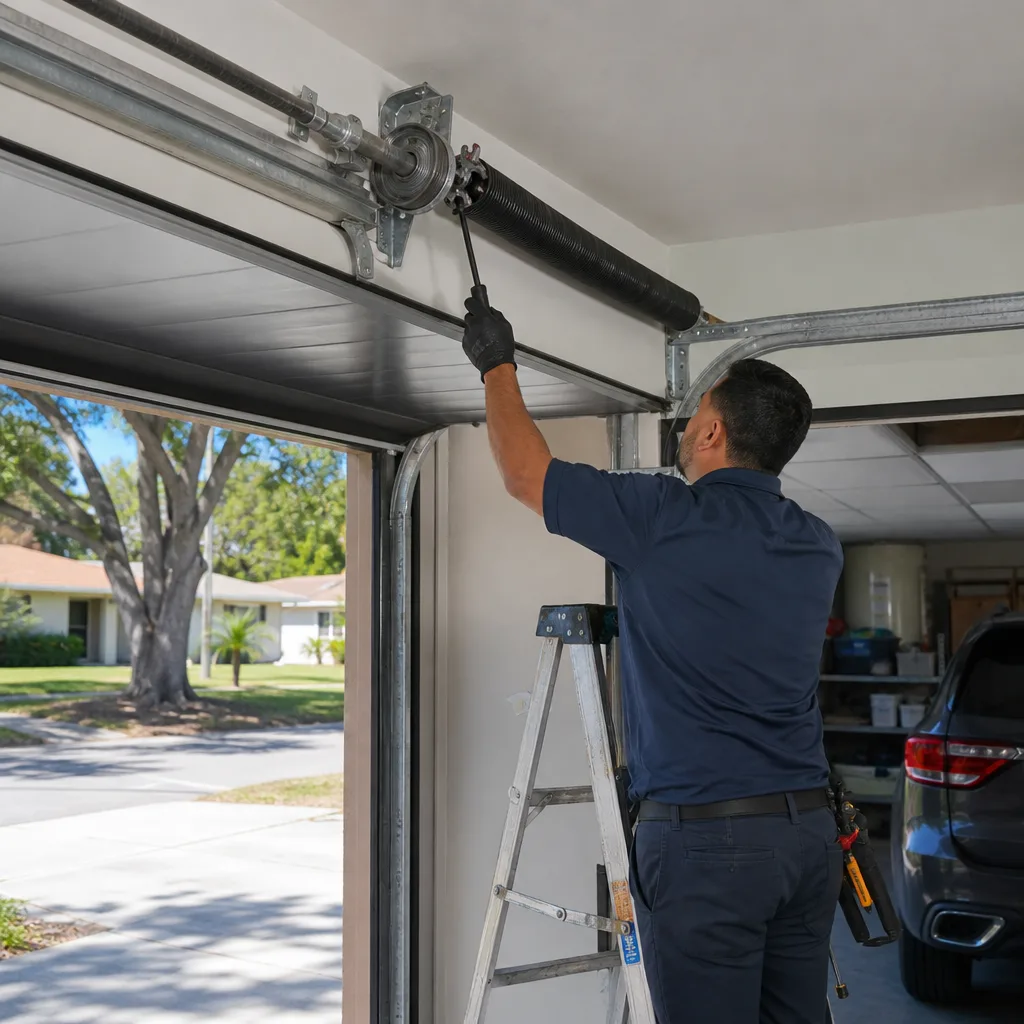 After
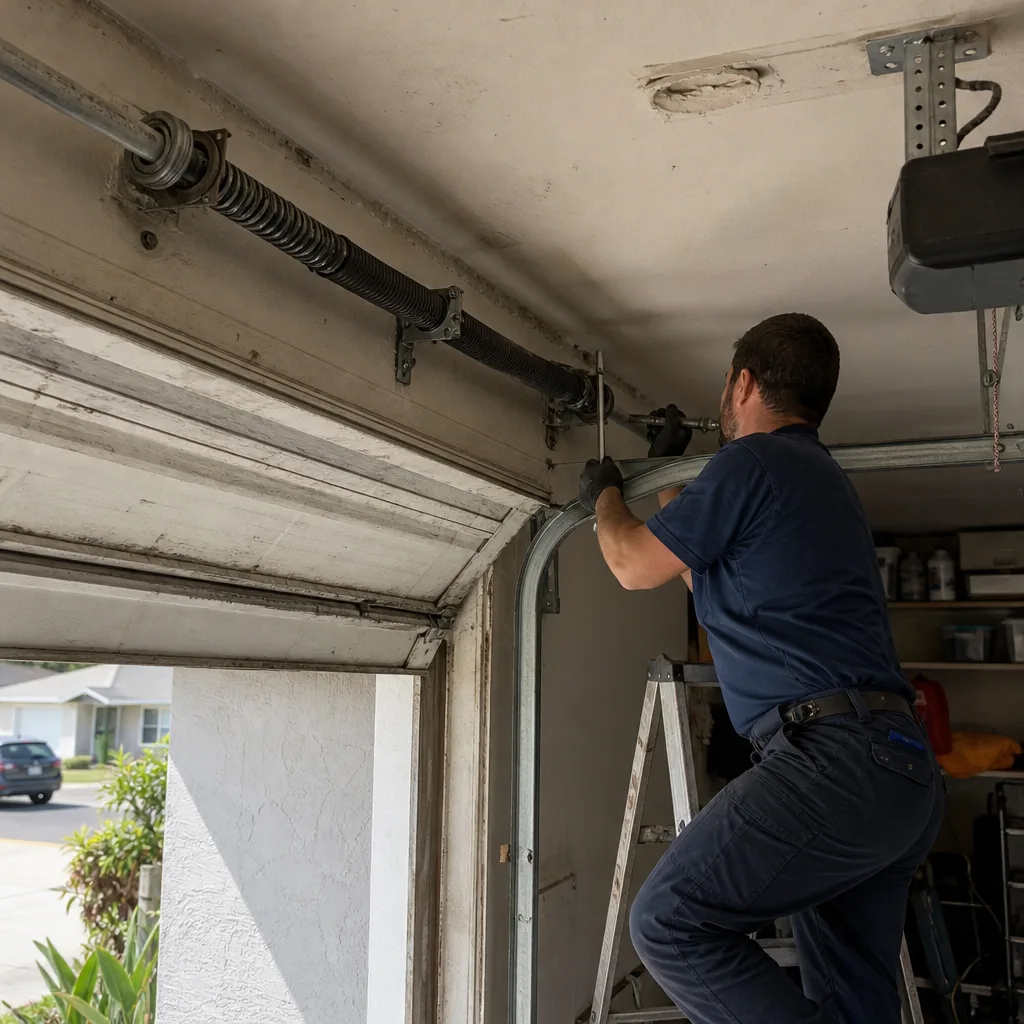 Before
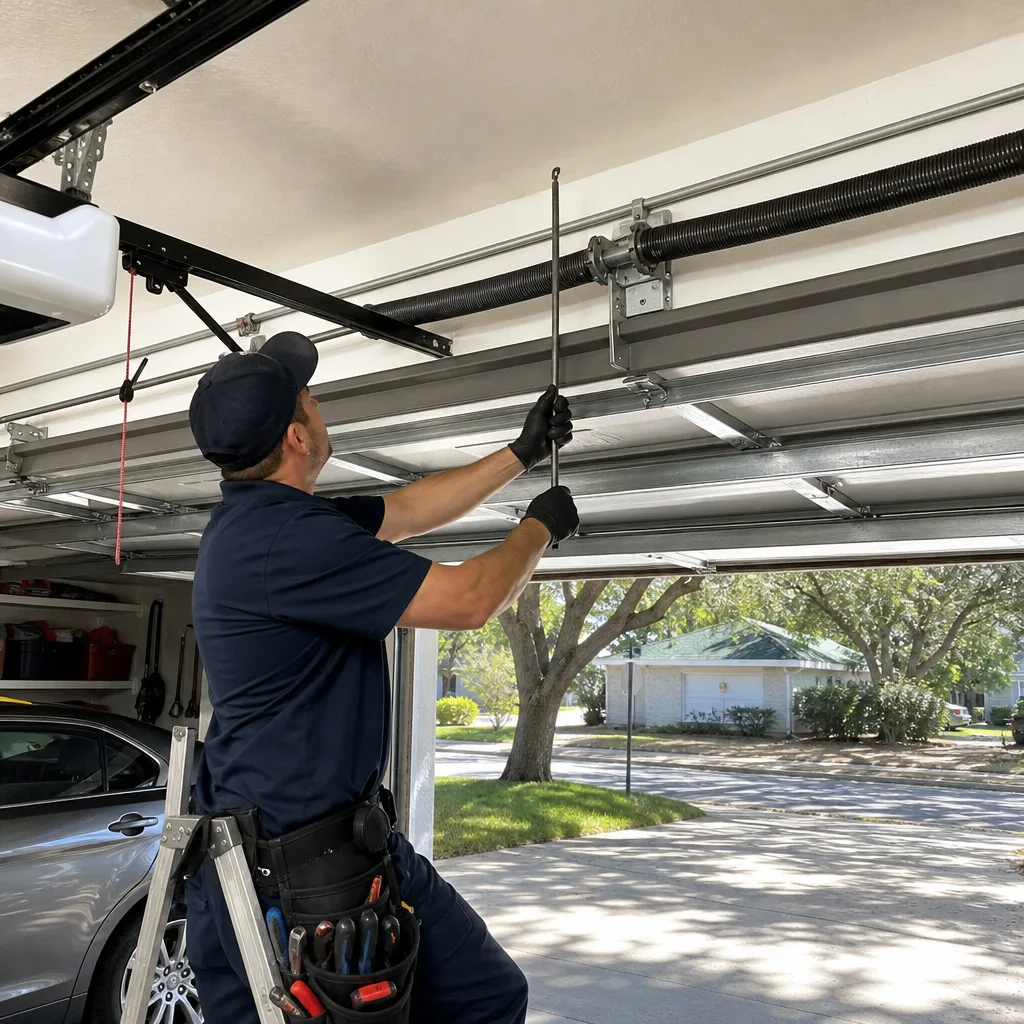 After