
Last updated October 30, 2026
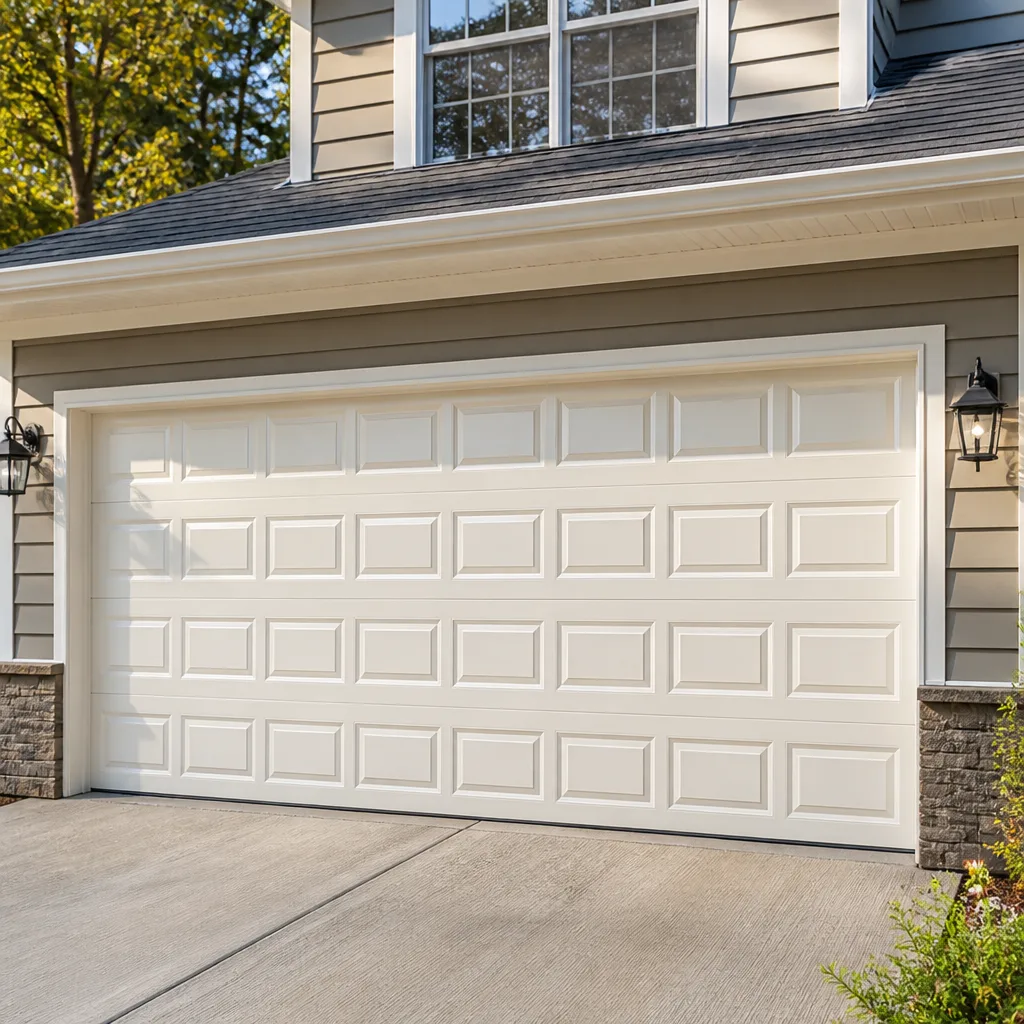 Raised-panel steel
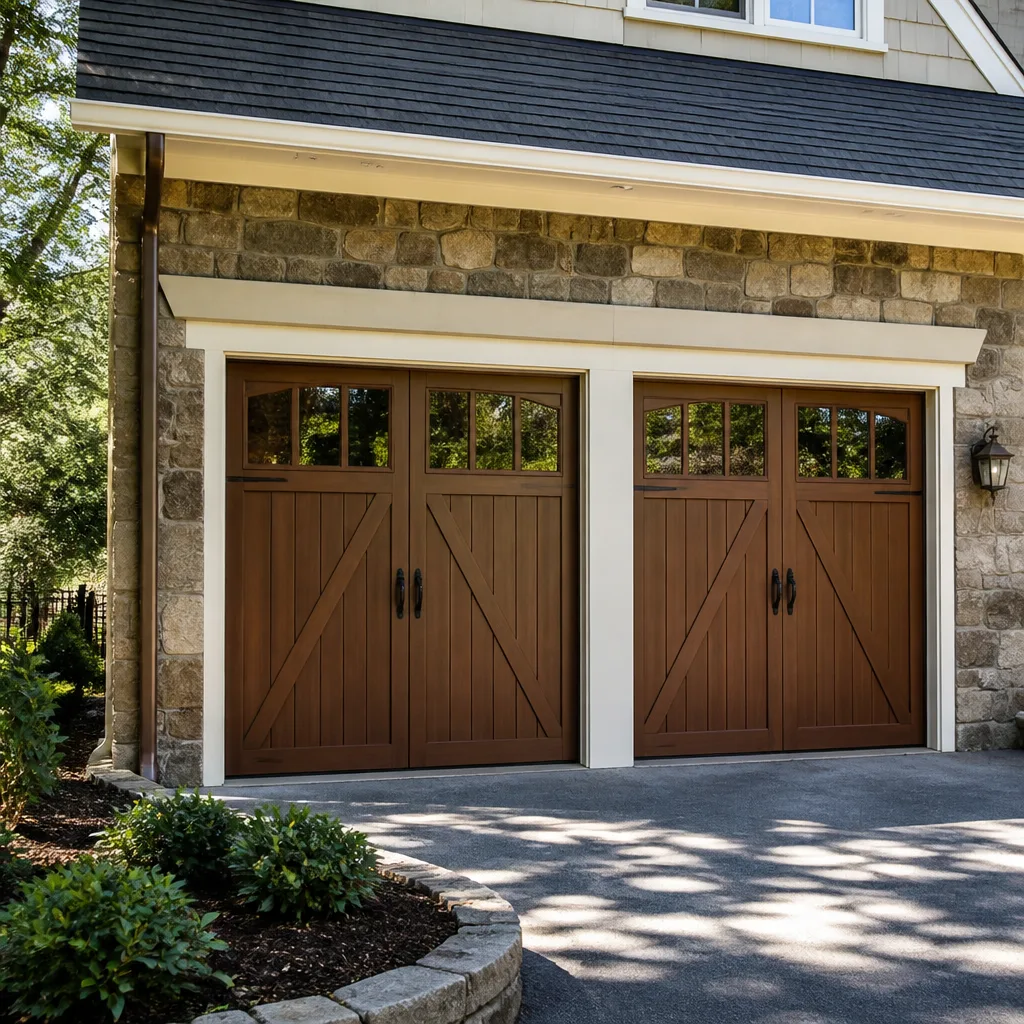 Carriage house
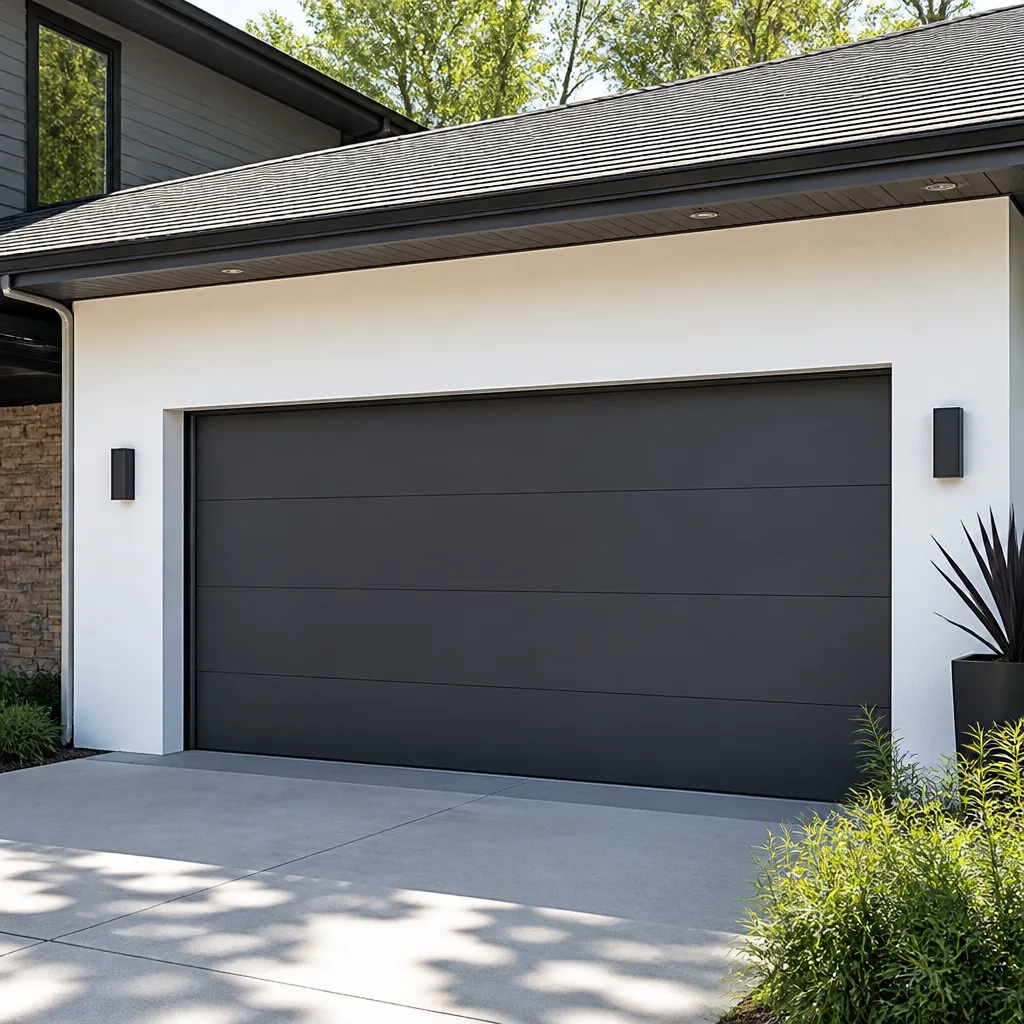 Modern flush
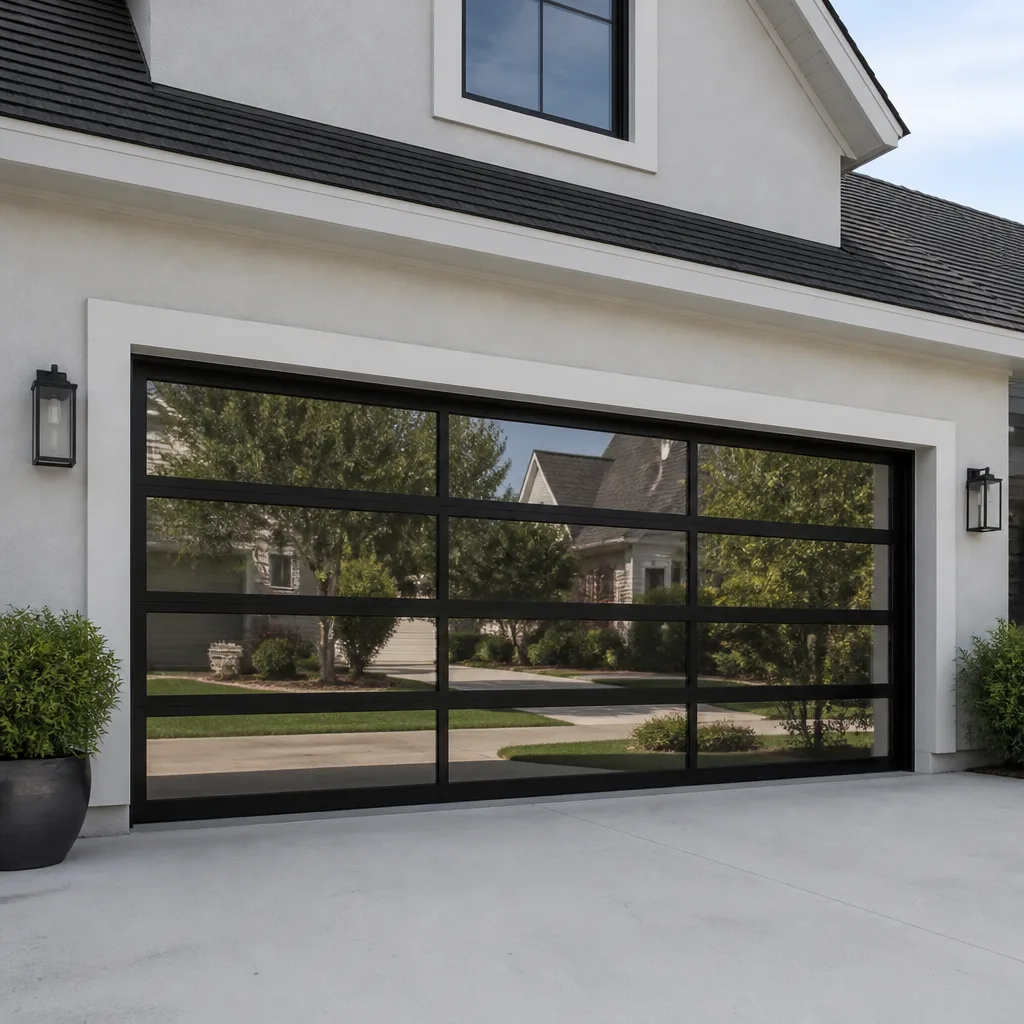 Full-view glass
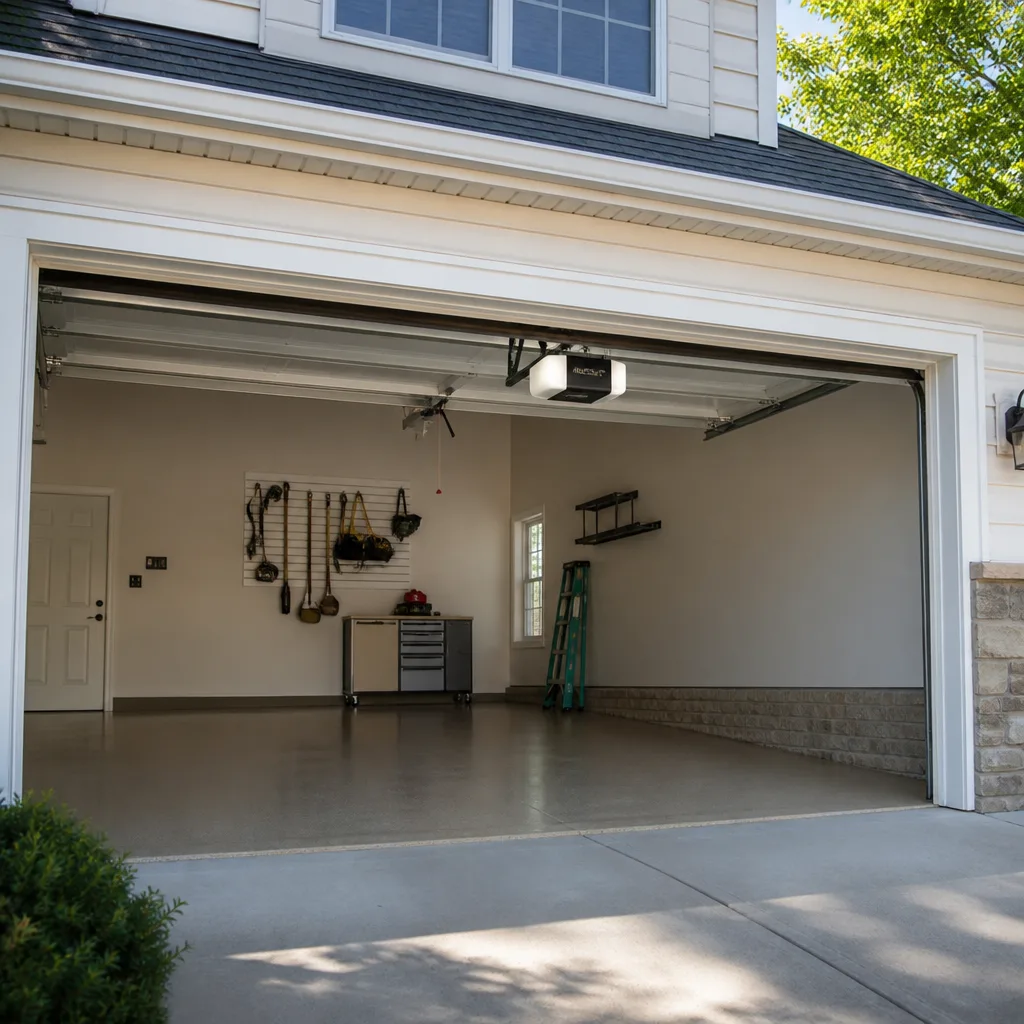 LiftMaster openers
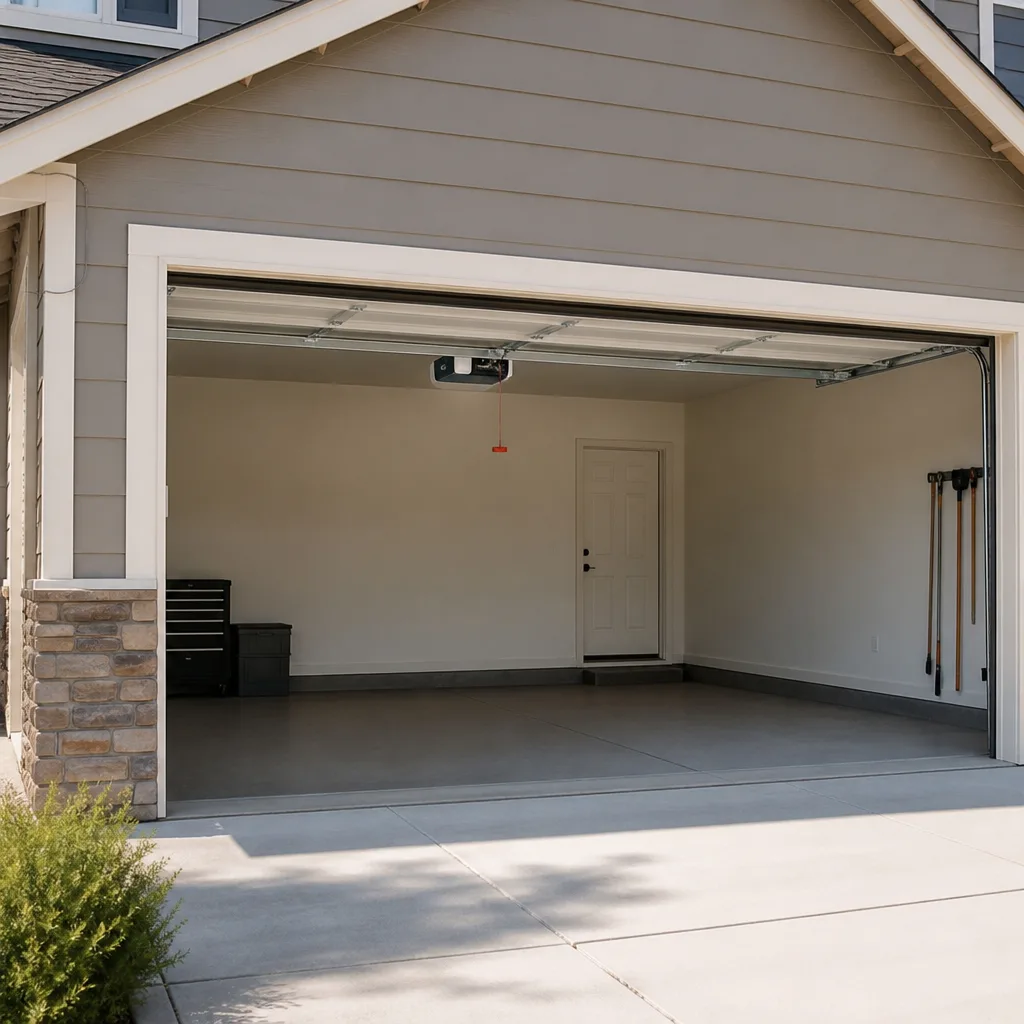 Chamberlain openers
Full 25-point door and opener safety check with every visit - springs, cables, rollers, tracks, and your LiftMaster or Chamberlain opener included
You get a price before we start. It does not change when the truck arrives.
Get your free estimateThe Complete Garage Door Repair Guide for St. Petersburg Homeowners
The average garage door in a coastal Florida zip code corrodes 30 to 40 percent faster than one in a dry inland climate. That’s not a guess; it’s what we see when we open panels in Shore Acres versus what technicians report from places like Phoenix or Columbus. Yet most Garage Door Repair guides you’ll find online were written for Arizona or Ohio homeowners. This guide is the opposite. We’re going to walk through how salt air and humidity actually attack your door, which repairs you can safely handle in Florida heat, and when a component has crossed the line from “fixable” to “replace it before it fails on a Tuesday morning.” You’ll leave with a clear framework for diagnosing your door, prioritizing repairs, and knowing exactly what to ask any technician who shows up at your St. Petersburg home.
Quick Answer
For a deeper look at local conditions, see The Complete Guide to Garage Door in St. Petersburg; garage door repair in St. Petersburg FL typically means addressing corrosion-accelerated spring, cable, or track wear caused by coastal humidity and salt air. Most residential garage door problems, including broken springs, frayed cables, and opener failures, can be diagnosed and repaired in a single visit by a technician who carries parts for your specific brand. The key is catching corrosion early; waiting until a spring snaps or a cable shreds turns a $200 repair into a $1,400 door replacement.
Styles & brands we work with
Table of Contents
- How Salt Air and Humidity Actually Damage Your Garage Door
- Repair vs. Replace: A Florida-Specific Decision Tree
- Brand-Specific Quirks for St. Petersburg’s Most Common Doors
- Which Repairs Are DIY-Safe in Florida Heat (and Which Aren’t)
- Seasonal Maintenance Windows Unique to the Gulf Coast
- What Garage Door Repair Costs in St. Petersburg
- Common Mistakes to Avoid
- When to Call a Professional
- Frequently Asked Questions
How Salt Air and Humidity Actually Damage Your Garage Door
The Gulf of Mexico sits roughly fifteen minutes from most St. Petersburg neighborhoods, and it never stops working on your garage door. Salt aerosol travels inland on prevailing westerly winds, settling on every metal surface including springs, cables, hinges, and tracks. Humidity then activates that salt, creating a mild but persistent saline solution that accelerates oxidation. In neighborhoods like Snell Isle or Venetian Isles, where homes sit closer to open water, we see spring failures in doors that are only four or five years old. The same spring in a dry inland climate might last eight to ten.
Here’s what gets hit hardest, in order of failure frequency:
- Torsion springs: Salt pitting creates microscopic stress points. Under tension, these pits propagate into full cracks. A spring that looks rusty on the outside may be structurally compromised on the inside.
- Lift cables: Galvanized cables resist salt for a while, but once the galvanization wears thin, individual strands corrode and snap. We regularly see cables in St. Petersburg that have lost a third of their strand count before the homeowner notices fraying.
- Track brackets and fasteners: The hardware holding your vertical and horizontal tracks corrodes from the outside in. This loosens tolerances, which causes rollers to bind, which adds load to the opener motor.
- Bottom seal and weatherstripping: UV exposure plus salt air degrades rubber seals faster here than almost anywhere else in the country. A cracked bottom seal allows salt-laden air into the garage, accelerating corrosion on everything else.
- Opener circuit boards: Humidity, not direct water, is the killer. Condensation forms on control boards during seasonal temperature swings, and repeated condensation cycles eventually short out capacitors.
After any major storm season in Pinellas County, we recommend a specific inspection sequence. Check the bottom seal first; it’s the cheapest thing to replace and it protects everything behind it. Then inspect cables for fraying near the bottom bracket. Then look at spring coils for rust bloom. Then open and close the door manually and listen for grinding in the rollers. This order catches the most expensive failures before they happen.
Repair vs. Replace: A Florida-Specific Decision Tree
National averages say a garage door lasts fifteen to twenty years, but in coastal St. Petersburg, the effective service life of an entry-level steel door is closer to ten or twelve before rust compromises the panel joints. The decision to repair or replace should follow a different logic here than it would in Des Moines or Denver. Here’s the framework we use when advising homeowners:
- Assess panel condition first. In Florida, panel rust at the bottom edges spreads upward. If you have rust-through holes in more than two panels, or if the bottom panel is structurally soft, replacement is often cheaper than patching because replacement panels for older models are frequently discontinued.
- Check the spring age and condition. If your door has original springs that are more than seven years old and you’re facing any other repair, replace the springs at the same time. You avoid a second service call and the labor cost overlaps. In St. Petersburg’s climate, this is standard practice, not upsell.
- Evaluate the opener separately. A door with a dead opener does not need a new door. We replace openers on perfectly healthy doors all the time. If the door panels are sound and the tracks are straight, a new opener is a $350 to $600 fix, not a $1,500 replacement.
- Consider the long-term plan. If you expect to stay in the home more than five years, replacing a twelve-year-old corroded door with a new insulated model often pays back in comfort and reduced maintenance. If you’re selling soon, targeted repair keeps the inspection clean without spending cash you won’t recover.
Here’s the decision tree in a single table, calibrated for Pinellas County conditions:
- Broken spring, door panels clean: Repair. Replace the spring pair.
- Springs fine, bottom panel rusted through: Repair is questionable. Check for panel availability; if unavailable, replace.
- Cables frayed, tracks okay: Repair. Replace cables and rebalance the door.
- Opener dead, door healthy: Replace opener only.
- Door ten-plus years old, multiple components worn: Run the numbers on full replacement before throwing money into piecemeal repairs.
One thing we tell every St. Petersburg homeowner: do not base your decision on a national lifespan chart. Salt air compresses every timeline. A door that would last five more years in Ohio is on borrowed time here.
Brand-Specific Quirks for St. Petersburg’s Most Common Doors
We work on eight major brands every week: LiftMaster, Chamberlain, Genie, Clopay, Amarr, Wayne Dalton, Craftsman, and Raynor. Each has quirks, and in a salt-air environment, some quirks become real problems. Here are the ones that matter most for homeowners in the St. Petersburg area.
LiftMaster and Chamberlain Openers
LiftMaster and Chamberlain share the same parent company and much of the same internal engineering. In coastal humidity, their logic boards are generally well-sealed, which is good. The weak point is the gear-and-sprocket assembly inside older chain-drive models; humidity accelerates the plastic gear wear, and you’ll hear a grinding noise with the door barely moving. The fix is a gear replacement, not an opener replacement, and it’s an in-house repair for us. If your Chamberlain opener is more than ten years old and the gear has failed once, replacement often makes better financial sense than a second rebuild.
Genie Openers
Genie units have a direct-drive screw system in many models, and that screw thread needs lubrication more frequently in St. Petersburg than anywhere inland. The salt air dries out the grease and the screw develops a chattering sound. Ten minutes with the right grease fixes it, but if you ignore the chatter, you’ll score the screw and then the whole rail needs replacement. We see this pattern regularly in homes across Disston Heights and Lakewood Estates.
Raynor and Wayne Dalton Doors
Raynor and Wayne Dalton both use a torquemaster internal spring tube system in many residential models. This design keeps the spring enclosed and protected from salt air, which sounds great in theory. In practice, when the spring inside the tube fails, the entire tube needs to be replaced, and parts for older Wayne Dalton models are sometimes less available than standard torsion springs. We carry common torquemaster replacement parts on our trucks, but if you have a very old Wayne Dalton door, planning a conversion to a standard torsion system is worth considering before you have a failure.
The point here is not that one brand is better than another. The point is that a technician who knows your brand can diagnose faster and carry the right parts the first time. Your opener has a diagnosis, not just a symptom.
Which Repairs Are DIY-Safe in Florida Heat (and Which Aren’t)
Florida heat changes the DIY calculus. A garage that hits 110 degrees in August makes any repair more physically demanding, and heat exhaustion impairs judgment. But the more important factor is which components are genuinely dangerous. We’re direct about this because a real expert flags the danger.
Genuinely DIY-Safe Repairs
- Replacing the bottom seal: This is a twenty-minute job with a screwdriver and a utility knife. In St. Petersburg, you’ll do it every two to three years instead of every four to five because UV and salt air break down the rubber faster.
- Lubricating rollers and hinges: Use a white lithium grease or a dedicated garage door lubricant. Do not use WD-40; it’s a solvent, not a lubricant, and it strips the protective coating from metal parts.
- Tightening loose track bolts: Check the bolts where the track brackets meet the wall and where the horizontal track meets the vertical. Use a socket wrench, not an impact driver, to avoid overtightening.
- Cleaning the photo-eye sensors: A soft cloth and a glass cleaner solve most intermittent opener reversal problems. Salt film builds up on the sensor lenses and reduces their effective range.
Not DIY-Safe. Ever.
Torsion springs are under hundreds of pounds of tension. A spring that lets go while you’re working on it can break bones, cause permanent nerve damage, or worse. This is not a scare tactic; it’s the reality of the hardware. The same applies to lift cables, which carry the full door weight when the spring is compromised. If you see a frayed cable or a broken spring, close the door as best you can and call someone who does this daily. In St. Petersburg, the salt air means these components fail more often, which means more homeowners are tempted to watch a video and attempt a fix. Don’t. The risk-to-reward ratio is the worst of any home repair.
Seasonal Maintenance Windows Unique to the Gulf Coast
Most national guides tell you to lubricate your garage door twice a year. That’s fine for Indianapolis. In St. Petersburg, the calendar works differently, and timing your maintenance to the climate pattern saves you money and prevents failures.
Late October to early November: This is the most important maintenance window of the year. After the summer storm season and before the winter dry stretch, we do a full inspection: springs, cables, rollers, tracks, opener force settings, and bottom seal. The salt that accumulated during summer humidity gets cleaned off before the dry winter air bakes it onto the metal.
Late March to early April: A lighter maintenance pass before the rainy season. Focus on the bottom seal and any rubber components that hardened over the winter. This is also when we see opener circuit boards starting to act up from condensation cycles, so a quick opener diagnostic here can catch a failure before it happens in July.
After any named storm: Even if the door looks fine, check the bottom seal and the track alignment. Storm surge and strong winds push salt water and debris into places that normally stay dry. A week after the storm is a good time to inspect rather than the day after, when everything is still wet and problems hide.
If you only do one maintenance pass per year, make it the late October one. That’s the window that sets up the drier winter months, which is when most spring snap failures actually happen in St. Petersburg because the metal cools and contracts around existing salt pitting.
What Garage Door Repair Costs in St. Petersburg
Garage door repair prices in St. Petersburg FL run slightly higher than the national average because of the corrosion factor: technicians spend more time on diagnosis, and parts fail earlier, so more components get replaced. Here are the line-item ranges we see across Pinellas County, from Pass-a-Grille to Gateway:
- Spring replacement (pair): $180 to $340, depending on door weight and spring cycle rating. We always recommend replacing both springs at once; the old one is fatigued even if it has not snapped.
- Cable replacement (both sides): $120 to $200, including rebalancing.
- Roller replacement (all rollers): $95 to $150 for standard nylon rollers; premium sealed-bearing rollers run higher.
- Track realignment or minor track repair: $95 to $175, depending on how badly the brackets have pulled away from the wall.
- Bottom seal replacement: $60 to $110, including material.
- Opener gear or logic board repair: $120 to $300, depending on the opener brand and part availability.
- Full opener replacement: $350 to $600 for a standard chain-drive or belt-drive unit, installed.
- Service call and diagnostic: $59 to $95, often waived if you approve the repair on the same visit.
Every price we quote is given and agreed before any work starts. You will not get a surprise invoice higher than the quote. If the technician finds an additional problem mid-repair, the new price gets discussed before a single extra part comes off the truck. That’s how it should work, and it’s how we operate at Garage Door Repair in St. Petersburg.
Common Mistakes to Avoid
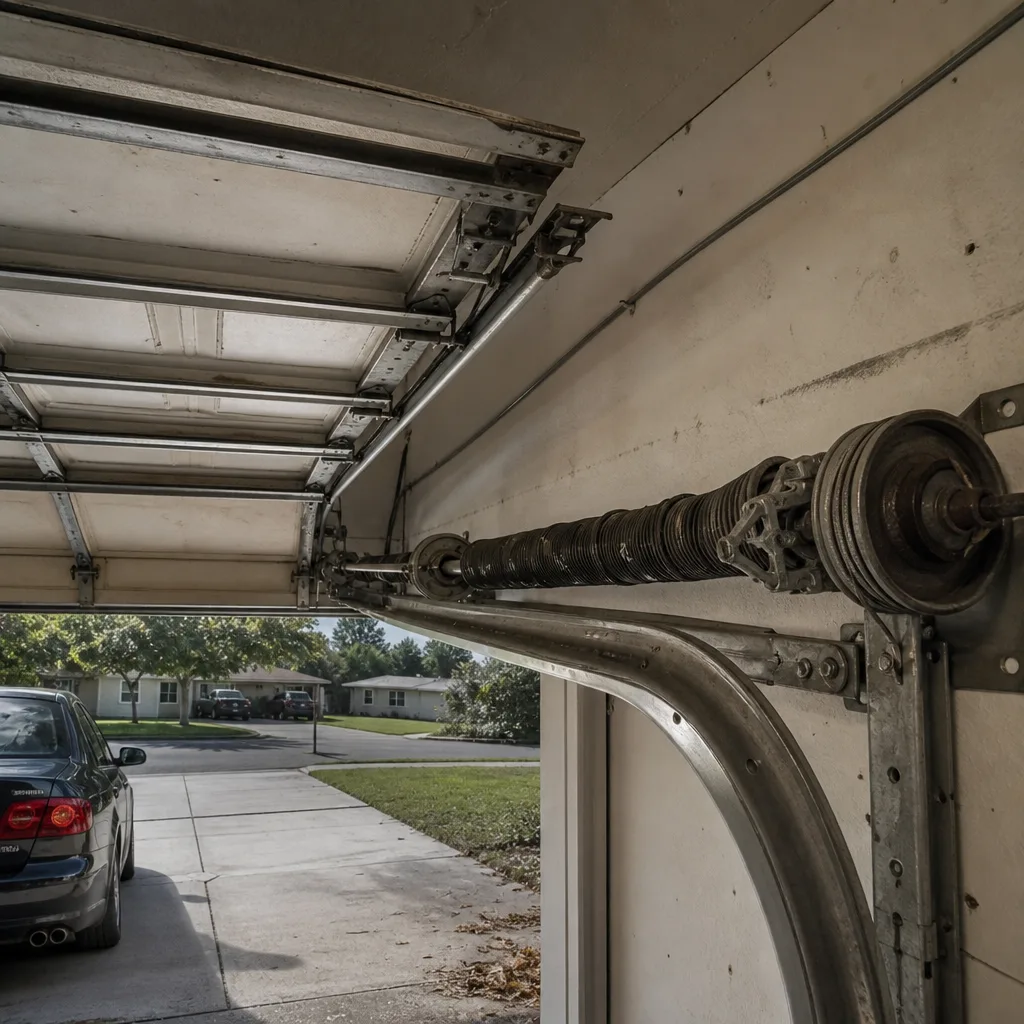
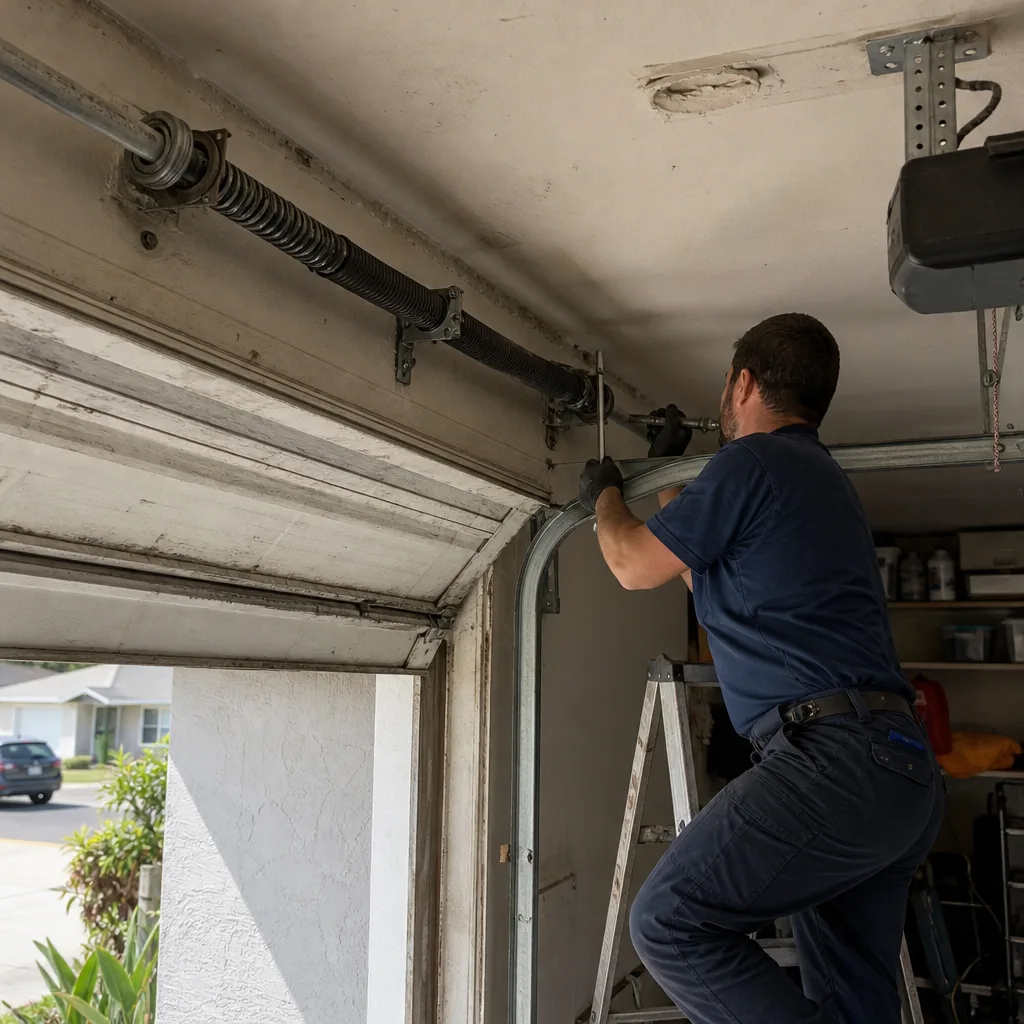
- Ignoring a rust-colored streak on the ceiling above the spring. That’s powdered rust falling from a fatigued spring. It’s the earliest visible warning of a pending snap, and it’s almost always ignored until the spring breaks at 6:40 a.m.
- Spraying WD-40 on everything. WD-40 is a solvent, not a lubricant. It strips the protective grease from rollers and hinges, and in St. Petersburg’s salt air, stripped metal corrodes within weeks.
- Using a national lifespan chart to decide on replacement. A door that’s fine in a dry climate at year twelve may be structurally compromised in St. Petersburg by year ten. Local conditions override national averages.
- Replacing the opener when the door itself is the problem. If the opener motor runs but the door barely moves, you may have a broken spring or destroyed gear. Replacing the opener won’t fix a door that weighs 150 pounds too much to lift.
- Waiting until the bottom seal is visibly shredded before replacing it. A hairline crack in the seal is enough to let salt-laden air into the garage, which accelerates corrosion on everything behind it. Replace the seal at the first sign of cracking.
- Attempting a spring replacement from a generic video. The video doesn’t know your door weight, your spring wire diameter, or your track condition. And the stakes, as covered above, are severe.
When to Call a Professional
Call a professional the moment you see a broken spring, a frayed cable, or a door that suddenly feels heavier than it did last week. These are not gradual problems; they are failures in progress, and the worst case is a door that drops in its tracks. A door that’s stuck half-open is also a security problem; a half-open garage is an invitation. If your opener runs but the door does not move, or if the door reverses for no reason, the photo-eyes may be dirty, but it could also be a logic board doing heat-related faults. St. Petersburg Garage Door Repair offers free estimates in St. Petersburg, and we carry parts for the eight brands we service: LiftMaster, Chamberlain, Genie, Clopay, Amarr, Wayne Dalton, Craftsman, and Raynor. For more guides & resources, visit our blog. Call (855) 473-1420 and we’ll diagnose it right, the first visit, without guessing.
Frequently Asked Questions
Spring replacement in St. Petersburg FL typically costs $180 to $340 for a pair, including installation. Coastal corrosion means springs fail earlier here than inland, so we recommend replacing both springs at once even if only one snapped, to avoid a second service call six months later. Call (855) 473-1420 for an exact quote; estimates are free.
Yes, in most cases we can repair your garage door the same day you call, because our trucks carry replacement parts for all eight major brands we service. The exception is when a door panel needs to be ordered from the manufacturer, which can take a few days depending on the model. Call (855) 473-1420 and we’ll tell you honestly whether it’s a same-day fix or a parts-order situation.
Yes. Salt aerosol from the Gulf of Mexico settles on metal surfaces throughout St. Petersburg, and combined with Florida humidity, it creates a mild saline solution that accelerates oxidation. Springs, cables, and track brackets corrode 30 to 40 percent faster on average than in dry inland climates. This is why we recommend an annual corrosion inspection in late October, before the winter dry stretch.
Start with the panel condition. If the door panels are structurally sound without rust-through, targeted repair is almost always the right call. If the bottom panel is rusted through or the door is more than twelve years old with multiple worn components, run the numbers on full replacement rather than piecemeal repairs. We’ll give you an honest assessment either way; our interest is in the right fix, not the bigger invoice.
If your opener is under ten years old, repairing the gear, logic board, or drive system usually makes sense and costs less than $300. If it’s older, has failed once before, or is a chain-drive model grinding through its second gear set, replacement is often the better long-term investment at $350 to $600 installed. We repair and replace openers from LiftMaster, Chamberlain, Genie, Craftsman, and Raynor in-house.
Bottom seal replacement, roller lubrication, photo-eye cleaning, and track bolt tightening are genuinely DIY-safe for most Florida homeowners. Broken springs and frayed cables are not; they are under extreme tension and can cause severe injury. If you see either condition, stop using the door and call (855) 473-1420. We’ll get it repaired quickly and safely.
The Bottom Line
Garage doors in St. Petersburg wear out faster than national averages, and the culprit is the Gulf of Mexico, not bad luck or cheap parts. Salt air accelerates corrosion on springs, cables, and tracks; humidity shortens opener electronics; and the summer storm season adds stress to every component. The best defense is simple: a late-October corrosion inspection, immediate attention to rust streaks or fraying, and a technician who knows your brand and carries the parts before they arrive. Whether you need Garage Door Opener Repair in St. Petersburg or a full Garage Door Installation in St. Petersburg, learn to read the early warning signs and you’ll never face a stuck door on a Monday morning. For help, questions, or a free estimate, call St. Petersburg Garage Door Repair home at (855) 473-1420.
Written by the team at St. Petersburg Garage Door Repair, serving St. Petersburg since 2011.
See the difference
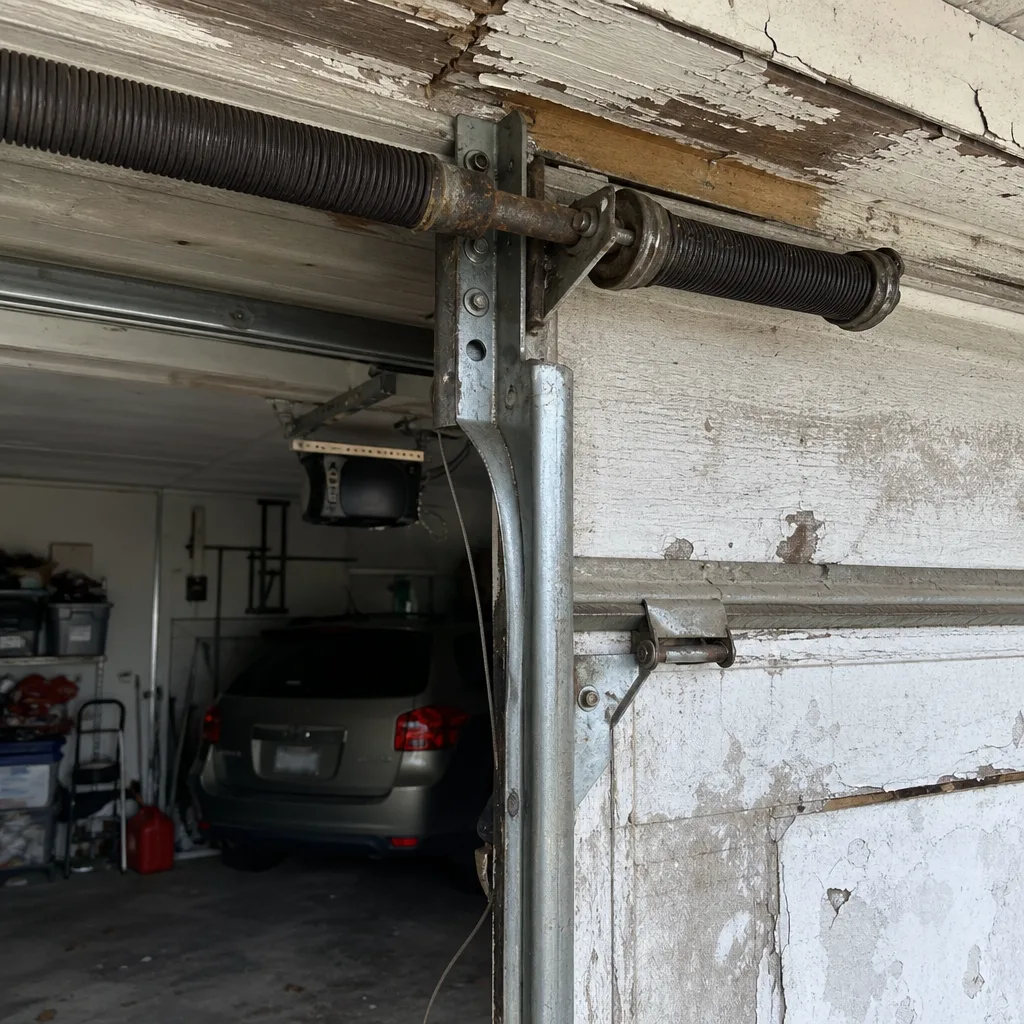 Before
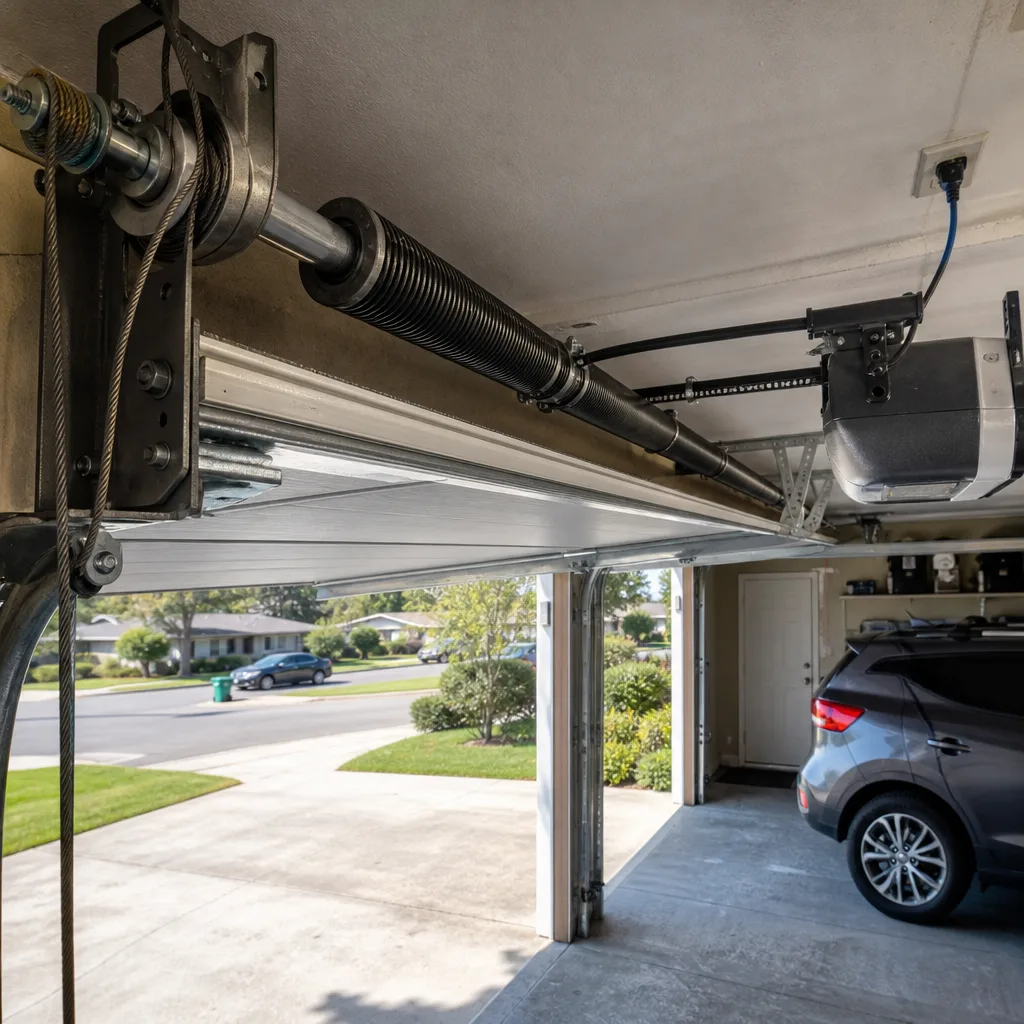 After
 Before
 After
 Before
 After