
Last updated October 30, 2026
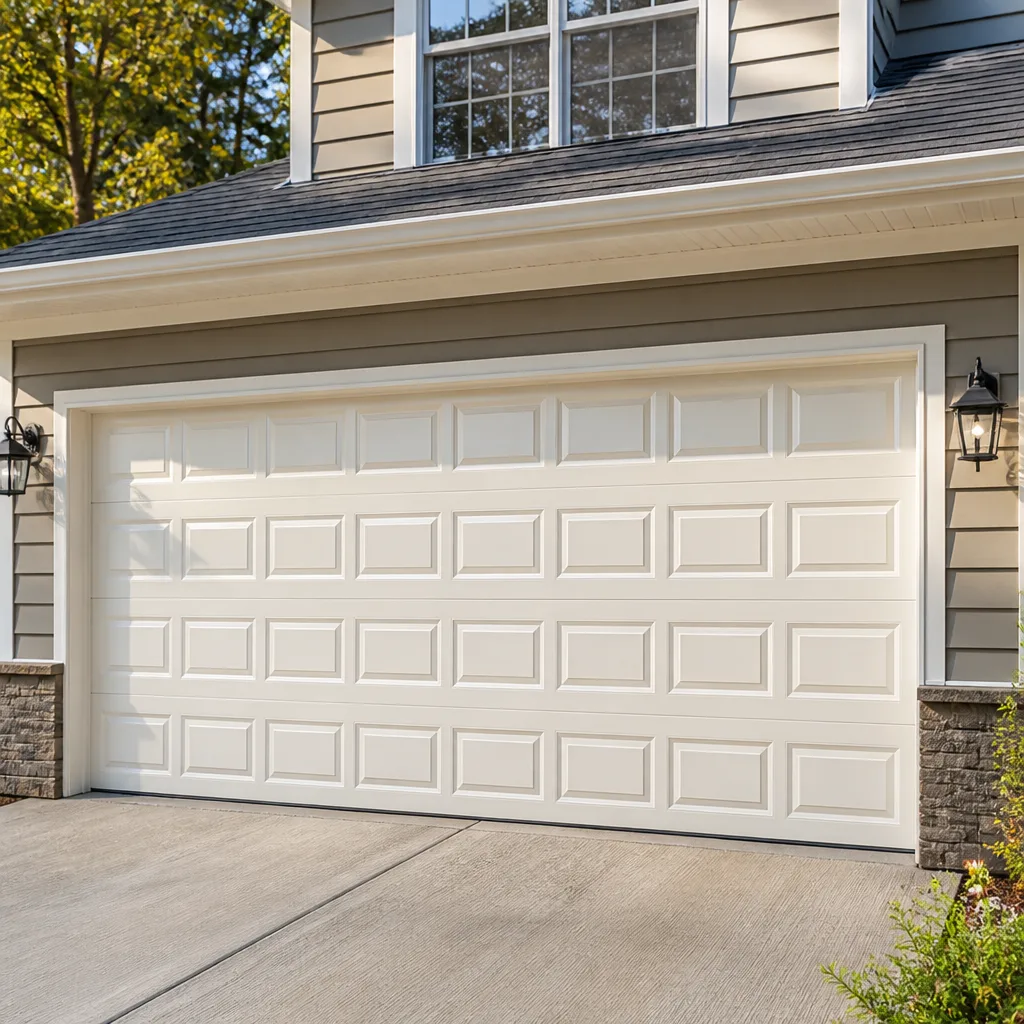 Raised-panel steel
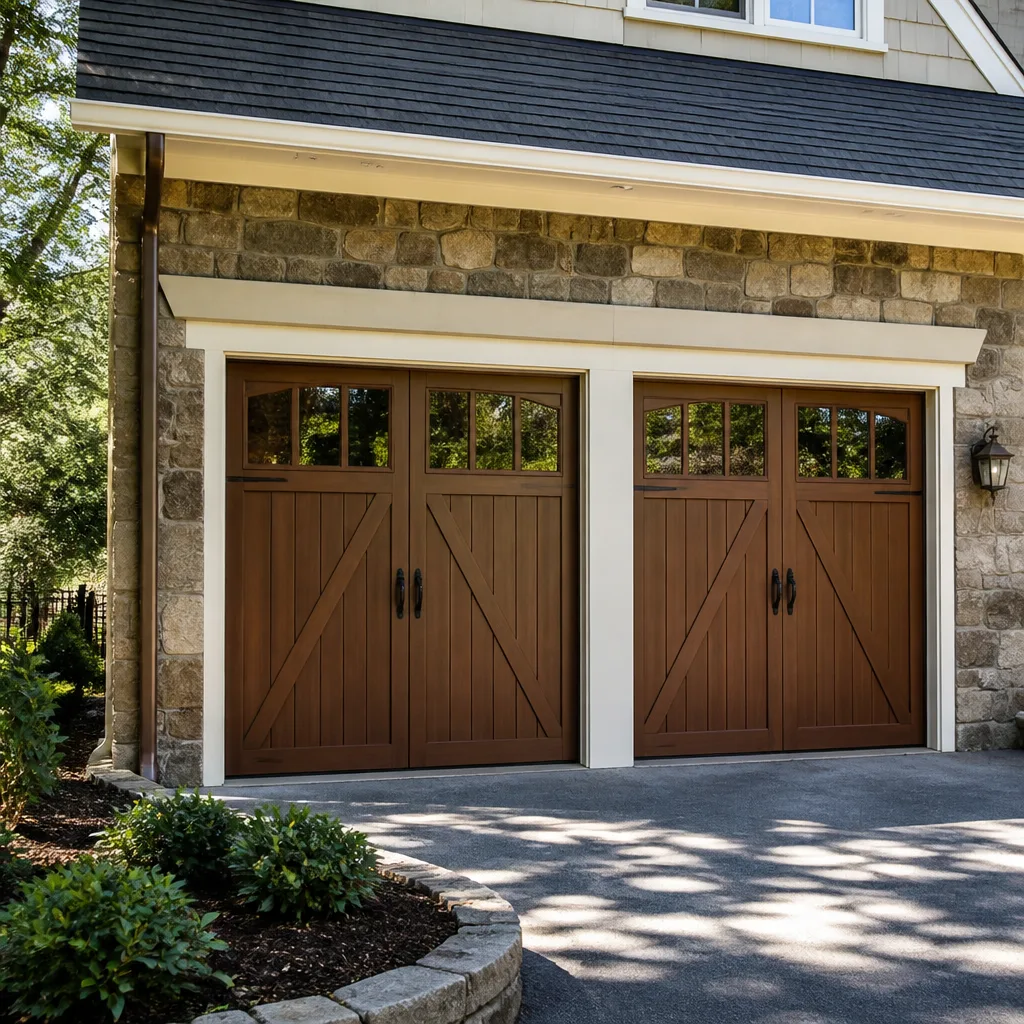 Carriage house
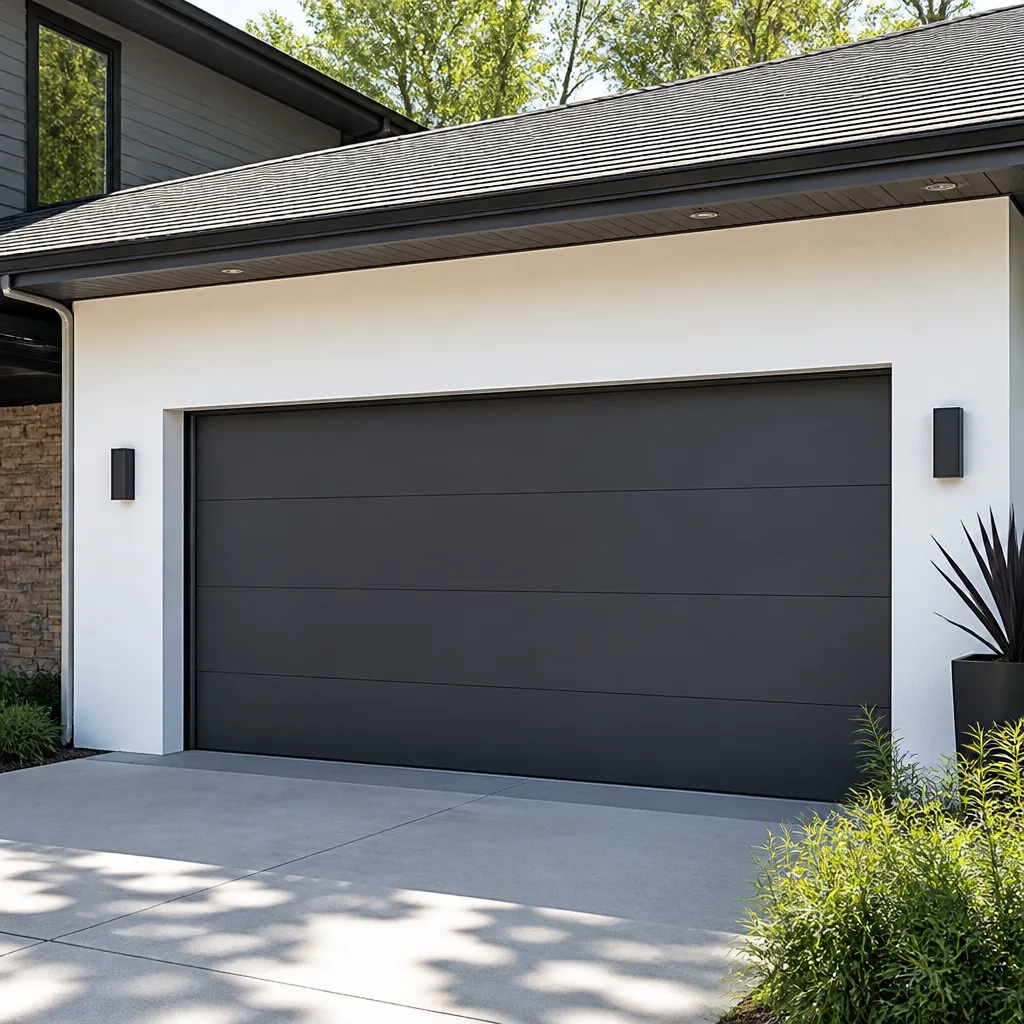 Modern flush
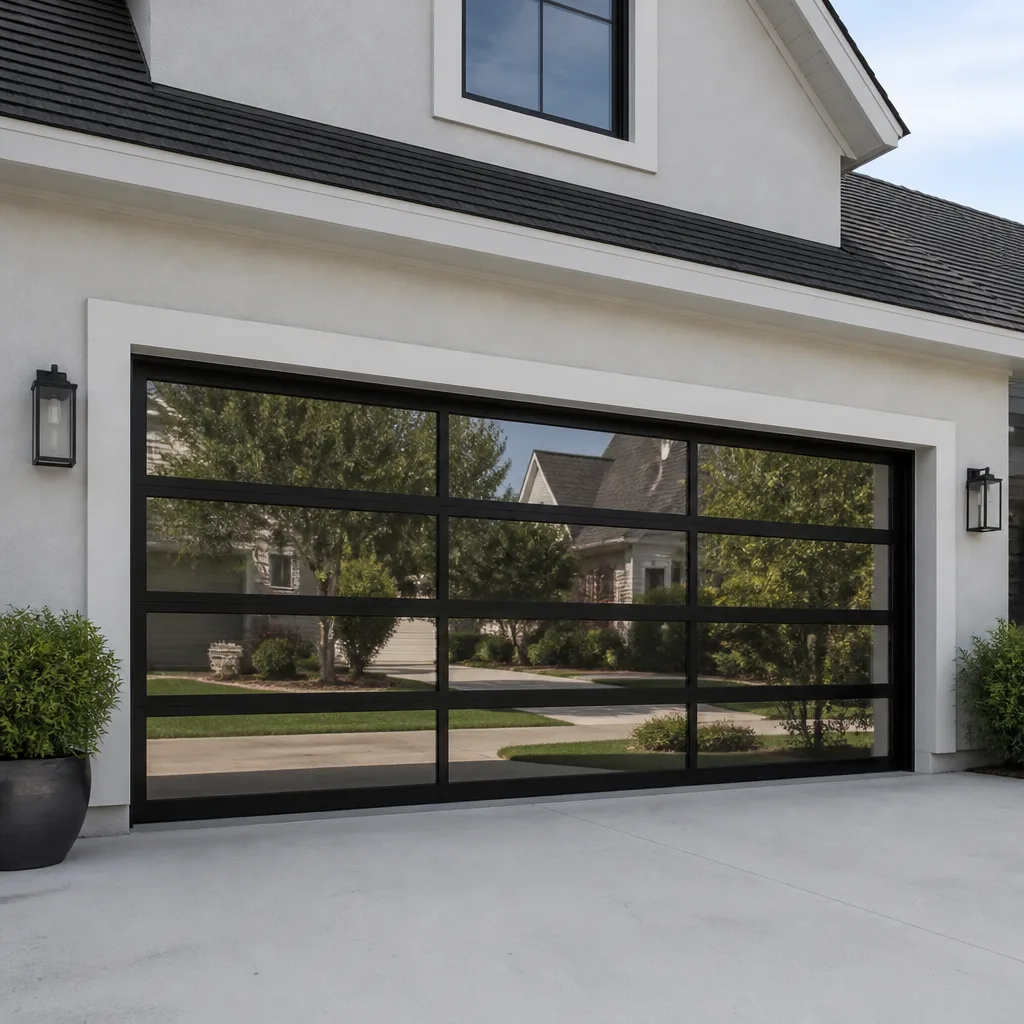 Full-view glass
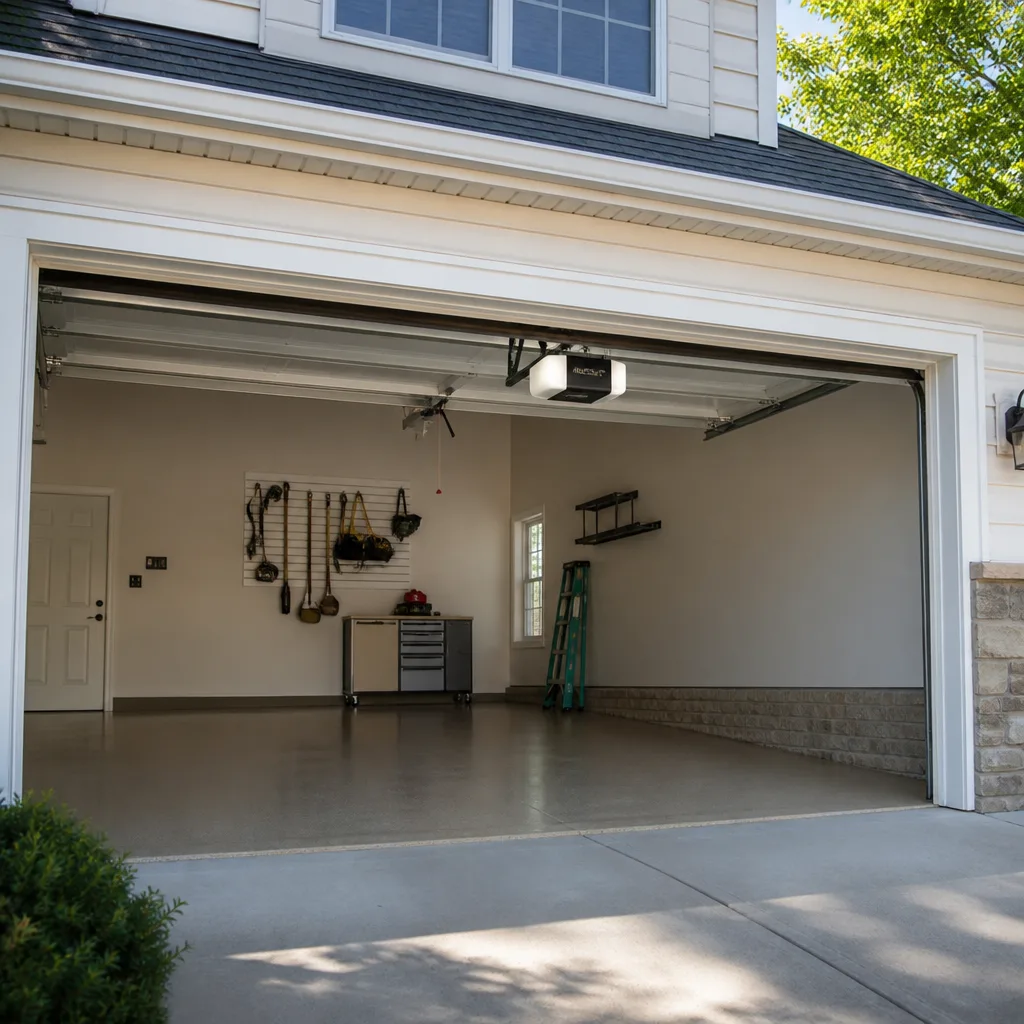 LiftMaster openers
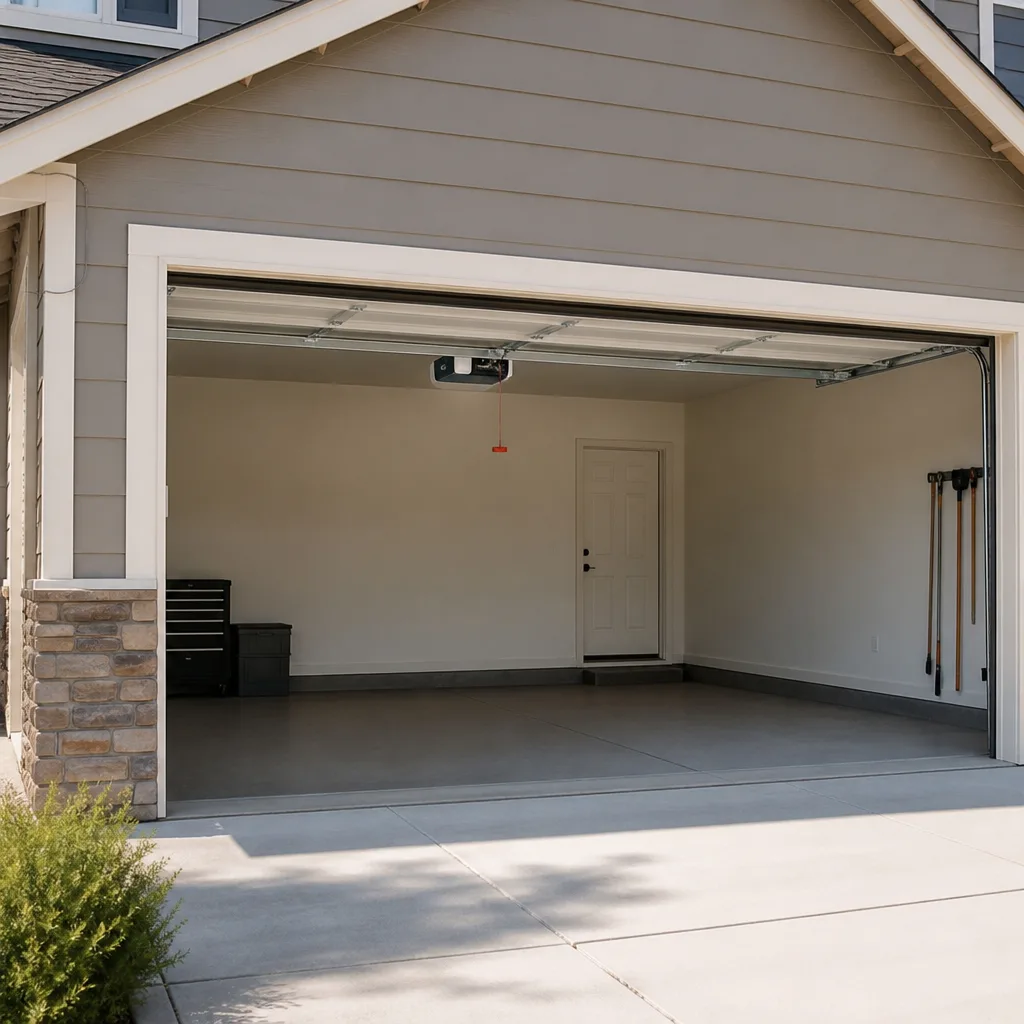 Chamberlain openers
Full 25-point door and opener safety check with every visit - springs, cables, rollers, tracks, and your LiftMaster or Chamberlain opener included
You get a price before we start. It does not change when the truck arrives.
Get your free estimateHow to Hire a Garage Door Contractor in St. Petersburg: A Step-by-Step Guide
After any significant storm hits Pinellas County, the number of garage door companies operating in St. Petersburg temporarily doubles. Many have no Florida contractor license, no local parts supply, and no accountability after they cash your check. A garage door that won’t open isn’t just an annoyance. It’s how you get to work. It protects thousands of dollars in tools and vehicles. This guide walks you through exactly how to vet a contractor before you sign anything, with specific checks that take five minutes and filter out the out-of-state chasers who vanish after the first bad review. For more guides & resources, see our blog. You’ll learn what license to verify, which questions make a technician squirm, and what a legitimate quote actually looks like in this market.
Styles & brands we work with
Quick Answer
To hire a garage door contractor in St. Petersburg, verify their Florida contractor license through the DBPR database, confirm they have a physical local address, ask about brand-specific training on your door and opener, and get an itemized written quote before any work starts. Red flags include out-of-state plates, pressure to decide same-day, and quotes that lump parts and labor into one vague number. A legitimate contractor answers direct questions about warranty, parts sourcing, and liability without hesitation.
Table of Contents
- Step 1: Verify the Florida Contractor License Through DBPR
- Step 2: Ask About Brand-Specific Training and Parts Access
- Step 3: Understand What a Legitimate Quote Should Itemize
- Step 4: Spot Storm-Chaser Red Flags Before They Spot You
- Step 5: Ask the Questions That Filter Out Handymen
- Step 6: Nail Down Warranty and Liability in Writing
- Common Mistakes to Avoid
- When to Call a Professional
- Frequently Asked Questions
- The Bottom Line
Step 1: Verify the Florida Contractor License Through DBPR
Every legitimate garage door contractor operating in St. Petersburg must hold a license from the Florida Department of Business and Professional Regulation (DBPR). The verification process takes under two minutes. Go to the DBPR website, enter the company name or license number, and confirm the license is active, not expired or revoked. This single step eliminates the bulk of the storm-chasing operators who roll into Pinellas County after hurricane season.
Here’s the part most homeowners miss. There are multiple license types in Florida, and not all of them cover garage door work. A certified general contractor license covers it. A specialty structure contractor license may cover doors and windows depending on how the scope was defined when the license was issued. A handyman with a local business tax receipt from the city of St. Petersburg is not a contractor. That document only means they paid a small fee to operate a business. It says nothing about competence, insurance, or accountability.
We recommend checking three things in this order:
- License status: Active and current. Not suspended. Not delinquent.
- License type: Confirm the classification actually permits garage door installation and structural work.
- Business address: Match the address on the DBPR record to a physical location in St. Petersburg or greater Pinellas County. A UPS store box is a warning sign.
Florida’s humidity and salt air create garage door problems that technicians from Atlanta or Charlotte have rarely encountered. Coastal corrosion on spring assemblies, salt-fog rust on track hardware, and aluminum frame pitting are normal here. A local contractor who works in St. Petersburg year-round has seen these failures hundreds of times and understands seasonal garage door care for St. Petersburg. A crew from out of state has not, and the difference shows in how fast they diagnose and how often they have the right replacement part on the truck.
Step 2: Ask About Brand-Specific Training and Parts Access
Garage doors are not interchangeable parts. A Clopay torsion system is not a Wayne Dalton torque-master. An Amarr door built to coastal wind codes runs on different springs than one assembled for inland use. A Craftsman opener from 2012 has a different logic board than one from 2019. The technician who tells you “a spring is a spring” has just told you everything you need to know about their expertise level.
Brand-specific training matters for three practical reasons:
- Warranty coverage: Many manufacturers require installation or service by a technician familiar with their product line. If a door fails under warranty and the work was done by someone who can’t document brand training, the manufacturer can deny the claim.
- Parts access: A contractor with established relationships across major brands can source the correct Raynor cable assembly or Chamberlain logic board quickly. One without those channels orders generic parts that may not match the hardware spec.
- Diagnostic speed: When a technician has worked on thousands of LiftMaster openers, they don’t spend an hour guessing. They know the failure patterns. They check the known weak points first and get you a diagnosis quickly.
Ask the contractor directly: “What brands do you work on regularly?” A competent answer names specific manufacturers. A vague answer like “all of them” or “whatever you have” is a dodge. A contractor who has done genuine brand training—like the kind covered in our guide to choosing the right garage door brand in St. Petersburg—can tell you which of their technicians knows Amarr hardware or which brands they stock parts for locally. The ones who can’t answer that question are generalists who will learn on your door.
In our experience working in St. Petersburg, the most useful technician is one who can diagnose by symptom and mechanism rather than by brand. A broken tension spring behaves similarly across brands, but the replacement parts are not identical. A company that services eight major brands like LiftMaster, Chamberlain, Genie, Clopay, Amarr, Wayne Dalton, Craftsman, and Raynor does not view your door as an oddity. They see the same brand families every week and know the quirks of each line.
Step 3: Understand What a Legitimate Quote Should Itemize
A legitimate St. Petersburg garage door quote breaks down the job into line items. It lists the specific parts, the associated labor, and the total. A vague lump sum is where substandard components get hidden. Here’s what a real quote for a spring replacement should look like:
| Line Item | What It Should Include | Typical Range in St. Petersburg |
|---|---|---|
| Springs | Brand, size, wire gauge, cycle rating (e.g., 10,000-cycle spring) | $120 – $280 per pair |
| Labor | Installation time, balancing, safety inspection | $90 – $180 |
| Hardware | Cables, pulleys, bearings if needed, itemized separately | $25 – $80 |
| Disposal | Removal and disposal of old parts | $0 – $40 |
A quote that says “spring repair: $575” with no parts breakdown is hiding something. Maybe the spring is a cheap 5,000-cycle unit that fails in three years instead of ten. Maybe the quote includes markup for parts the contractor doesn’t even stock. The fix is simple: ask for an itemized quote with brand names and ratings on every replaced part. If the contractor balks, walk away.
Also confirm the quote is fixed once you’ve agreed to it. The price you approve before work starts is the price you pay at the end. Any change must be communicated and approved in writing before the additional work begins. This protects you from the “we found additional damage” upcharge scam that’s common after storms when homeowners are desperate. A reputable contractor in St. Petersburg quotes by inspection and stands behind the number.
Step 4: Spot Storm-Chaser Red Flags Before They Spot You
Florida’s storm cycle brings a predictable wave of unlicensed operators to St. Petersburg every season. They follow the hurricanes and tropical storms, patrolling neighborhoods for damaged doors and offering “free inspections” with a pressure close. They know homeowners are anxious and insurance checks are coming. Here are the specific red flags that identify them before you waste time or money:
- Out-of-state plates on the work vehicle: A real St. Petersburg contractor drives vehicles registered in Florida. A chaser from Texas or Alabama who followed the storm damage has no local presence and no accountability after they leave.
- No physical local address: They give you a phone number and a P.O. box. Ask for the street address of their shop. If they can’t produce one, they don’t have one.
- Same-day pressure: Legitimate contractors schedule work. They don’t stand in your driveway telling you the door will fail catastrophically if you don’t sign right now. Urgency is a manipulation tactic.
- Offers to waive permits: In St. Petersburg, certain garage door installations that alter a home’s structural opening can require a permit. Anyone offering to skip that process is asking you to accept liability for unpermitted work, which can come back to haunt you when you sell the home.
- Cash-only or large upfront deposit: A legitimate contractor invoices after work or takes a reasonable deposit. Demands for full payment in cash before work starts are the hallmark of a disappearing act.
- No insurance documentation: Ask for proof of general liability insurance and workers’ compensation. If they can’t produce a certificate of insurance with your address listed, you’re one accident away from paying out of your own pocket.
These chasers prey on storm anxiety. They know a homeowner with a door jammed open at 8 pm is not thinking clearly about license numbers. Taking an hour to verify credentials in the daylight, before an emergency hits, is the single best investment you can make in your garage door’s long-term health.
Step 5: Ask the Questions That Filter Out Handymen
The right questions reveal a contractor’s capabilities without revealing your own lack of expertise. Ask them before you book, and listen for confident, specific answers. Hesitation or vagueness is information too.
Here’s the list we recommend every St. Petersburg homeowner use:
- “Are your parts sourced locally or shipped in?” A contractor with local supply relationships gets parts same-day. One who ships from a warehouse across the country means longer downtime for you.
- “What happens if the repair doesn’t solve the problem?” A competent contractor has a defined warranty on labor and a process for returning to correct issues. No one calls back a technician who won’t own a faulty repair.
- “Who is liable if the installer damages the door frame or surrounding structure?” A real contractor carries insurance that covers property damage. You want to hear “we’re insured and bonded” and see the certificate, not hear a brush-off.
- “How do you handle opener repairs?” Many generalist handymen don’t troubleshoot opener electronics. They replace the opener whether it needs it or not. A contractor who troubleshoots logic boards, sensors, and gear mechanisms in-house saves you from buying a replacement you didn’t need.
- “Can you service my brand?” Name your specific brand. If the contractor hesitates, asks what kind of door you have, or says “they’re all the same,” move on.
We hear the same story from St. Petersburg homeowners every season: they hired a handyman to save money, the handyman misdiagnosed the problem, and then they paid a real contractor twice: once to undo the bad work and again to do the job right. The garage door is a heavy moving structure under spring tension. It deserves the same level of vetting you’d give an electrician or a roofer.
Step 6: Nail Down Warranty and Liability in Writing
Warranty terms in the garage door industry are all over the map. Some contractors offer 30 days on labor. Others cover a year. Parts warranties are usually governed by the manufacturer and range from one year to a lifetime on select components. None of it matters unless it’s in writing on the quote or invoice.
Before work begins, confirm these specifics:
- Labor warranty period: How long will they return to fix installation errors for free?
- Parts warranty period: What does the manufacturer cover, and what happens if a part fails during the warranty window?
- Who handles the manufacturer claim: Does the contractor process the warranty on your behalf, or is that on you?
- What voids the warranty: Some warranties are voided if you attempt DIY adjustments or have another contractor service the door.
- Liability documentation: Request a certificate of insurance naming you as an interested party. This takes one phone call from the contractor and proves they carry active liability coverage.
A contractor who refuses to put warranty terms in writing is telling you something useful. They are telling you they do not expect to stand behind the work. In St. Petersburg, where salt air and humidity accelerate wear on metal components, you want a warranty that anticipates real-world conditions, not one designed to expire before the door’s first year.
Common Mistakes to Avoid
- Vetting the company website but not the technician. A salesperson can be polished while the person in your driveway is a subcontractor with no training on your brand. Ask who specifically will do the work and what their qualifications are.
- Accepting a verbal quote. If it isn’t written, it doesn’t exist. Always get the number, the scope, and the parts list in writing before work starts.
- Skipping the DBPR check because “the company seems nice.” A polite handyman without a license is still unlicensed. Verify every time with every contractor you consider.
- Choosing the cheapest quote without comparing line items. A $200 spring replacement that uses a 5,000-cycle spring costs more long-term than a $350 replacement with a 10,000-cycle spring. Compare what you’re getting, not just the total.
- Paying in full upfront. A deposit of 25 to 50 percent is normal for installation work. Full payment before work starts is a red flag, especially for a contractor without a local track record.
- Ignoring permit requirements. In St. Petersburg, replacing an existing garage door with a similar model typically doesn’t require a permit, but enlarging an opening or installing a new structural header does. A contractor who understands local code is worth the extra diligence.
- Not asking about the opener before hiring for spring work. Your door has two distinct systems: the door mechanics and the opener electronics. A contractor who can’t service the opener in-house means you’ll need two vendors for what should be one service relationship.
When to Call a Professional
A snapped torsion spring, a door off its tracks, or a cable that has come loose are not DIY repairs. The spring system on a double-car garage door holds hundreds of pounds of tension. Releasing that tension incorrectly can kill you. Same goes for any repair involving the high-tension cables that run alongside the door. If your opener has failed and you can’t identify whether it’s the motor, the logic board, or the sensors, a professional diagnosis is faster and usually cheaper than throwing parts at the problem, as explained in The Complete Garage Door Repair Guide for St. Petersburg Homeowners. If you hear grinding, see uneven movement, or notice the door jerks when opening, stop using it and call a technician. St. Petersburg Garage Door Repair offers free estimates in St. Petersburg, call (855) 473-1420 to schedule one. A technician will inspect the door, identify the failing component, and give you a written price before any work begins.
Frequently Asked Questions
Replacing an existing garage door with a similar-sized unit typically does not require a permit in St. Petersburg. However, if the work involves enlarging the rough opening, altering the structural header, or installing a new opening where one didn’t exist, a building permit is required. Always ask your contractor to confirm permit requirements for your specific project before scheduling installation.
Garage door repair in St. Petersburg typically runs between $150 and $400 for common fixes like spring replacement, cable repair, or track realignment. Opener repair ranges from $100 to $350 depending on the part. Full door installation starts around $900 for a basic single-car door and runs upward of $3,000 for a premium double-car model. Call (855) 473-1420 for a specific quote on your door and issue.
Visit the Florida DBPR website, search by contractor name or license number, and review the license type and status. An active license with the correct classification for garage door work is the minimum requirement. If the contractor’s license doesn’t appear in the DBPR database, do not hire them for garage door work.
You should not replace garage door torsion springs yourself. The springs are under extreme tension and incorrect handling can cause serious injury or death. Hire a licensed, insured contractor who carries the correct tools and replacement parts. The cost of professional spring replacement is minor compared to the risk of a do-it-yourself attempt gone wrong.
A reputable contractor gives you a written quote after inspecting the door and sticks to that number. The price you agree to before work starts should be the price you pay. If the contractor discovers additional hidden damage during the repair, they should show you the issue, explain the additional cost, and get your written approval before proceeding. A contractor who inflates the bill after the fact is not operating honestly.
A reliable contractor in St. Petersburg should have experience with the major residential brands, including LiftMaster, Chamberlain, Genie, Clopay, Amarr, Wayne Dalton, Craftsman, and Raynor. These eight brands cover the vast majority of residential doors and openers in service today. If a contractor only knows one or two brands, they may struggle to source the correct parts for your door.
The Bottom Line
Hiring a garage door contractor in St. Petersburg comes down to verification, not vibes. Check the Florida DBPR license. Confirm a physical local address. Ask for brand-specific experience on your exact door and opener. Get an itemized written quote with parts and labor separated. Put warranty terms in writing before work starts. These steps take half an hour of your time and filter out the unlicensed, the inexperienced, and the storm-chasing operators who won’t be here when something goes wrong. A legitimate contractor answers direct questions without hesitation and stands behind the work with documentation. When you find one, keep their number in your phone. Your garage door will need them again.
St. Petersburg Garage Door Repair provides full-service St. Petersburg Garage Door Repair home coverage for all major brands. If you need Garage Door Repair in St. Petersburg, we handle spring replacement, cable repair, track realignment, and more. Our technicians also specialize in Garage Door Opener Repair in St. Petersburg, troubleshooting logic boards, sensors, and gear assemblies in-house. And for new doors, our Garage Door Installation in St. Petersburg team covers everything from a basic replacement to a full upgrade with new rails, springs, and opener integration.
Written by the team at St. Petersburg Garage Door Repair, serving St. Petersburg since 2011.
See the difference
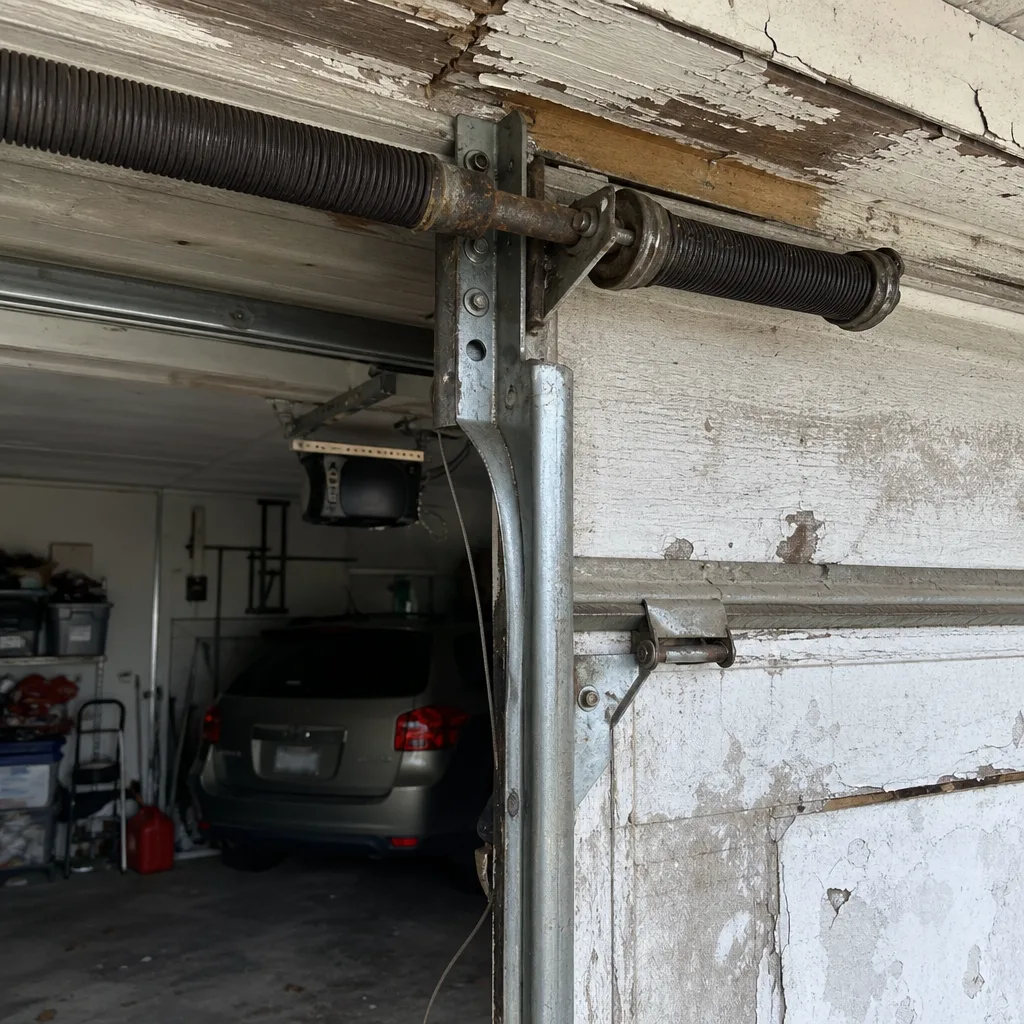 Before
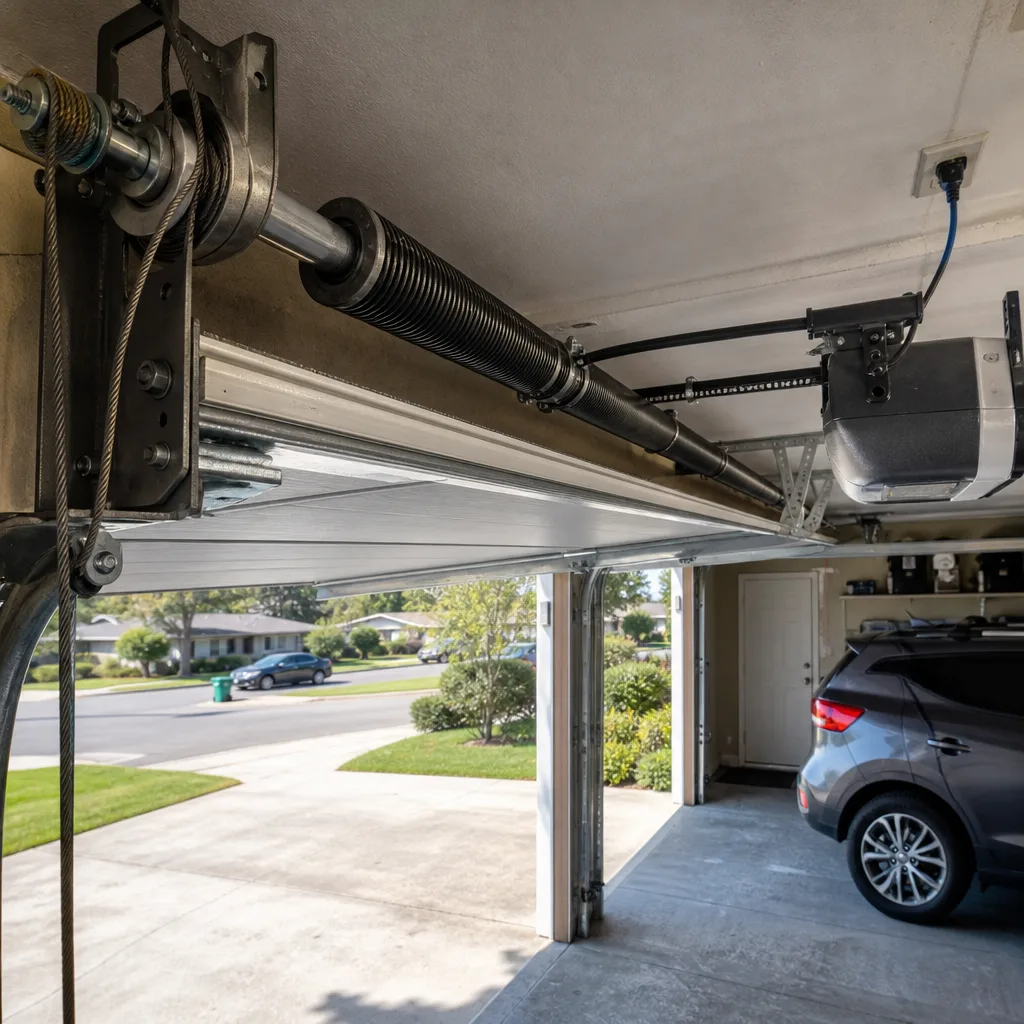 After
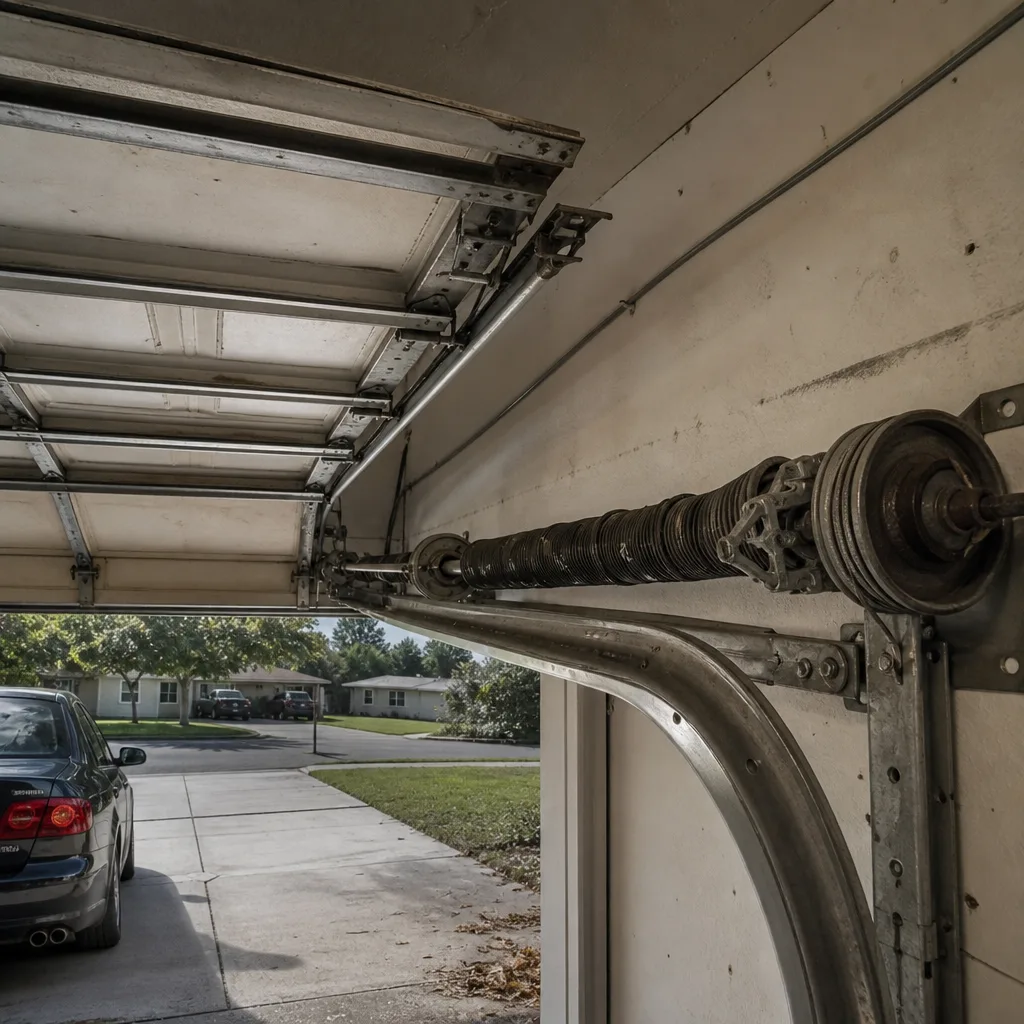 Before
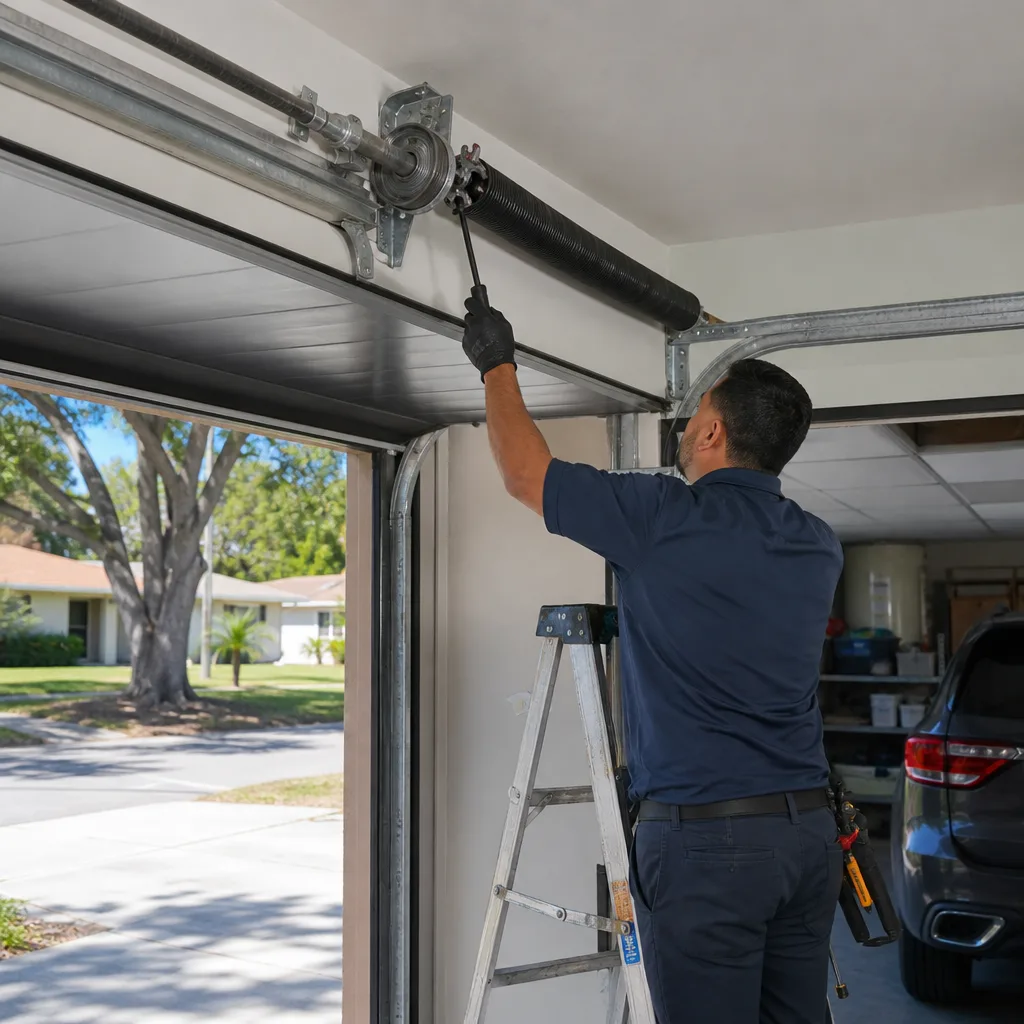 After
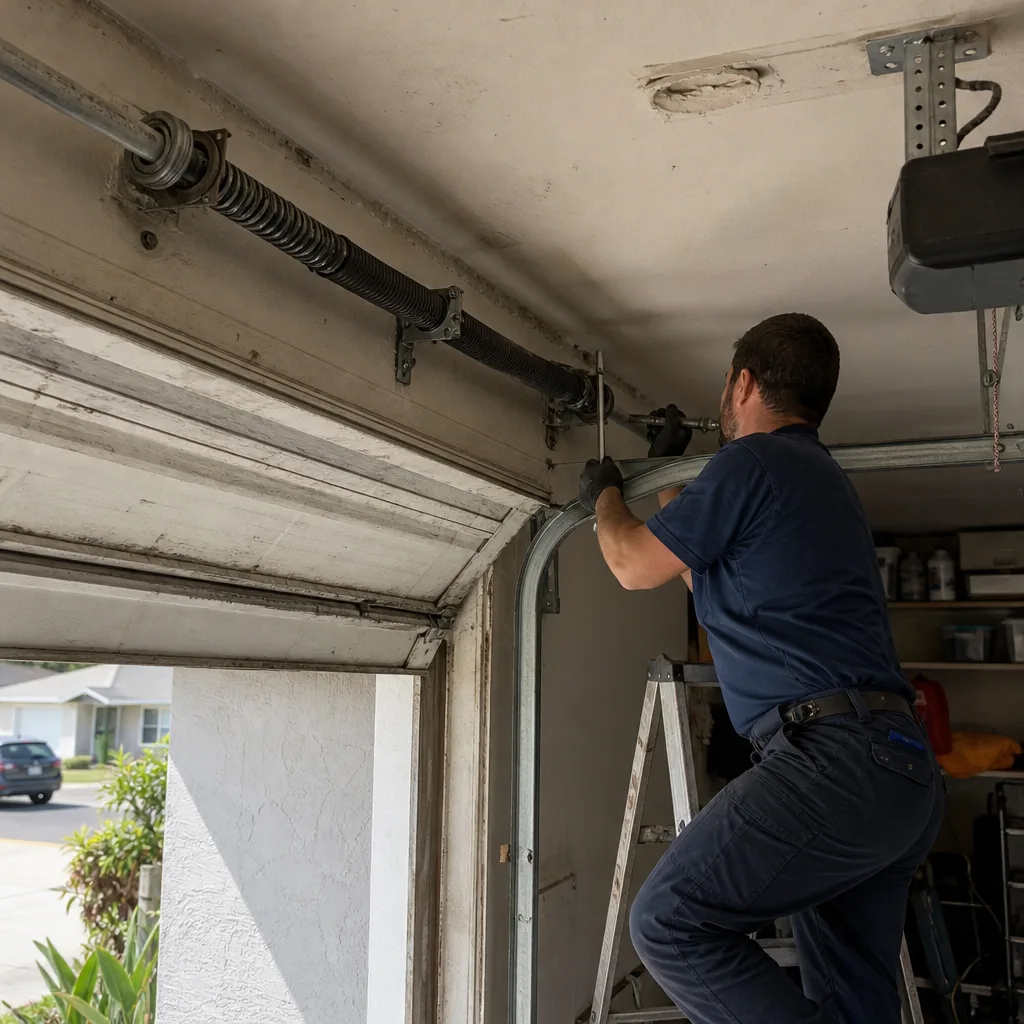 Before
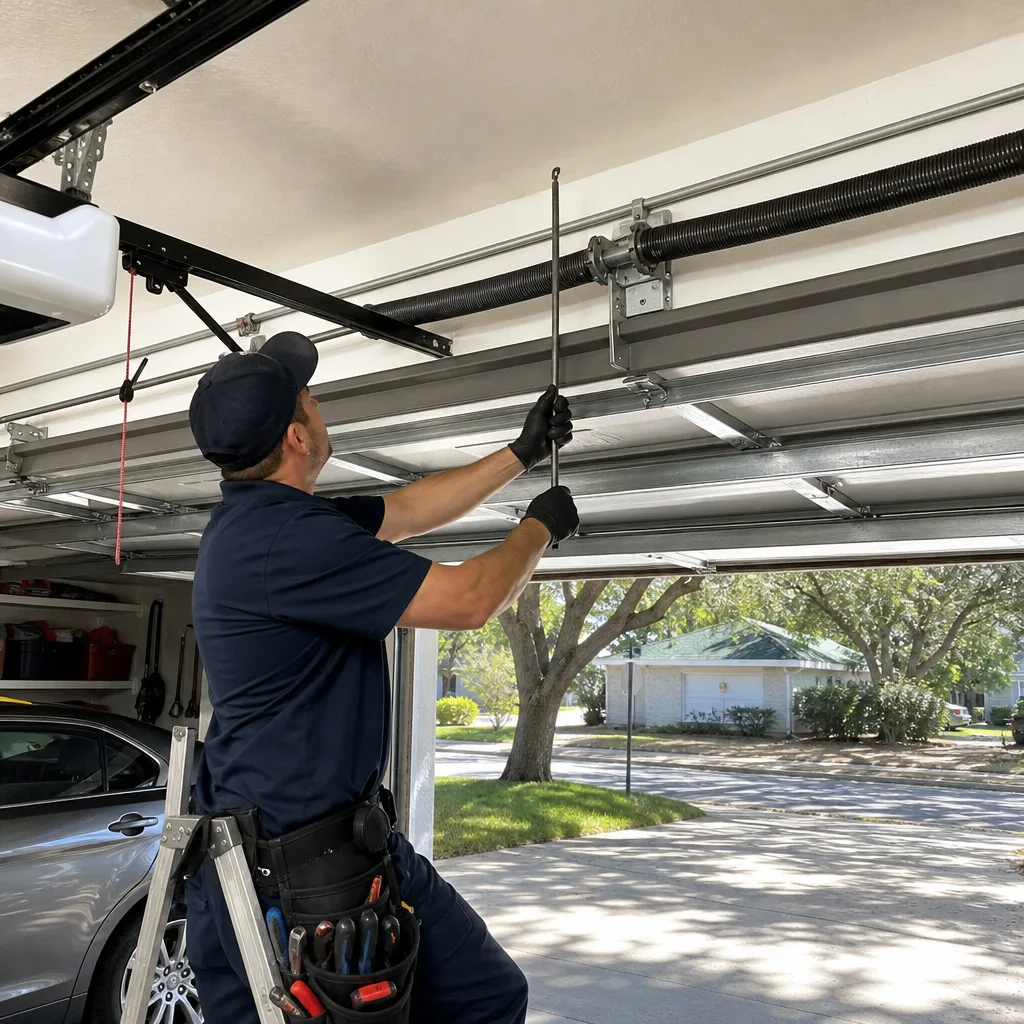 After