
Last updated October 30, 2026
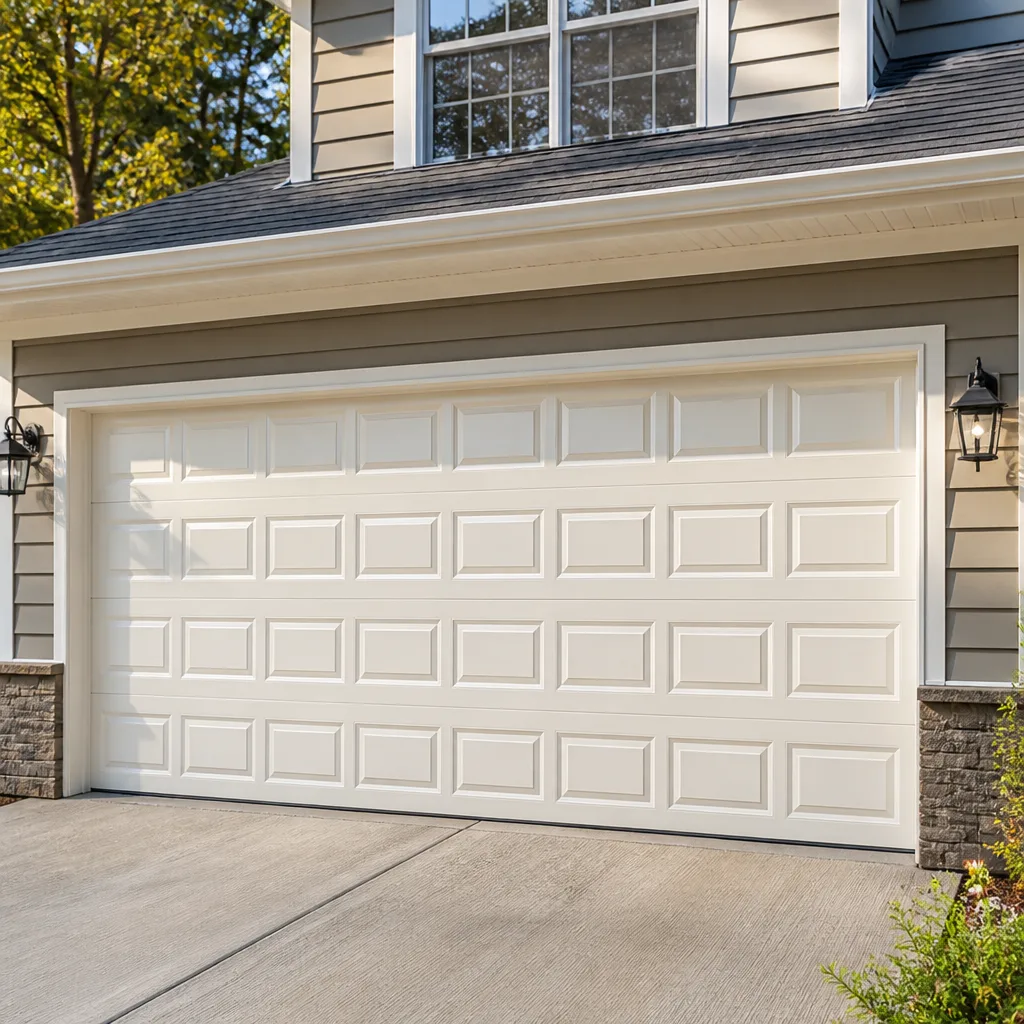 Raised-panel steel
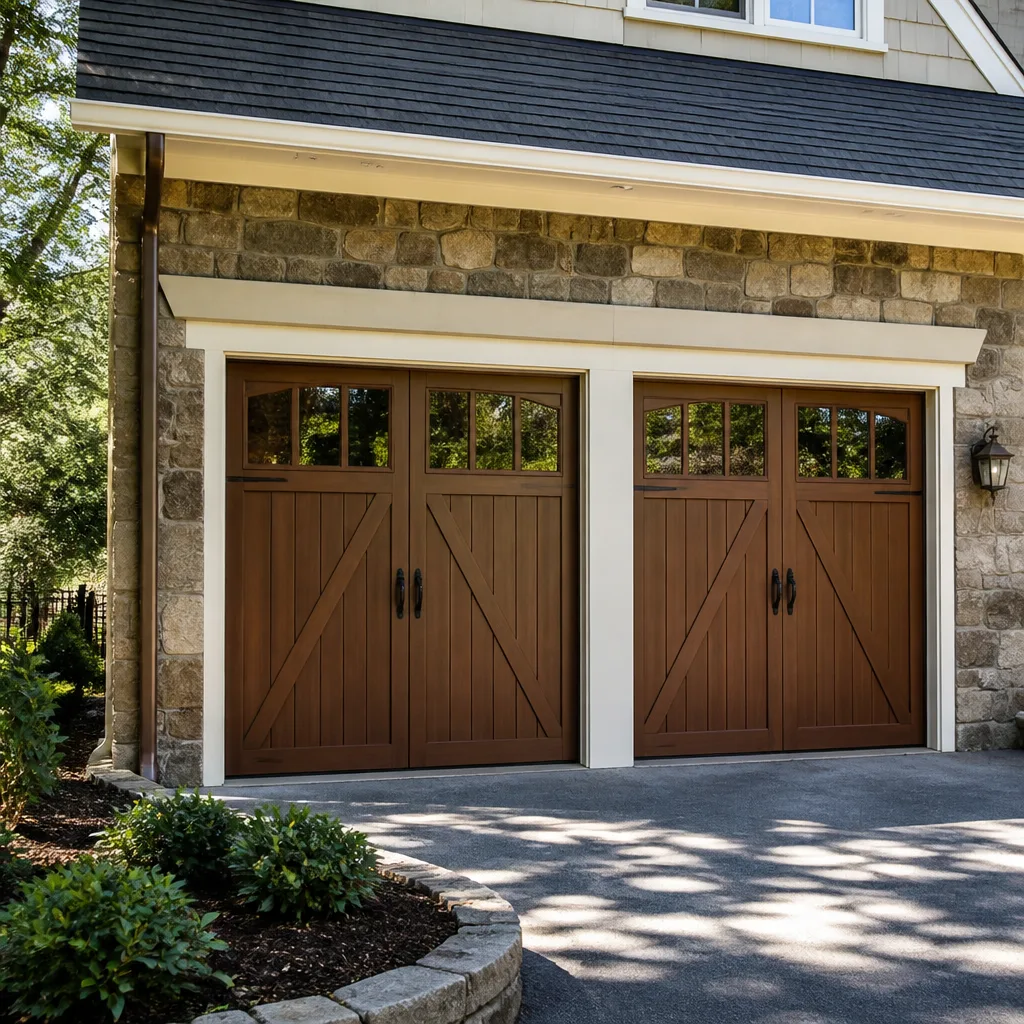 Carriage house
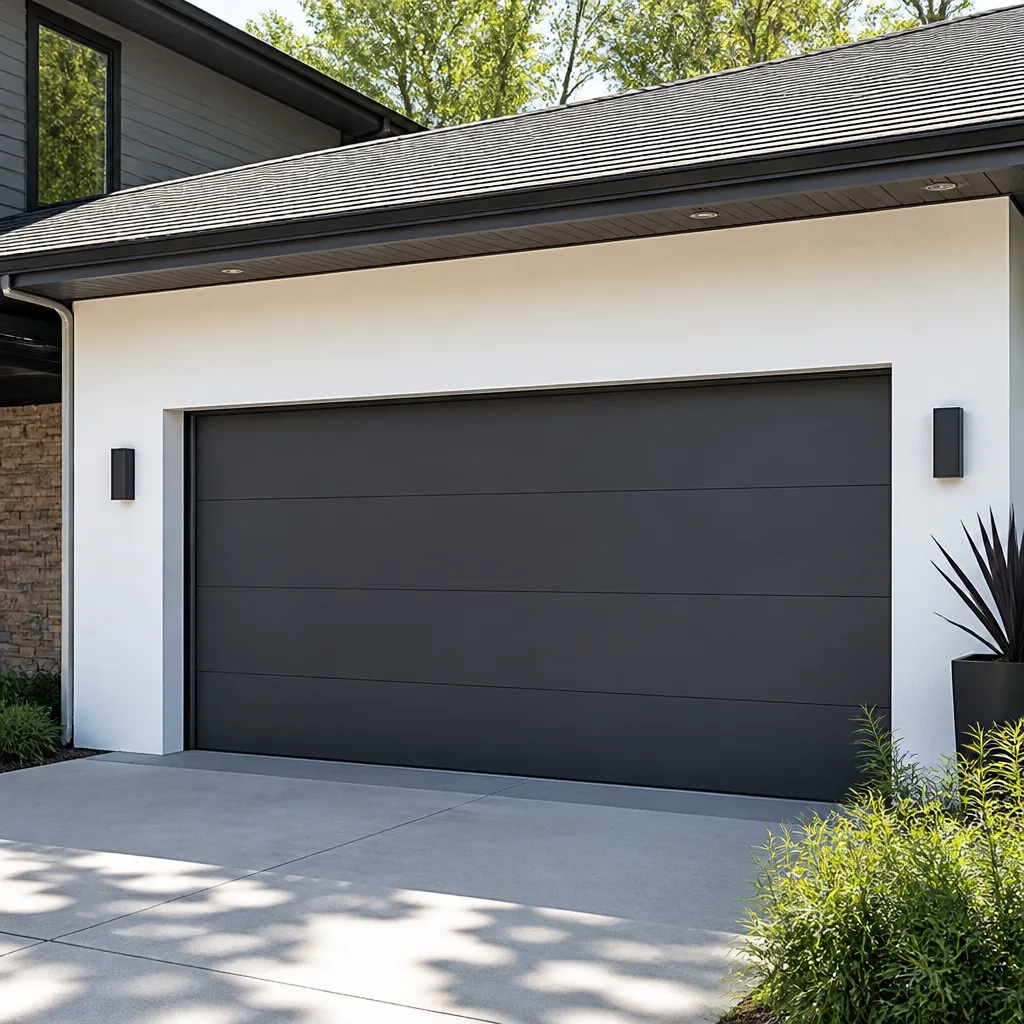 Modern flush
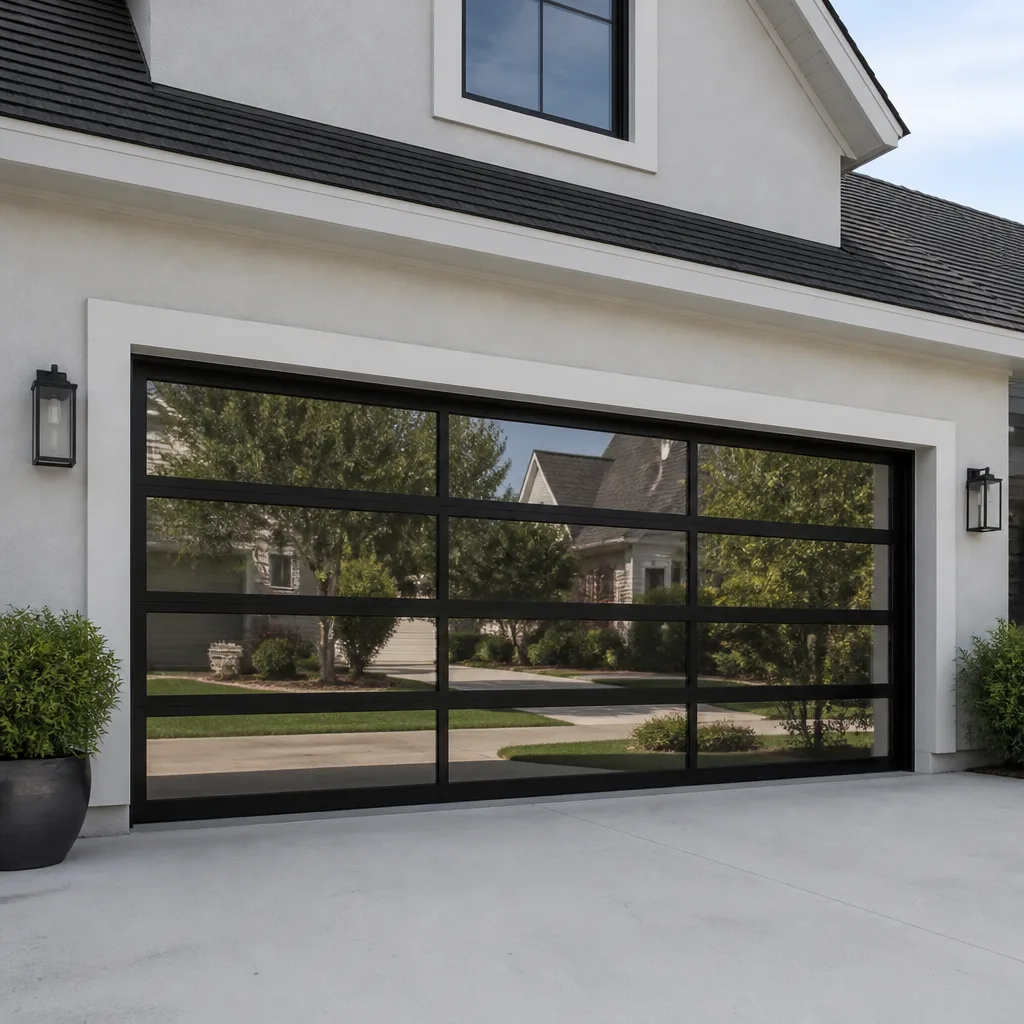 Full-view glass
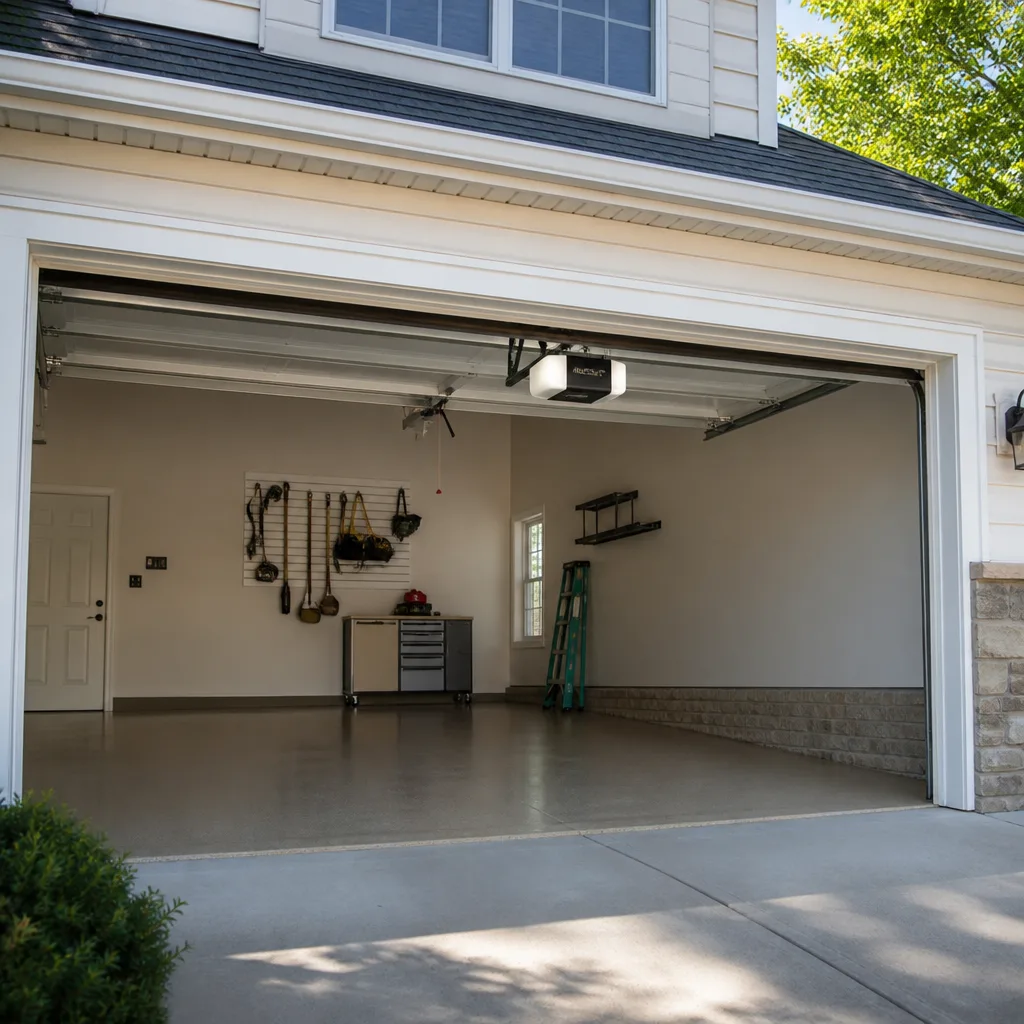 LiftMaster openers
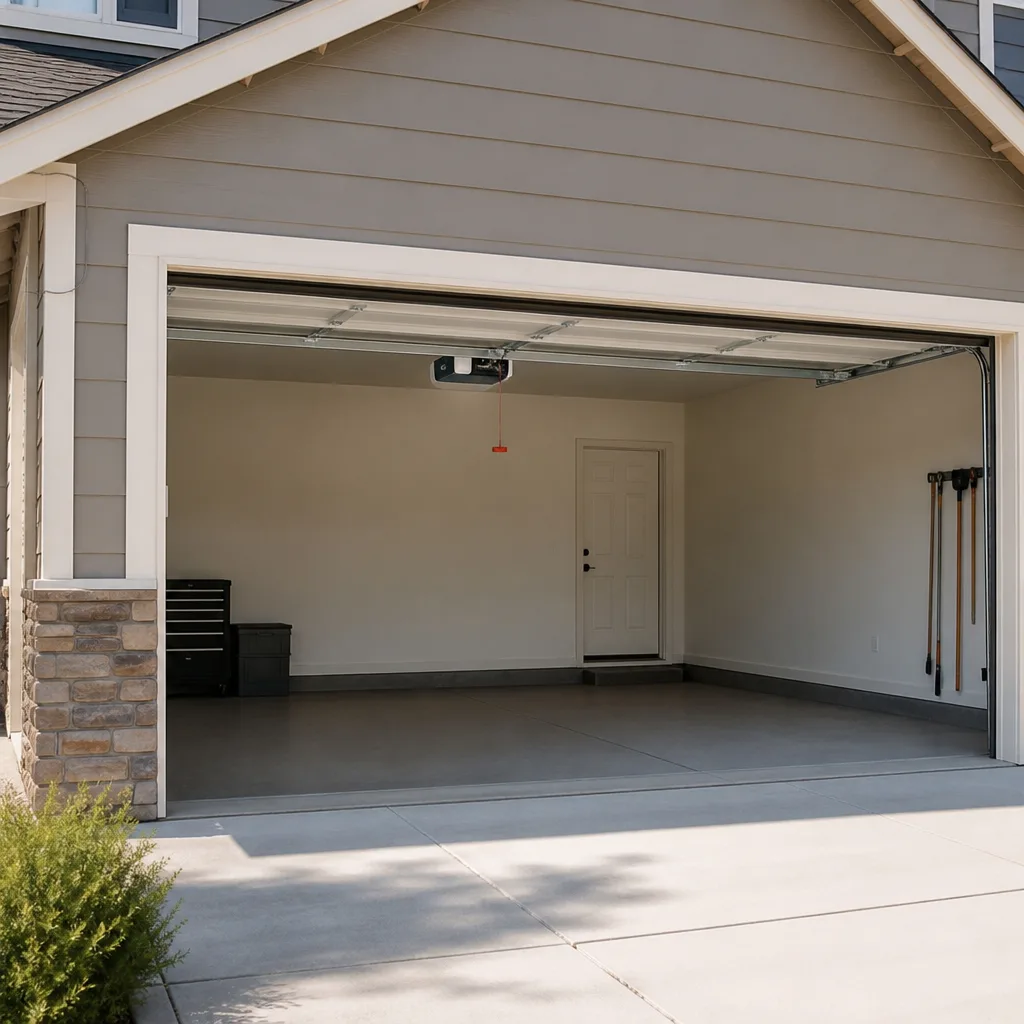 Chamberlain openers
Full 25-point door and opener safety check with every visit - springs, cables, rollers, tracks, and your LiftMaster or Chamberlain opener included
You get a price before we start. It does not change when the truck arrives.
Get your free estimateGarage Door Warning Signs: A St. Petersburg Homeowner’s Reference Guide
A garage door in coastal Florida doesn’t fail the way it does in Ohio or Minnesota. Salt carried on Gulf breezes works into hinges, bearings, and spring coils months before you’ll see visible rust on the panels. Humidity keeps corrosion active year-round. The result is that St. Petersburg homeowners hear the same noises everyone else hears, but the underlying failures happen faster and carry different urgency. This guide covers the specific signals your door gives before it fails, what each one points to mechanically, and how to know whether you’re dealing with a maintenance item or an emergency. We work on doors across St. Petersburg every week, and the warning signs below are the ones that show up most often in this climate.
Styles & brands we work with
Quick Answer
The most common garage door warning signs in St. Petersburg are grinding or squealing noises from rollers and bearings corroded by salt air, popping sounds from spring coils under stress, cables that show rust-colored fraying at the drum, and openers that hesitate, reverse, or move slower than normal. A grinding noise or visible cable fray means stop using the door and call a professional. A squeal or a slight slowdown means you have days to a couple weeks to schedule service.
Table of Contents
- The Noise Index: What Each Sound Points To
- Visual Warning Signs Florida Homeowners Should Know
- Opener Behavior Flags: When the Motor Is Telling You Something
- Severity Tiers: Call This Week vs. Stop Using the Door Now
- Commonly Misattributed Warning Signs
- What Makes St. Petersburg Doors Different: The Coastal Corrosion Factor
- A Simple Inspection Routine for Florida Garage Doors
- Common Mistakes to Avoid
- When to Call a Professional
- Frequently Asked Questions
- The Bottom Line
The Noise Index: What Each Sound Points To
Every sound a garage door makes is information. The hard part is translating that sound into a specific component. Here’s what each noise type means in mechanical terms, specifically for doors in the St. Petersburg area where salt and humidity change how components wear.
Grinding: A Bearing That’s No Longer a Bearing
A grinding noise usually means metal-on-metal contact somewhere in the roller system. In a dry climate, that’s often a roller that simply ran out of lubrication. On a St. Pete door, we more often find that the roller bearing has corroded through. Salt air gets into the bearing race, pits the steel balls inside, and the roller stops rolling. It starts sliding. That sliding creates heat and wears a flat spot on the roller. Within days, a flat-spotted roller can catch in the track and yank a cable off its drum. If you hear grinding, this is not a “add some WD-40” situation. This is a “stop using the door and get it looked at” situation.
Squealing: Early-Stage Wear, Still Actionable
Squealing points to friction. It could be a roller bearing going dry, a hinge pin that’s corroded, or a torsion spring that’s rubbing against its center bracket. Squealing is the earliest warning sign you get, and it’s one where you still have time. A squealing door can usually be resolved with cleaning, lubrication, and in some cases replacing a roller or two. The key difference from grinding: squealing means surfaces are rubbing; grinding means surfaces are digging into each other.
Popping: Spring Coils Under Stress
When a torsion spring pops, it typically happens while the door is moving. That sound is individual coils of the spring snapping free from the coil next to them. It can sound like a firecracker or a sharp crack. But here’s what many homeowners don’t know: a popping noise can also happen before the break. As a spring ages and loses its temper, the coils can chatter and pop against each other during travel. If you hear popping from your springs, take it seriously. A torsion spring that pops while under full tension is close to failure. And when a spring fails, the door becomes a dead weight that can slam shut with enough force to damage the door, the opener, or anything underneath it.
Rattling: Loose Hardware, Worn Hinges, or a Door Out of Balance
Rattle is the most common noise complaint we hear, and it has the widest range of causes. Loose track bolts, worn hinge sleeves, a chain-driven opener with too much slack, or a door that’s slightly out of balance and vibrating against the tracks. In St. Pete, corrosion accelerates hinge wear: salt works into the hinge pins and enlarges the sleeve holes, which creates play, which creates rattle. Rattle is rarely an emergency, but it’s worth investigating. A door that rattles constantly is wearing out its components faster than one that runs quietly.
Thumping or Banging During Travel: A Wheel Is Hitting Something
A rhythmic thump or bang as the door moves means a roller is hitting an obstruction each pass: a bent section of track, a misaligned track joint, or a roller that’s so worn it’s bouncing inside the track channel. Because St. Pete doors often live on concrete slabs that shift slightly over time, track alignment issues are common here. A thump that repeats every few feet of travel is track-related. A single bang at the top or bottom of travel is usually an opener limit issue. Both are worth diagnosing sooner than later, because every thump is additional stress on the rollers, cables, and hinges.
Visual Warning Signs Florida Homeowners Should Know
Some problems announce themselves before you even open the door. Here are the visual indicators we look for on St. Petersburg doors, and what each one indicates.
Rust Migration on Spring Coils: The Precursor to Fracture
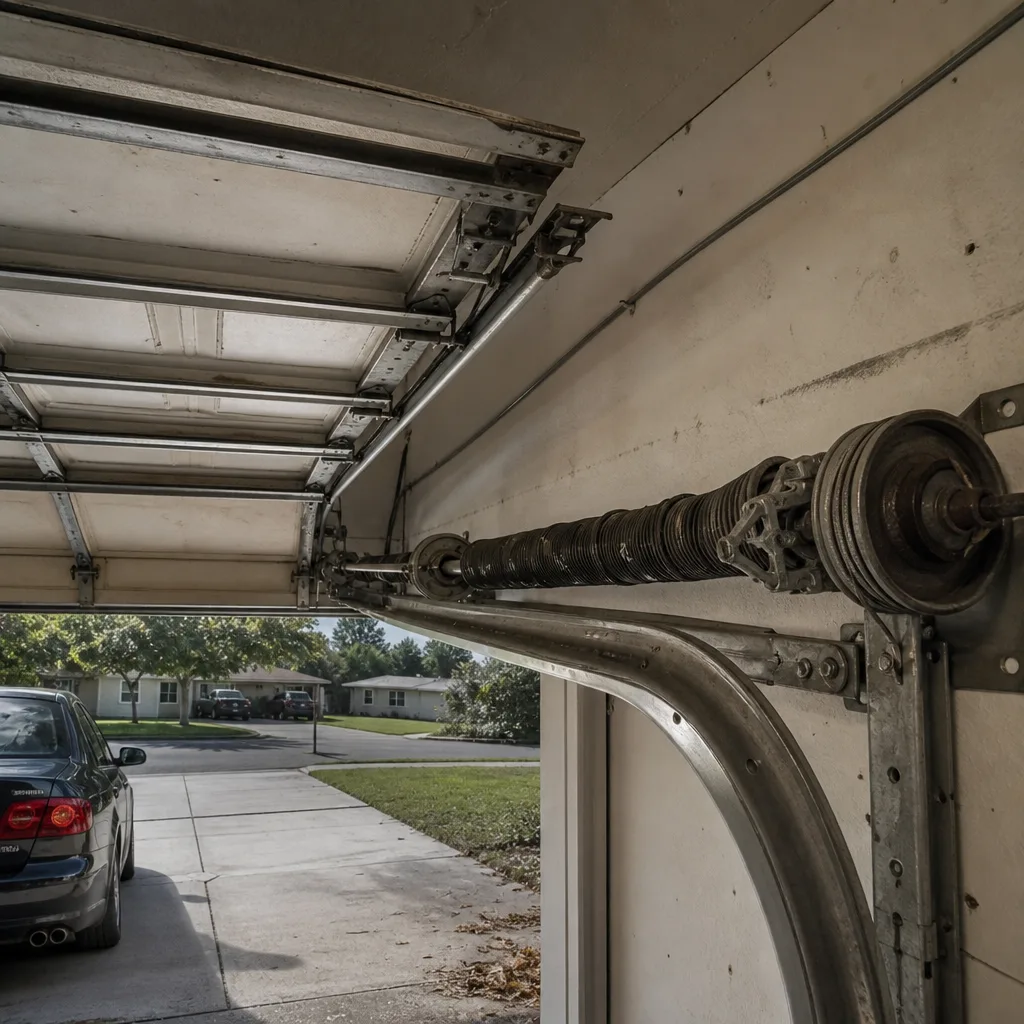
A torsion spring lives under enormous tension. Even when the door is closed, a standard residential torsion spring is holding several hundred pounds of potential energy. When rust forms on a spring coil, it does more than look bad. It creates a stress riser: a point where the metal develops micro-cracks under the corrosion. Over weeks or months those micro-cracks propagate. Eventually, the spring fractures at that weakened point.
What to look for: rust that appears as irregular patches or lines on the spring coils, especially near the ends of the spring, rather than a uniform surface film. If a spring shows deep orange or brown staining with visible pitting, it’s living on borrowed time. A spring with visible rust patches is a replace this soon item, not a “wait until it breaks” item. When a spring breaks, the door often won’t lift at all, and a broken spring can damage cables, panels, and even vehicles parked inside.
Cable Fraying at the Drum: The Most Overlooked Hazard
Garage door cables are wound around a drum at each end of the torsion shaft. Every time the door opens, those cables wrap and unwrap. In coastal air, the cable strands corrode. Over time, individual strands snap. What you see is a “fuzzy” or “hairy” appearance on the cable, especially near the drum where the bend radius is tightest.
A cable with frayed strands is a stop using the door now condition. Here’s why: when a cable snaps under load, the weight of the door transfers unevenly. The door lurches sideways, which can bend track, break rollers, and pull the second cable. In the worst case, a door with one snapped cable can come off its tracks entirely. We recommend inspecting cables once a month in salt-exposed areas. It takes 30 seconds. Look for any cable that appears fuzzy, rust-colored, or thinner in one spot.
Track Gaps and Misalignment
You shouldn’t see daylight between the track and its mounting brackets. Any visible gap, any section of track that’s pulled away from the wall, or any track joint that doesn’t line up perfectly is a problem in progress. In St. Pete, where homes settle and the air is humid enough to soften older wood framing, track fasteners loosen over time. A track that’s 1/4 inch out of alignment at the joint is enough to create roller binding, and binding is how cables snap.
Panel Joint Separation or Bulging Panels
If you see light coming through the cracks between your door panels, your hinges are worn. The panels themselves can also start to bulge or bow, especially on older wood or composite doors in high-humidity environments. A bulging panel usually means interior water damage or frame rot. The panel’s structural integrity is compromised, and it may fail under its own weight.
Worn Roller Wheels with Flat Spots or Chunks Missing
Rollers wear predictably. Steel rollers lose their ball bearings over time. Nylon rollers shed their outer sleeve. If you can see a roller and it has a flat spot on the wheel or a chunk of nylon missing, that roller is shot. Flat-spotted rollers don’t roll; they drag. And dragging rollers are exactly what causes that grinding noise and the cable-snapping risk described above. Rollers are inexpensive. Replacing them at the first sign of wear costs a fraction of what a snapped cable repair costs.
Opener Behavior Flags: When the Motor Is Telling You Something
Garage door openers are the most frequently misdiagnosed component we encounter. Homeowners assume the motor is dying when the real problem is often a door issue or a sensor alignment problem. Here’s how to read what your opener is doing, specifically for brands like LiftMaster and Chamberlain that dominate the St. Petersburg market.
Hesitation When Starting to Open or Close
If your opener pauses for a full second or more before it starts moving the door, one of two things is happening. Either the door is out of balance and the opener is fighting a door that’s heavier than it should be, or the opener’s capacitor is wearing out. A bad capacitor is a simple opener repair. An out-of-balance door is a spring issue. The way to tell them apart: disconnect the opener and lift the door by hand. If it feels heavy or won’t stay open at the halfway point, the door is out of balance and the opener is just the messenger. If the door moves smoothly by hand, the opener itself is the problem. This is a Garage Door Opener Repair in St. Petersburg situation that usually gets resolved in one visit.
Mid-Travel Reversal
An opener that starts closing and then reverses halfway, or opens halfway and then closes, is often misdiagnosed as a sensor problem. The sensors are the first thing to check, yes. But mid-travel reversal with no obstruction is very often a logic board issue or a force setting problem. Modern LiftMaster and Chamberlain openers use load sensors to monitor the amount of force the motor is exerting. If that setting drifts out of calibration, the opener will reverse because it thinks it hit something. Garage door opener repair specialists see this pattern weekly. The fix is usually a logic board reset or replacement, not a new door.
Slow Travel Speed
Openers don’t normally get slow because the motor is tired. They get slow because the door has gotten harder to move. That’s a door issue, not a motor issue, and it points to worn rollers, dry bearings, or a spring that’s lost its counterbalance. In St. Pete, where corrosion increases rolling resistance over time, slow doors are an early warning of bigger problems ahead. A door that’s slow today will be a door that won’t close all the way in a few weeks. This is also a sign that your opener’s motor is working harder than designed, which shortens its life. When you replace the door hardware and get the door moving freely again, the opener usually returns to its normal speed.
Grinding or Groaning from the Opener Unit Itself
If the noise is coming from the motor housing on the ceiling rather than the door itself, the opener has an internal problem. A groaning noise from a chain-driven unit usually means the drive gear, a plastic gear that wears down over time. A grinding or clicking noise from a belt-driven unit can indicate the sprocket or belt tensioner is failing. The good news: drive gears and sprockets are replaceable parts. We repair openers in-house, and a gear replacement is a 45-minute job for a technician who knows the brand.
Inconsistent Behavior: Works Sometimes, Not Others
Openers that work fine one day and refuse to respond the next almost always have one of three issues: a failing capacitor, a cold solder joint on the logic board, or remote control signal interference. In St. Petersburg, signal interference is more common than most people realize. LED bulbs in the opener itself can create radio frequency noise that blocks remote signals. Newer neighbors with wireless security systems can also interfere. The troubleshooting path goes: check bulbs, check remotes, then check the logic board. An inconsistent opener is annoying, but it’s not usually dangerous. It’s a schedule-at-your-convenience repair.
Severity Tiers: Call This Week vs. Stop Using the Door Now
Here’s the tier system we use to help St. Petersburg homeowners prioritize. Not every warning sign is an emergency. But some conditions should stop you from using the door at all until a professional has looked at it.
Tier 1: Stop Using the Door Now
These conditions present an active risk of personal injury or property damage. Disconnect the opener, leave the door closed, and call a professional immediately.
- Any grinding noise during operation. This indicates metal-on-metal wear in a load-bearing component. A roller can seize and snap a cable mid-cycle.
- Visible cable fraying or a kinked cable. A cable that parts under load can cause the door to fall or jump its track.
- A door that hangs unevenly when partially open. This indicates a broken spring or a carriage that’s shifted. The door can drop suddenly.
- Any popping or cracking sound from the spring area. A spring that’s popping is about to break. A broken spring under residual tension can release violently.
- A door that starts to close and then drops the last few inches. This means cable or spring failure is already in progress.
For any Tier 1 condition, call Garage Door Repair in St. Petersburg the same day. These are the calls we prioritize because they’re the ones that happen before a door failure, and preventing a failure is far cheaper than repairing the aftermath.
Tier 2: Schedule This Week
These conditions indicate active wear that will progress but aren’t likely to cause a catastrophic failure in the next day or two.
- Squealing that persists after basic lubrication. Squealing indicates friction. Unresolved friction becomes grinding.
- A door that’s noticeably slower than it used to be. Slow travel means the door is getting harder to move, which accelerates wear on every component.
- Rattling that’s getting louder over time. Loose hardware or worn hinges will continue to worsen without intervention.
- Rust patches on spring coils. Rust is the precursor to spring failure. A spring replacement is much less expensive done proactively than after it breaks and takes cables out with it.
- Opener hesitation that’s getting worse. A capacitor problem will eventually leave you with a door that won’t open at all.
Tier 3: Monitor and Schedule at Your Convenience
These are early-stage indicators that don’t require immediate action but shouldn’t be ignored indefinitely.
- Occasional rattling that doesn’t change. Track down the source during your monthly inspection.
- Minor surface rust on hinges or brackets. Clean it off, monitor it monthly.
- Inconsistent opener behavior. Note the conditions when it happens. You’re gathering diagnostic information until you’re ready to schedule.
- Door slightly out of level when closed. This can be a simple hinge adjustment, but it’s worth diagnosing before it affects track alignment.
Commonly Misattributed Warning Signs
DIY forums are full of confident explanations for garage door noises that are, in our experience, often wrong. Here are the most common misattributions we correct in St. Petersburg.
“My springs need oil.” Hearing a squeak or pop and spraying the springs with WD-40 is the most common knee-jerk response. But WD-40 is a penetrant, not a lubricant. It displaces whatever grease was on the spring and doesn’t leave a lasting film. And more importantly, the noise is usually not coming from the spring itself. It’s coming from the rollers, or the hinges, or the center bearing. Oil the wrong thing, and you’ve accomplished nothing except making a mess.
“My opener motor is burning out.” Homeowners often assume that a slow door or a groaning noise means the opener motor is failing. In our experience, the opener is usually fine, and the motor is working harder because the door itself has a mechanical issue. We see this pattern repeated constantly. The door gets harder to move because of worn rollers or a weak spring, the opener strains to compensate, and the homeowner blames the motor. Replacing the opener without fixing the door just moves the problem to a new motor.
“The safety sensors are misaligned.” A door that reverses mid-travel is automatically assumed to be a sensor problem. It’s worth checking the sensors first, absolutely, because the fix is easy. But mid-travel reversal with the sensors aligned and clean is just as often a logic board issue or a force setting that needs recalibration. We see this frequently on LiftMaster and Genie units that are 5 to 10 years old. The sensors are fine; the control board is the problem.
“I just need to tighten the bolts.” A rattling door often gets the quick “tighten everything” fix. Tightening is part of the solution, but if the hinge sleeves are worn, tightening the bolts doesn’t reduce the play between the hinge halves. You can tighten every fastener on the door and still have a rattle because the wear is in the hinge pins themselves. The fix is hinge replacement, not bolt torque.
“A garage door is a simple machine; any handyman can fix it.” A garage door is one of the largest moving objects in your home, and it carries hundreds of pounds of stored energy in its springs. The operating forces involved can cause serious injury when the machine fails. For something like a loose hinge or a stuck remote, sure, any competent person can handle it. For spring, cable, and opener repair, we recommend a specialist who works on garage doors every day, particularly when the door is a Raynor or Amarr model with brand-specific track and mounting configurations.
What Makes St. Petersburg Doors Different: The Coastal Corrosion Factor
Garage door advice on the internet is written for a national audience, and it assumes a national average environment. St. Petersburg is not average. Here’s how the local environment changes the equation.
Salt aerosol is the biggest difference. The Gulf produces airborne salt particles that travel inland on prevailing winds. Those particles settle on exposed metal and, combined with our 70%+ average humidity, create a corrosion environment that’s active all year. A garage door component that would last 15 years in Ohio will often show significant wear in 7 to 10 years in St. Pete. That doesn’t mean your door will fail sooner everywhere; it means the metal components most susceptible to corrosion (rollers, hinges, cables, brackets) age faster while the panels and track, which are protected by paint or galvanizing, are less affected.
The practical implication: in St. Petersburg, you should inspect your garage door’s hardware more frequently than homeowners in other climates. Rollers, hinges, cables, and spring anchors. These are the components that corrode here first. Panels made by manufacturers like Wayne Dalton or Clopay come with baked-on finishes that hold up well in this climate, but even the best panel can’t stay in place if its hinges have corroded through at the mounting points.
We also see more track misalignment in St. Pete than in inland Florida. Concrete slab homes settle over decades, and when the slab shifts, the garage door opening shifts with it. The track, mounted to the framing, stays put. The result is a gradual misalignment that shows up as binding at a specific point in the door’s travel. If you live in an older St. Pete neighborhood like Kenwood or Magnolia Heights, your home has been settling since the mid-century, and your garage door track has been feeling it.
A Simple Inspection Routine for Florida Garage Doors
You don’t need to be a technician to catch most problems early. Here’s a routine that takes about five minutes a month, tailored to what we know fails on St. Pete doors.
- Open and close the door once while standing inside the garage, watching and listening. Watch the cables on both sides. Look for uneven movement, listen for grinding, squealing, or popping.
- Check the cables at the drums. The cables are under the highest stress at the point where they wrap around the drum. Look for frayed strands, rust discoloration, or a fuzzy appearance.
- Inspect the spring coils. After the door is closed, run your eyes along the length of each torsion spring. Look for rust patches, especially irregular dark spots or pitting.
- Look at each roller you can see. Check for flat spots, missing chunks, or visible wobble as the door moves. Nylon rollers with black tire-like wheels are easy to spot; steel rollers should look round and smooth.
- Test the balance. Pull the emergency release cord and lift the door manually to waist height. Let go. A balanced door stays in place or moves only slightly. A door that drops or rises on its own has a spring problem.
- Listen to the opener. Cycle the opener while standing near the motor. A healthy opener makes a steady hum or whir. A groaning, clicking, or grinding noise from the motor unit is an opener repair signal.
- Check the safety reversal. Place a roll of paper towels on the floor under the door path and close the door. The door should reverse when it contacts the object. If it doesn’t reverse, that’s a safety issue that needs professional attention.
This routine catches most Tier 2 warning signs while they’re still Tier 3. Five minutes a month is cheap insurance against a door that fails on a Monday morning when you’re already late.
Common Mistakes to Avoid
- Spraying WD-40 on everything. WD-40 is a water displacer, not a long-term lubricant. It washes out the grease that your rollers and hinges actually need. Use a garage door-specific lubricant instead, and never use WD-40 on springs or rollers.
- Ignoring a squeal because the door still works. Squealing is the earliest warning sign you’ll get. By the time a squeal becomes a grind, you’ve moved from a $150 repair to a $400 repair and from a maintenance item to an emergency.
- Disconnecting the opener and using a broken door manually. If your door has a broken spring or a frayed cable, operating it manually doesn’t make it safe. A door with a broken spring can drop suddenly whether the opener is attached or not.
- Replacing the opener before fixing the door. When a door is hard to open, many St. Pete homeowners replace the opener, thinking the motor is worn out. If the door itself is the problem, a new opener gets damaged by the same strain that wore out the old one.
- Assuming all garage door companies service all brands. Some local companies have brand preferences and may tell you that your Craftsman opener is “not worth repairing.” We service Craftsman, LiftMaster, Chamberlain, Genie, and the other major brands without hesitation. If a company tells you your brand is a problem, get a second opinion.
- Waiting until the door won’t open to call. By the time a door fails completely, the repair is always bigger and more expensive than it would have been a week earlier. The whole point of this guide is to help you act before failure.
When to Call a Professional
Any Tier 1 condition justifies an immediate call: grinding, cable fraying, popping springs, a door that hangs unevenly, or a door that drops when closing. Tier 2 conditions warrant a call within the week: persistent squealing, noticeable slowdown, or opener hesitation that’s worsening. For Tier 3 items, schedule when convenient, but don’t let them slide for months. In every case, the cost of a proactive repair is a fraction of the cost of repairing a door that failed. St. Petersburg Garage Door Repair offers free estimates in St. Petersburg. Call (855) 473-1420 and we’ll diagnose the problem, give you a written price, and in most cases complete the repair in the same visit. For homeowners considering a full replacement rather than repeated repairs, we also handle Garage Door Installation in St. Petersburg with the same team that does the repair work, so nothing gets lost in translation between a technician and a salesperson.
Frequently Asked Questions
The two reliable indicators are visible rust patches on the spring coils and popping or cracking sounds coming from the spring during door operation. Rust patches create stress risers where micro-fractures develop, and popping indicates coils that are chattering under tension. In St. Petersburg’s salt air, rust on springs develops faster than inland, so monthly visual checks are worth doing. If you see rust or hear popping, stop using the door and call (855) 473-1420 for a spring inspection.
A loud bang at the end of travel typically indicates an opener limit setting that’s out of adjustment, a door that’s slightly out of balance, or a broken spring on one side. The door is hitting the ground harder than it should because the opener no longer knows exactly where the floor is. On St. Pete homes with slab settling, track alignment can drift over time and contribute to a hard close. A hard close is a Tier 2 issue: schedule service this week before the repeated impact damages panels, rollers, or the opener’s travel mechanism.
If the door’s panels are in good structural shape and the frame and track are sound, repair is almost always the more cost-effective choice. Common repairable issues include broken springs, frayed cables, worn rollers, and opener problems. If a panel is rotted or buckling, if the track is significantly misaligned from slab settling, or if you’re looking at multiple simultaneous repairs, a replacement may make more sense garage door installation gives you a door built for Florida conditions. We give honest recommendations either way; our team does both repair and installation, so there’s no pressure toward one or the other.
In St. Petersburg, we recommend lubricating your garage door every four to six months, more frequently than the national average of once a year. The combination of salt air, humidity, and heat breaks down lubricants faster here. Use a garage door-specific silicone or lithium spray on rollers, hinges, and the torsion spring. Don’t use WD-40 on your door; it displaces lubricant rather than adding it. A properly lubricated door runs quieter and puts less strain on the opener motor.
A clicking noise from the opener unit is rarely the motor itself. On most LiftMaster and Chamberlain openers, a clicking or grinding noise points to the drive gear, a plastic component inside the motor housing that wears down over time. The gear is replaceable, and the repair takes under an hour for a technician who works on these brands regularly. On belt-driven units, a click can indicate a damaged belt tooth or a misaligned sprocket. These are opener repairs, not opener replacements, and they’re usually resolvable in one visit.
We strongly recommend against DIY garage door cable replacement. The cables on a standard residential door are under constant tension from the torsion spring, and incorrect handling can release that energy suddenly, causing serious injury. The cable also needs to be wound correctly on the drum so the door lifts evenly. An unevenly wound cable causes the door to bind in its tracks, which is exactly the condition that leads to future cable failure. Cable replacement is a professional repair, and it’s one of the most common jobs we complete in St. Petersburg. Call (855) 473-1420 and we’ll give you a free estimate before any work begins.
The Bottom Line
Your garage door talks to you. It grinds when bearings are corroding, pops when springs are under stress, rattles when hinges wear loose, and slows when the opener is straining against a door that’s growing heavier. In St. Petersburg, where salt air and humidity accelerate every one of these failure modes, listening to those signals matters more than it does inland. The patterns are consistent: corrosion attacks rollers and cables first, then springs and hinges. A five-minute monthly inspection catches most problems while they’re still cheap to fix. And when a problem escalates, the single most important decision is calling someone who understands your door’s brand and mechanics, not just someone who shows up with a truck. St. Petersburg Garage Door Repair home is here for repair, opener repair, and installation, all from the same team, all with the same goal: getting your door working right and keeping it that way.
Written by the team at St. Petersburg Garage Door Repair, serving St. Petersburg since 2011.
See the difference
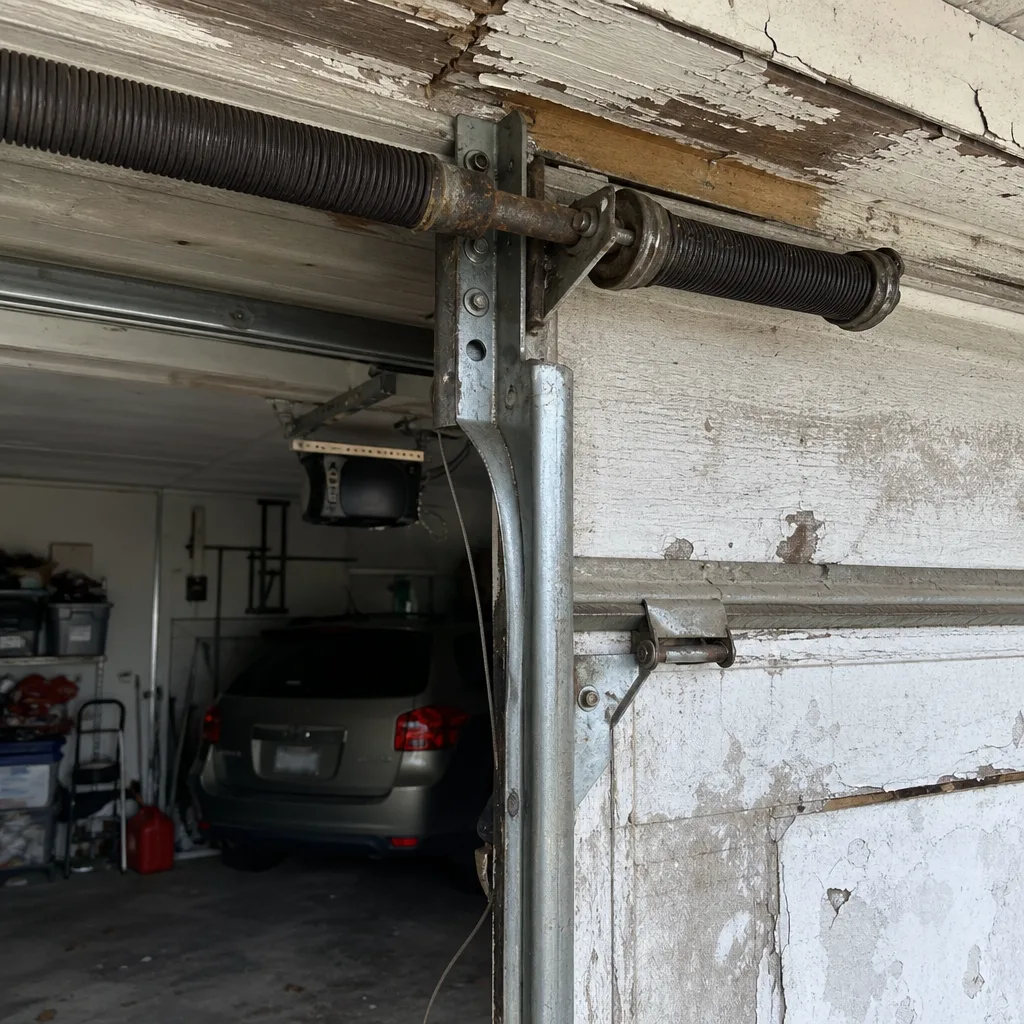 Before
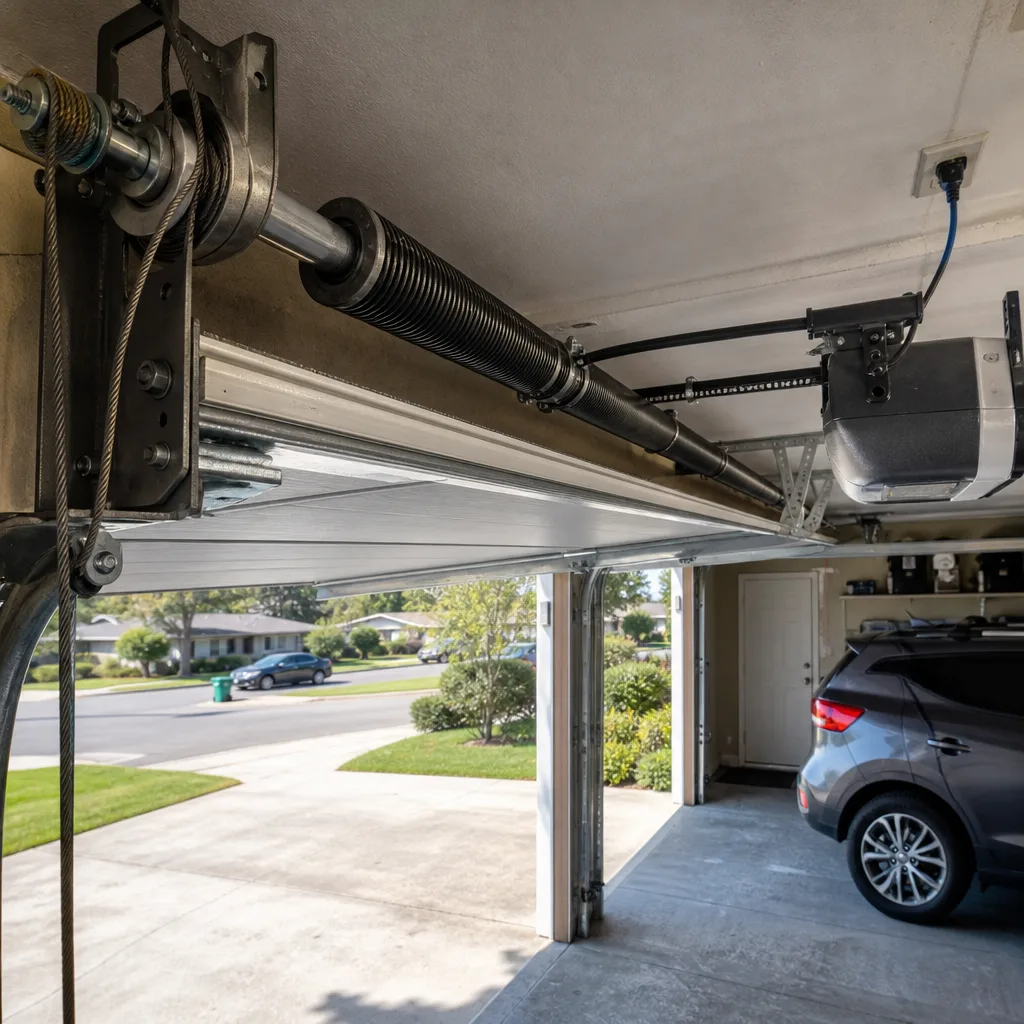 After
 Before
 After
 Before
 After