
Last updated October 30, 2026
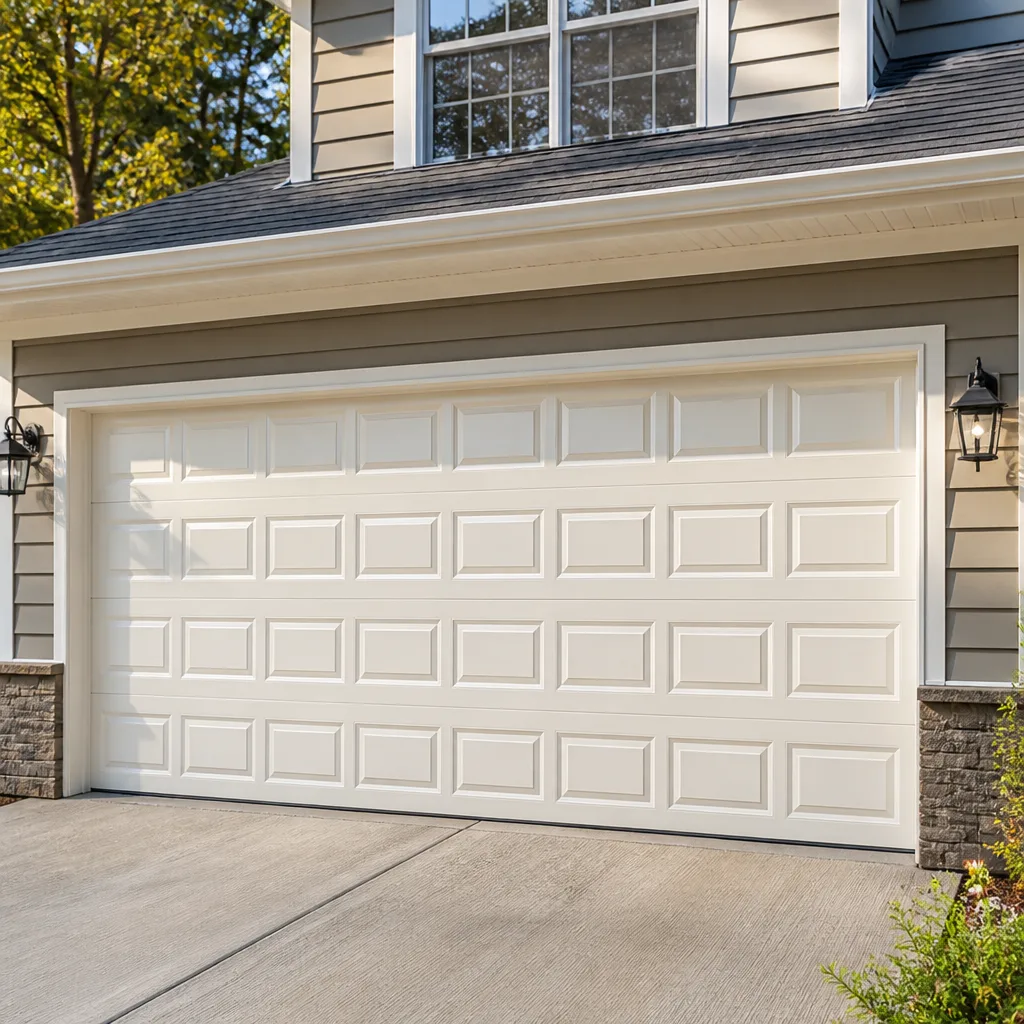 Raised-panel steel
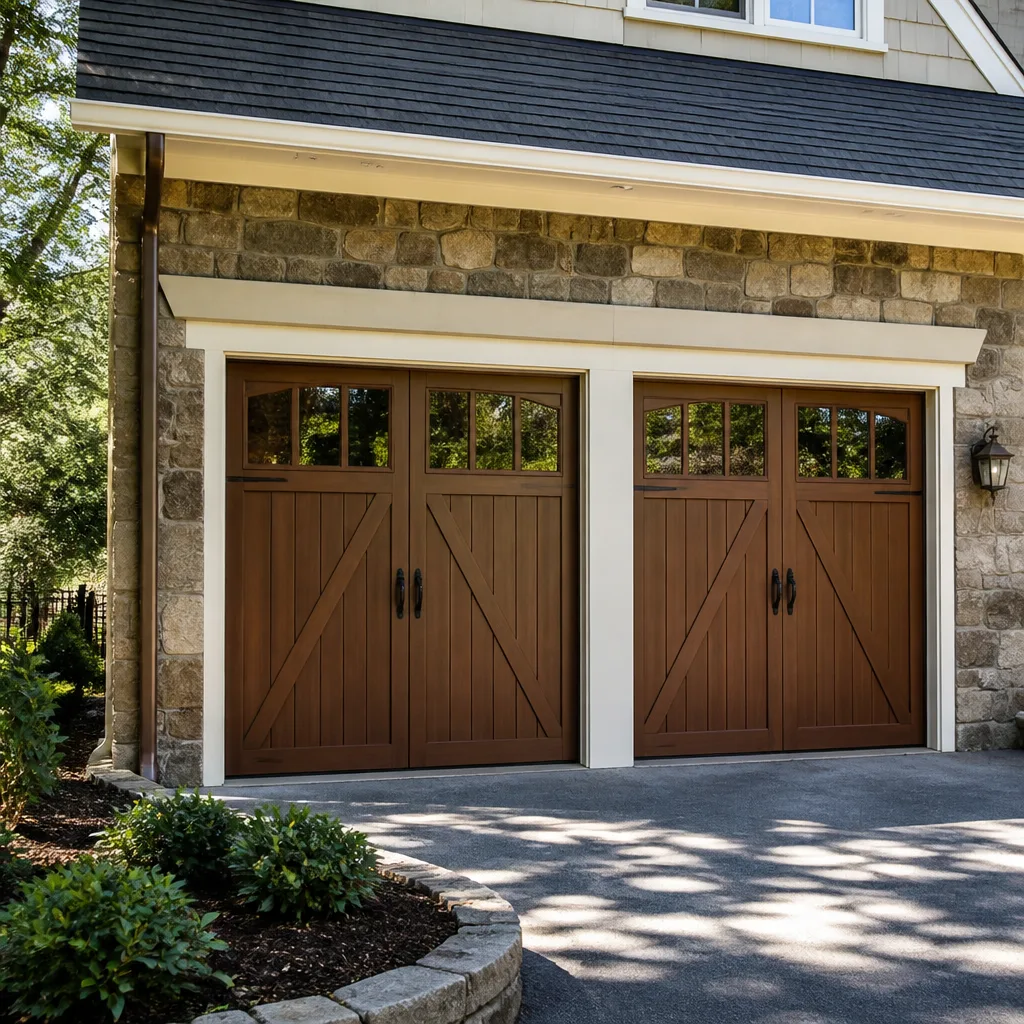 Carriage house
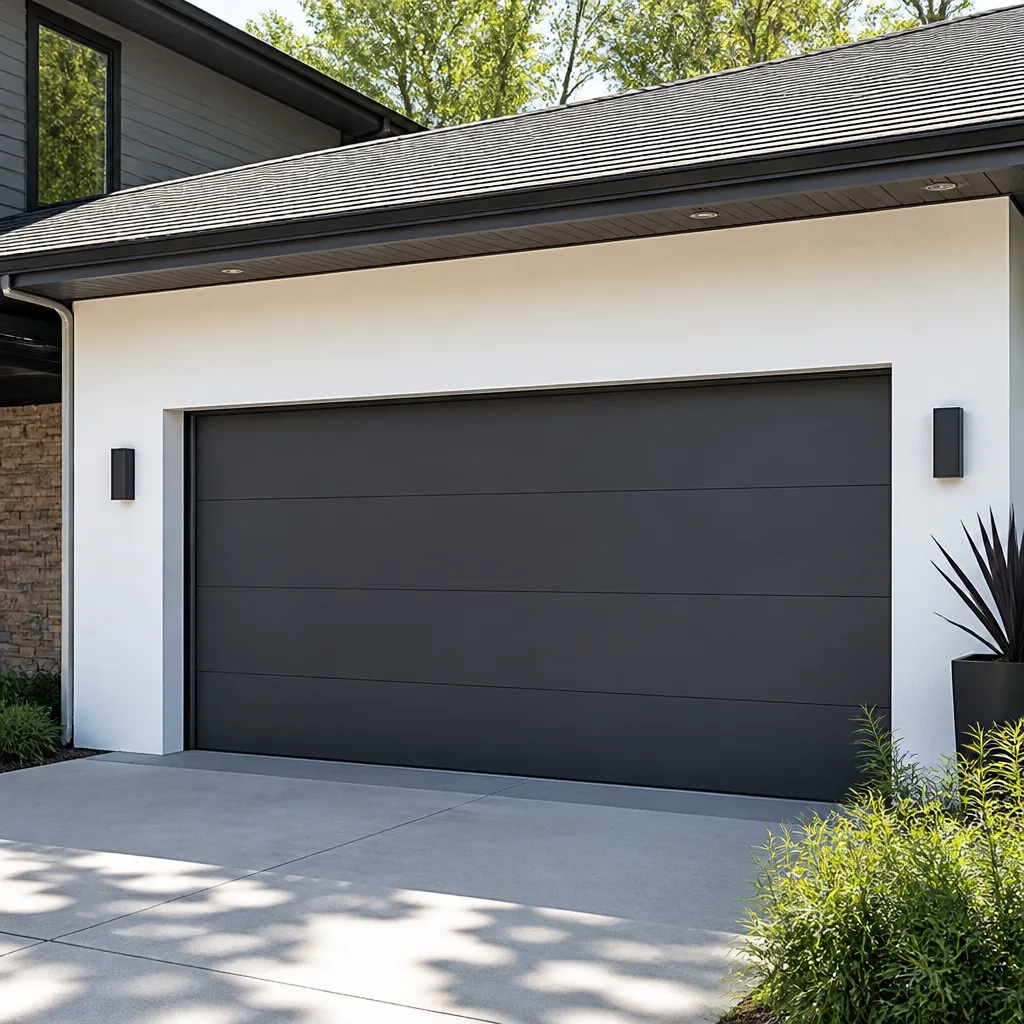 Modern flush
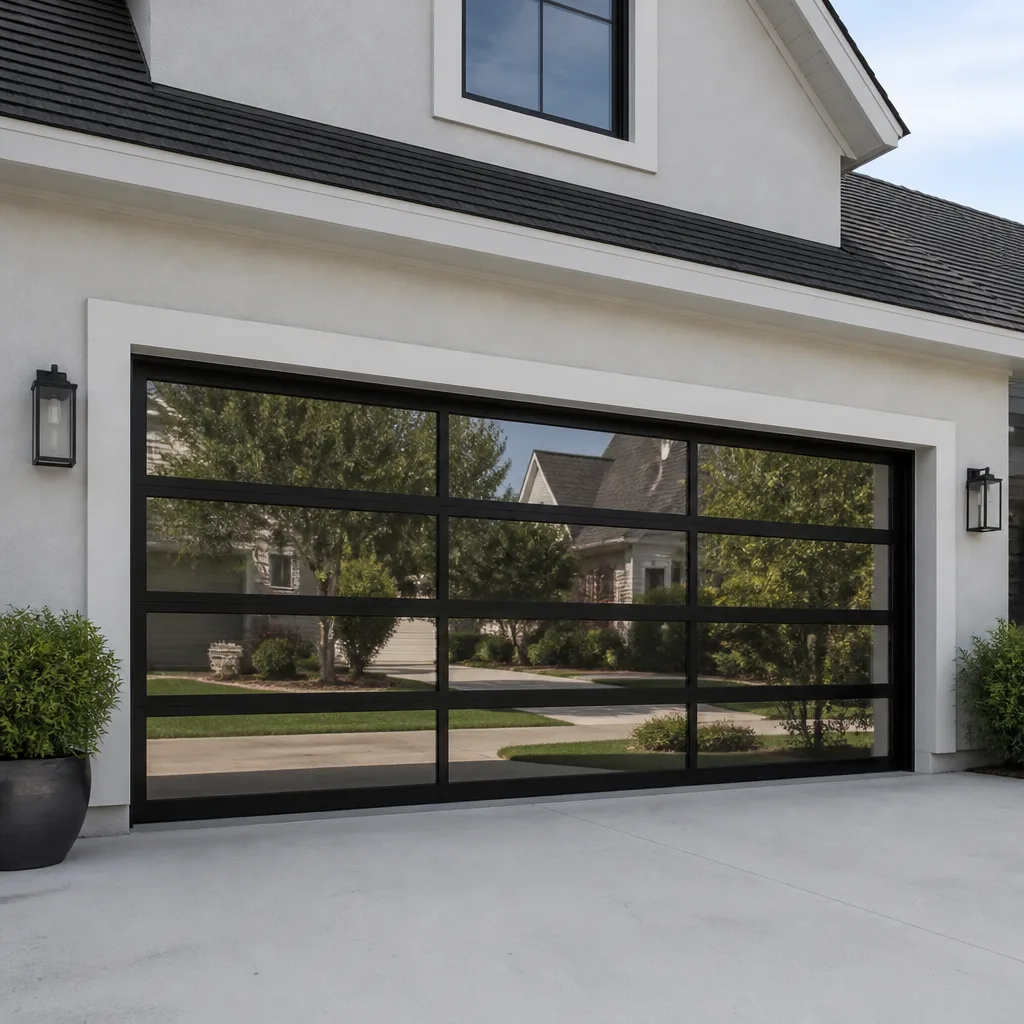 Full-view glass
 LiftMaster openers
 Chamberlain openers
Full 25-point door and opener safety check with every visit - springs, cables, rollers, tracks, and your LiftMaster or Chamberlain opener included
You get a price before we start. It does not change when the truck arrives.
Get your free estimateGarage Door Permits, Codes & Inspections in FL: What You Need to Know
In 2022, a homeowner in Pinellas County replaced their garage door with a hurricane-rated model from a big-box store, paid cash, and never pulled a permit. Two years later, the house went under contract. The buyer’s inspector flagged the door immediately: no wind-load documentation, no permit record, no way to verify the installation met Florida Building Code. The deal collapsed. The seller had to retroactively permit the door, pay for an engineer’s evaluation, and re-list the property. A $1,900 door became a $4,600 problem because no one filed a form. In St. Petersburg, garage doors are not cosmetic fixtures. They are structural components of your home’s wind envelope, and the state regulates them accordingly. This guide explains exactly when a permit is required, what inspectors look for, how insurance claims are affected, and how to fix an unpermitted installation before it costs you. For more guides & resources, visit our blog. far more than the door itself.
Styles & brands we work with
Quick Answer
In Florida, most garage door replacements require a building permit because the door is treated as part of the home’s wind-load protection system under Florida Building Code Section 1609. In St. Petersburg and greater Pinellas County, any new door or replacement that changes the door’s size, material, or wind-load rating needs a permit and inspection. The permit typically costs $75 to $250 depending on the project scope, and the inspection verifies that the installed door matches the wind-load documentation submitted with the application.
Table of Contents
- When Does a Garage Door Require a Permit in Florida?
- Pinellas County Wind-Load Requirements: What the Code Actually Says
- What a Pinellas County Garage Door Inspection Actually Covers
- Which Projects Qualify as Like-for-Like Replacements (and Which Do Not)
- How an Unpermitted Garage Door Affects Your Insurance Claim
- How to Retroactively Permit a Door That Was Installed Without One
- What Happens If You Sell Without Disclosing an Unpermitted Door
- Common Mistakes to Avoid
- When to Call a Professional
- Frequently Asked Questions
- The Bottom Line
When Does a Garage Door Require a Permit in Florida?
Florida Building Code treats garage doors as part of the building envelope. Section 1609 establishes wind-load requirements for all exterior doors, including garage doors, because a failed door during a hurricane allows wind pressure to enter the home and lift the roof from the inside. That is not theoretical. Post-storm damage assessments after Hurricane Irma and Hurricane Ian repeatedly identified garage door failures as a primary cause of structural roof loss in homes across Pinellas County, including neighborhoods like Shore Acres, Snell Isle, and Disston Heights in St. Petersburg.
Under Florida law, a building permit is required for any garage door project that involves:
- Replacing an existing door with a different size or configuration – widening the opening, changing from a single to a double door, or modifying the header
- Installing a new door where none existed – enclosing a carport, adding a garage, or converting a wall opening
- Replacing a door with a different wind-load rating – even if the physical dimensions are identical
- Changing the door material in a way that alters structural performance – swapping a steel door for aluminum or wood, or changing from a non-impact door to an impact-rated door without documentation
- Any repair that modifies the door’s structural attachment to the home – replacing the track system, modifying mounting brackets, or altering the opening framing
The permit requirement is not a St. Petersburg-specific rule. It applies statewide, but enforcement varies by municipality. Pinellas County enforces it consistently because the county’s building department sits inside a hurricane-prone zone and has seen the consequences of non-compliant installations first-hand. In our experience working across St. Petersburg, most homeowners are surprised to learn that even a same-size door replacement triggers a permit if the new door’s wind-load rating documentation does not match what the county has on file for the previous installation.
Pinellas County Wind-Load Requirements: What the Code Actually Says
Pinellas County sits in a high-velocity hurricane zone. The design wind speed for most of St. Petersburg is 130 to 140 mph depending on the exact location, with coastal areas like Pass-a-Grille and Tierra Verde at the upper end. Florida Building Code Section 1609 requires that all garage doors resist both positive and negative wind pressure at the designated design speed for the property’s location. This requirement applies whether the door is impact-rated or not.
What this means in practice:
- Every new or replacement garage door in Pinellas County must carry a Notice of Acceptance (NOA) or Florida Product Approval from the Florida Department of Business and Professional Regulation. This document verifies the door model was tested to withstand the required wind pressure for the county’s wind zone.
- The door’s wind-load rating must meet or exceed the design pressure for your specific property. A door rated for 110 mph is insufficient for most St. Petersburg addresses. The county will reject the permit application or fail the inspection if the documentation shows an inadequate rating.
- Impact-rated doors do not require additional opening protection like hurricane shutters, but only if the door’s NOA explicitly certifies impact resistance for the required missile test (large and small missile impact standards). Non-impact doors require that the homeowner maintain a separate windstorm protection system for the garage opening.
- The mounting hardware and track system are part of the wind-load assembly. The NOA covers the complete door system: panels, tracks, brackets, springs, and fasteners. Substituting components from a different manufacturer voids the approval and fails inspection.
For homeowners replacing a door on an older St. Petersburg home, there is an additional complication. Many pre-1994 houses have garage openings that were never engineered for current wind-load requirements. If the existing opening framing is undersized or the header is inadequate, the county may require structural upgrades before approving the door permit. This is most common in older neighborhoods like Old Northeast, Kenwood, and Crescent Lake, where original garage frames were built to a different standard. A good garage door installation in St. Petersburg starts with checking the opening, not just the door.
What a Pinellas County Garage Door Inspection Actually Covers
After the door is installed and the permit is pulled, Pinellas County sends a building inspector to verify the work. The inspection is not a casual walk-through. Inspectors use a Garage Door Repair Maintenance Checklist for St. Petersburg Homeowners tied directly to the approved permit documents, and they will fail the inspection for discrepancies that seem minor to a homeowner.
The standard Pinellas County garage door inspection checklist includes:
- Wind-load documentation match. The inspector verifies that the installed door’s model number, size, and wind-load rating match the NOA or Florida Product Approval submitted with the permit application. A mismatched model number is an automatic fail.
- Track and bracket mounting. The inspector checks that the vertical and horizontal tracks are mounted with the fasteners specified in the NOA. Using drywall screws instead of the specified lag bolts is a common fail point.
- Header and jamb attachment. The door’s attachment points to the home’s framing must meet the wind-load pull-out requirements. The inspector may ask to see exposed fasteners if the installation is not documented.
- Spring and counterbalance system verification. The inspector confirms the springs are the correct size and type for the door weight and that the counterbalance system operates smoothly. This is a safety check in addition to a code check.
- Opener integration. If a garage door opener is installed, the inspector verifies that the opener’s emergency release does not override the door’s wind-load locking mechanism. In a wind event, the door must remain locked in place regardless of the opener’s state.
- Final operation test. The door must open and close smoothly without binding, reversing unexpectedly, or showing signs of imbalance. The inspector manually tests the door’s balance at multiple positions.
Homeowners can prepare for the inspection by having the door’s NOA document on hand, the permit number posted at the job site, and access to the garage interior for the inspector. If the inspection fails, the corrections are usually straightforward, but each re-inspection typically carries a fee, so getting it right the first time matters. We regularly see fail points that stem from installer shortcuts rather than door defects, which is why garage door repair in St. Petersburg that includes track and mounting verification is worth doing before you call for inspection.
Which Projects Qualify as Like-for-Like Replacements (and Which Do Not)
Florida Building Code includes an exemption for minor repairs and like-for-like replacements, but the definition is narrower than most homeowners assume. The state does not exempt everything that looks like a simple swap. The key distinction is whether the replacement changes the structural or wind-load characteristics of the door system.
Projects that typically do NOT require a permit in St. Petersburg:
- Replacing a broken spring with an identical spring from the same manufacturer, same size, same door model
- Replacing a garage door opener with a new opener of the same type, when no structural changes are made to the door itself
- Replacing worn rollers, hinges, or weatherstripping without altering the door’s structural attachment
- Repainting or refinishing the door without changing its material or structural assembly
Projects that DO require a permit in St. Petersburg:
- Replacing the entire door panel assembly, even if the new door is the same size and material
- Swapping a non-impact door for an impact-rated door (or vice versa)
- Any door replacement where the new door’s NOA differs from the previous door’s documentation
- Modifying the garage opening, including adding or removing framing, changing the header, or relocating the track system
- Installing a new door in a carport conversion or new construction project
Here is the honest truth from a service team’s perspective: when in doubt, call the Pinellas County Building Department and ask. The county’s permit technicians are helpful, and they would rather answer a question than process a code violation later. We tell our St. Petersburg customers that a five-minute phone call is cheaper than a retroactive permit, which typically costs double the original permit fee and may require an engineer’s evaluation. See our Garage Door Repair Troubleshooting: Common Problems and How to Fix Them for related guidance.
How an Unpermitted Garage Door Affects Your Insurance Claim
Florida windstorm insurance policies contain an “opening protection” requirement. The policy language generally states that the insurer will only pay for interior water damage and structural loss if all exterior openings, including garage doors, were properly protected and code-compliant at the time of the storm. An unpermitted garage door replacement creates a documentation gap that insurers exploit.
Here is how it plays out in a claim scenario:
- A hurricane causes your garage door to fail, allowing wind and rain into the home, damaging the interior and possibly lifting part of the roof.
- You file a claim for the damage. The insurer’s adjuster asks for documentation proving the garage door met the wind-load requirements for your zone.
- If the door was replaced without a permit, there is no county inspection record, no NOA on file with the building department, and no proof the installation met code.
- The insurer denies coverage for the interior damage and roof loss, arguing that the opening protection requirement was not met. You are left with the structural damage and the door replacement cost.
This is not an edge case. After Hurricane Ian, we spoke with multiple St. Petersburg homeowners in Shore Acres and the Island Estates area whose claims were reduced or denied specifically because of unpermitted or undocumented garage door work. The insurance company’s position is straightforward: if the county never verified the installation, the insurer cannot verify it either, and the policy’s opening protection clause shifts the risk to the homeowner.
The fix is not complicated. If you replace your garage door through a St. Petersburg garage door installation contractor who pulls the permit, the county inspection creates a permanent record. The NOA is filed with the permit, the inspection report verifies the installation, and your insurance company has the documentation it needs to process a claim. That paper trail is worth every dollar of the permit fee.
How to Retroactively Permit a Door That Was Installed Without One
If you own a home in St. Petersburg where a previous owner installed a garage door without a permit, you are not automatically stuck with the liability. Pinellas County allows retroactive permitting, though the process is more involved than pulling a permit before the work begins. This situation is common enough that the county has a standard path for resolving it.
The retroactive permitting process in Pinellas County typically follows these steps:
- Obtain the door’s documentation. Find the manufacturer, model number, and, if possible, the NOA or Florida Product Approval for the specific door. The model number is usually on a sticker on the door’s interior edge or on the manufacturer’s label attached to the door frame. If the door came from a major manufacturer like Amarr, Wayne Dalton, Craftsman, or Raynor, the NOA is often retrievable from the Florida Department of Business and Professional Regulation’s product approval database.
- File a “Permit After the Fact” application with the Pinellas County Building Department. The application is the same as a standard permit, but you will note that the work is already complete. The permit fee is typically higher than a pre-work permit, and the county may add a late fee.
- Schedule an inspection. A county inspector will visit the property and check the installed door against the documentation. If the door was installed correctly and the wind-load documentation matches, the inspection will pass. If the inspector finds deficiencies, you will need to correct them before the permit is closed.
- Pay any additional fees. Depending on how long the door has been in place and the specific circumstances, the county may assess additional charges. The total cost of a retroactive permit is usually $300 to $600, versus $75 to $250 for a pre-work permit.
The alternative is doing nothing, which transfers the liability to the next buyer and becomes a disclosure issue at sale. More on that below. If you discover an unpermitted door and want to address it, our team at St. Petersburg Garage Door Repair has helped homeowners navigate the process. Learn to spot issues early with our Garage Door Warning Signs: A St. Petersburg Homeowner’s Reference Guide. We can identify the door model, retrieve the NOA documentation, and prepare the installation for inspection. The county inspection itself is handled by the county, but the preparation makes the difference between a pass and a fail.
What Happens If You Sell Without Disclosing an Unpermitted Door
Florida is a disclosure state. When you sell a home, you are legally required to disclose any known unpermitted work, including a garage door replacement that was never permitted. Failing to disclose it does not make the problem disappear. It makes it a liability that follows you after the sale.
Here is what can happen if you sell a St. Petersburg home with an unpermitted garage door and do not disclose it:
- The buyer’s home inspector flags the door. Modern inspection software cross-references county permit records. If the door looks newer than the permit history, the inspector will note it. This happens more frequently in St. Petersburg than most sellers expect because the county’s permit database is public and easily searchable.
- The buyer’s lender requires a permit record. If the buyer is financing through an FHA, VA, or conventional loan, the underwriter may require proof that all structural component replacements were permitted. An unpermitted garage door can stall or kill the loan.
- The buyer demands a credit or repair. Even if the buyer wants to proceed, their agent will typically negotiate a credit to cover the cost of retroactive permitting. That credit often ranges from $1,000 to $5,000 depending on the door and the perceived risk.
- Post-sale liability. If the buyer discovers the unpermitted door after closing and can prove the seller knew about it, Florida law supports a claim for non-disclosure. The seller may be liable for the retroactive permit cost, repair costs, and in some cases legal fees.
The cleanest path is to address the permit before listing the home. Pull the retroactive permit, pass the inspection, and close the record. At that point, the door is simply a permitted installation, and the disclosure is a non-issue. If you are preparing to sell a St. Petersburg home and suspect the garage door was replaced without a permit, call us at (855) 473-1420. We can assess the door, identify the model and NOA status, and tell you what the retroactive permit process will look like before you ever talk to a real estate agent.
Common Mistakes to Avoid
- Assuming “the door company handled it” means a permit was pulled. Many national chains and big-box store installers do not pull permits unless the customer explicitly requests it. Always ask for the permit number before the work begins, and verify it in the Pinellas County permit database.
- Replacing a door with the same size but a different wind-load rating. Even if the new door fits the opening perfectly, a lower wind-load rating will fail inspection and void your insurance coverage. In St. Petersburg’s wind zone, downgrading a door’s rating is never acceptable.
- Treating the garage door as separate from the home’s hurricane protection. The garage door is the largest opening in most Pinellas County homes. A non-compliant door is a structural vulnerability, not just a convenience issue.
- Paying cash and skipping the paper trail. The permit record is the proof that your door meets code. Without it, you have no documentation for insurance claims or resale, regardless of how well the door was installed.
- Failing to disclose an unpermitted door at sale. Non-disclosure converts a fixable compliance issue into a legal liability. Disclose it, permit it, and move on.
- Mismatching components from different manufacturers. The NOA covers the complete door system. Mixing a Raynor door with an Amarr track or a Wayne Dalton door with a Craftsman opener voids the wind-load approval and fails inspection.
- Ignoring the mounting hardware. The NOA specifies the fasteners, brackets, and track mounting requirements. Substituting hardware to save a few dollars is the most common cause of failed inspections we see in St. Petersburg.
When to Call a Professional
Permit compliance is not a project to guess through. If you are unsure whether your existing garage door carries the proper wind-load documentation, whether a replacement you are planning requires a permit, or whether a previous unpermitted installation will cause problems at sale or during an insurance claim, call a professional who works with these requirements daily. St. Petersburg Garage Door Repair offers free estimates in St. Petersburg and can evaluate your door, identify the manufacturer and NOA status, and advise on the permitting path before you spend a dollar. Call (855) 473-1420. If your door needs replacement, we will handle the permit application and coordinate the inspection. If it needs garage door opener repair only, that work typically does not require a permit, and we can handle it the same visit.
Frequently Asked Questions
Yes, in most cases. Any new garage door installation or replacement that changes the door’s size, material, or wind-load rating requires a building permit under Florida Building Code Section 1609. Like-for-like repairs to individual components, such as springs or rollers, are typically exempt, but full door replacements in St. Petersburg almost always require a permit. Call (855) 473-1420 if you are unsure whether your project qualifies.
A standard garage door permit in Pinellas County costs between $75 and $250 depending on the project scope and the door’s value. Retroactive permits, where the work was already completed without a permit, typically cost $300 to $600 once late fees and additional review charges are applied. The exact fee depends on the county’s current schedule, and we can help you estimate it before filing.
Most of St. Petersburg requires a garage door rated for a design wind speed of 130 to 140 mph, depending on the exact location. The door must carry a Notice of Acceptance or Florida Product Approval verifying it meets the wind pressure requirements for your zone. A door rated for a lower wind speed will fail inspection and may void your insurance coverage.
As a homeowner, Florida law allows you to perform work on your own home, but you are still required to pull the permit and pass inspection. Installing a garage door without a permit, even if you do the work yourself, creates the same insurance and resale liability as an unpermitted contractor installation. The permit requirement applies to the work, not to who performs it.
Possibly. Florida windstorm policies require that all exterior openings, including garage doors, be code-compliant and documented. An unpermitted door has no inspection record and no NOA on file, which gives the insurer grounds to deny coverage for interior damage resulting from a garage door failure. We have seen this happen in St. Petersburg after recent hurricanes, and it is one of the strongest reasons to pull the permit.
A standard pre-work permit for a garage door replacement is usually processed within one to two weeks, and the inspection is scheduled after the installation is complete. The inspection itself takes 15 to 30 minutes on site. Retroactive permits take longer because the county reviews the existing installation, but most are resolved within 30 to 60 days.
The Bottom Line
Garage doors in Florida are structural components, not cosmetic fixtures, and Pinellas County enforces that distinction consistently. The permit requirement exists because a failed door during a hurricane can destroy the home, and the insurance industry has built its claims policies around that reality. Pulling a permit before you install costs $75 to $250 and creates a permanent record that protects you at claim time and at resale. Skipping it saves a small amount up front and transfers significant risk later. If you live in St. Petersburg and need a door replaced, a broken spring repaired, or an opener serviced, call (855) 473-1420. We work on your brand, whether it is Amarr, Wayne Dalton, Craftsman, Raynor, or another major manufacturer, and we will help you navigate the permit process before the work starts.
Written by the team at St. Petersburg Garage Door Repair, serving St. Petersburg since 2011.
See the difference
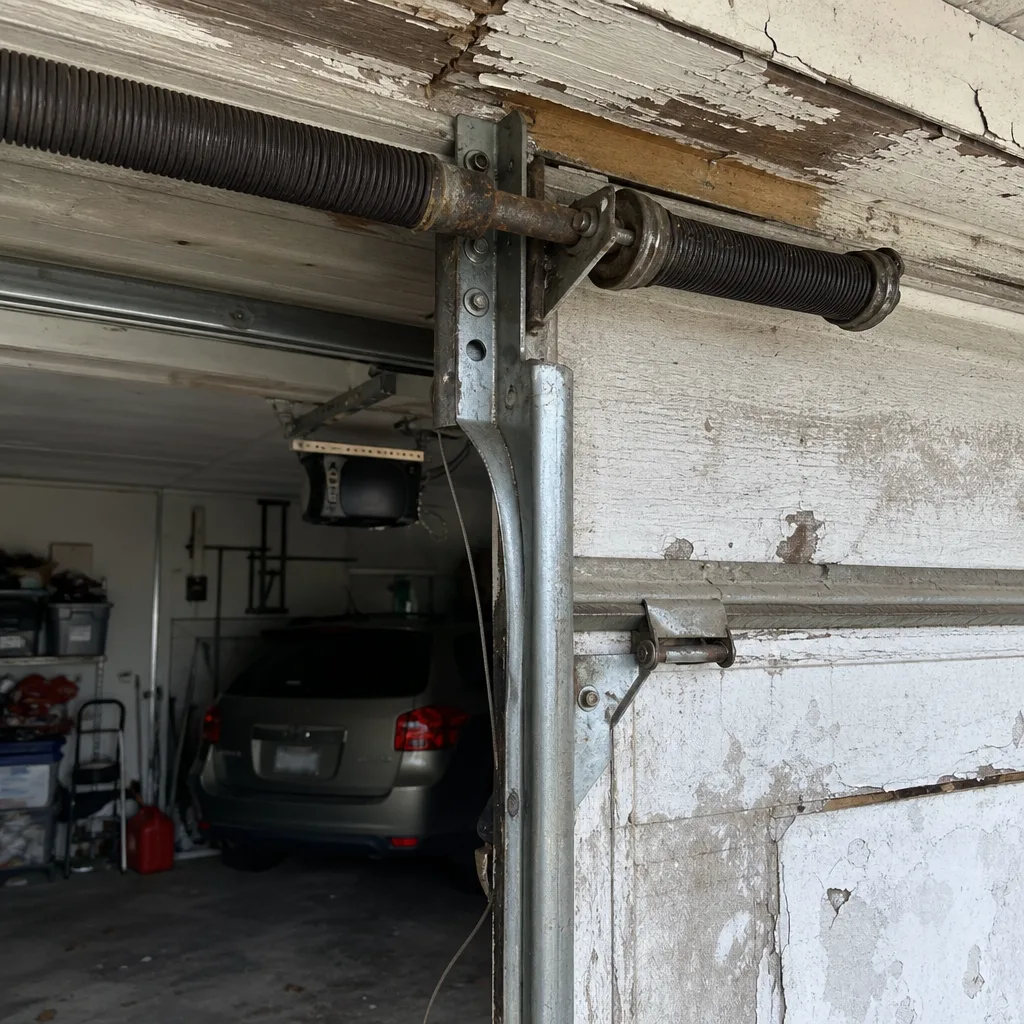 Before
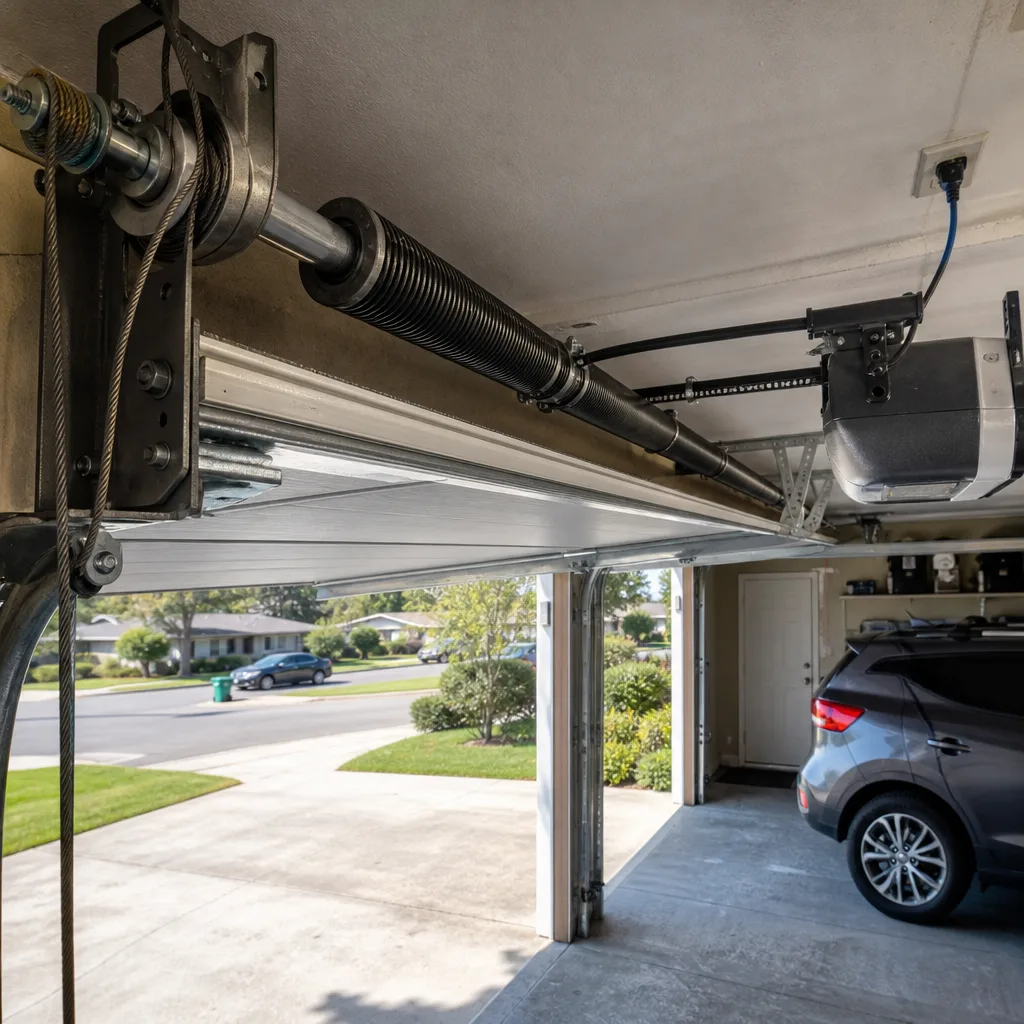 After
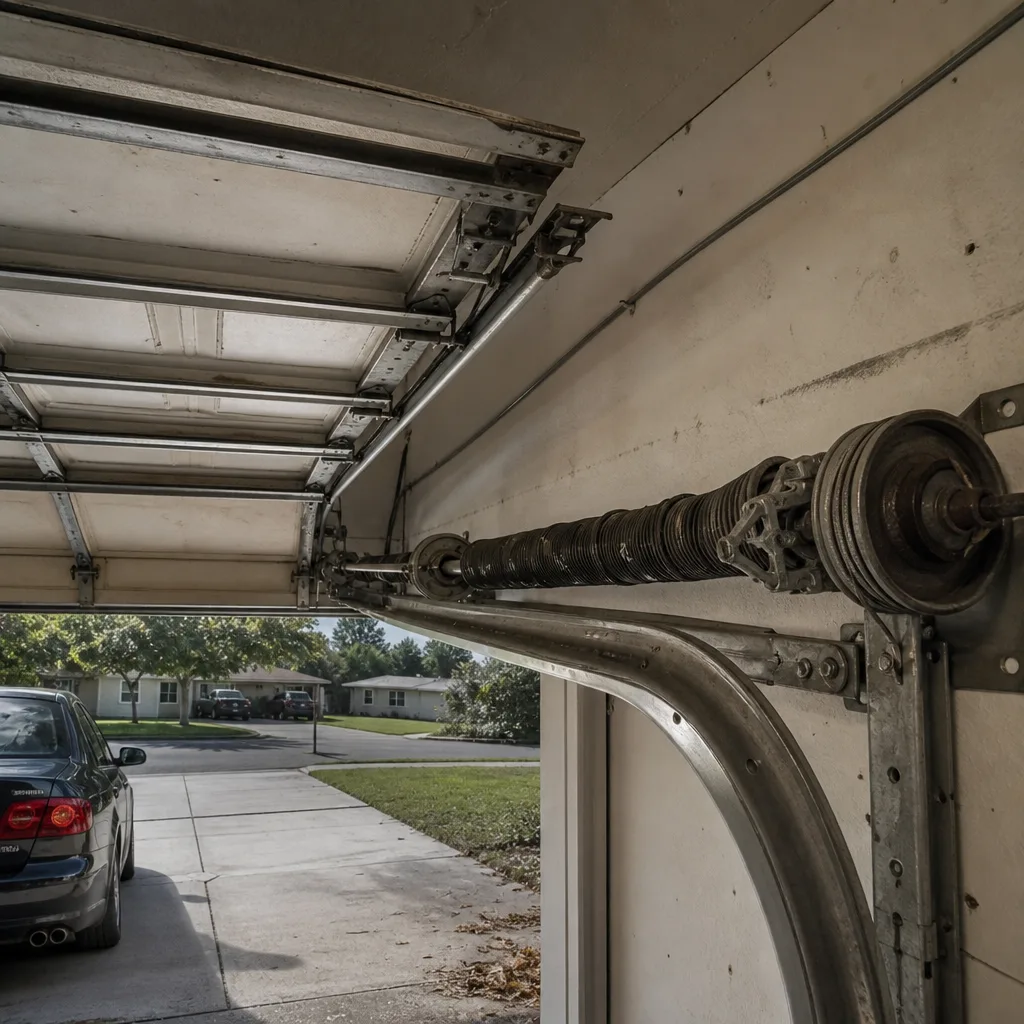 Before
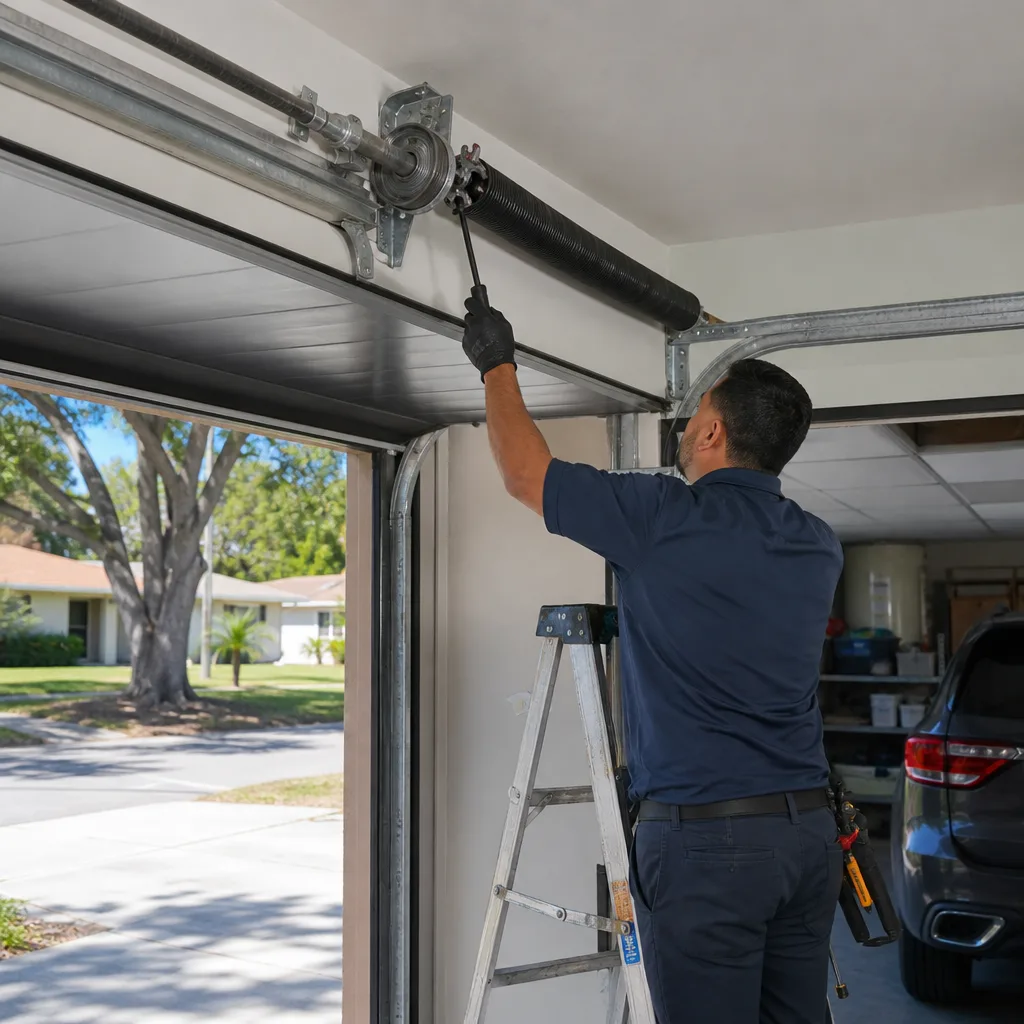 After
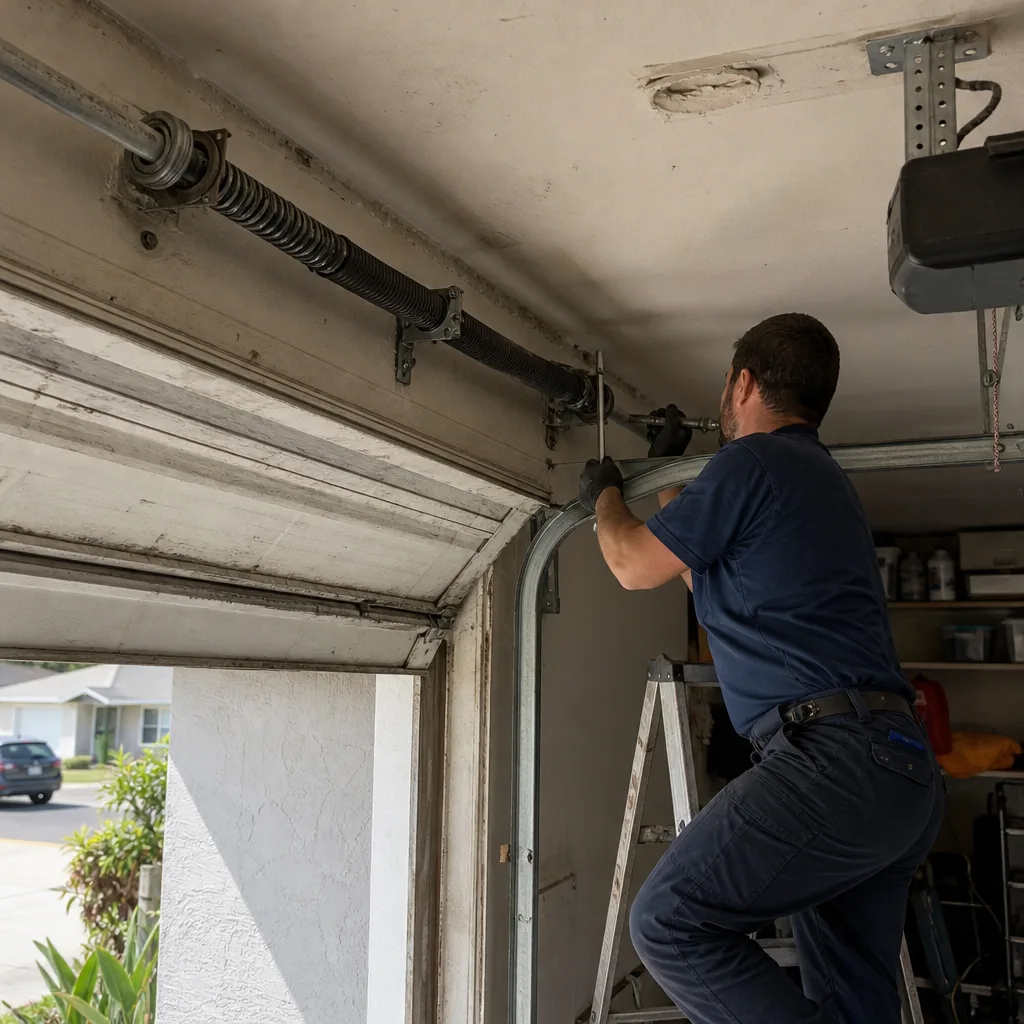 Before
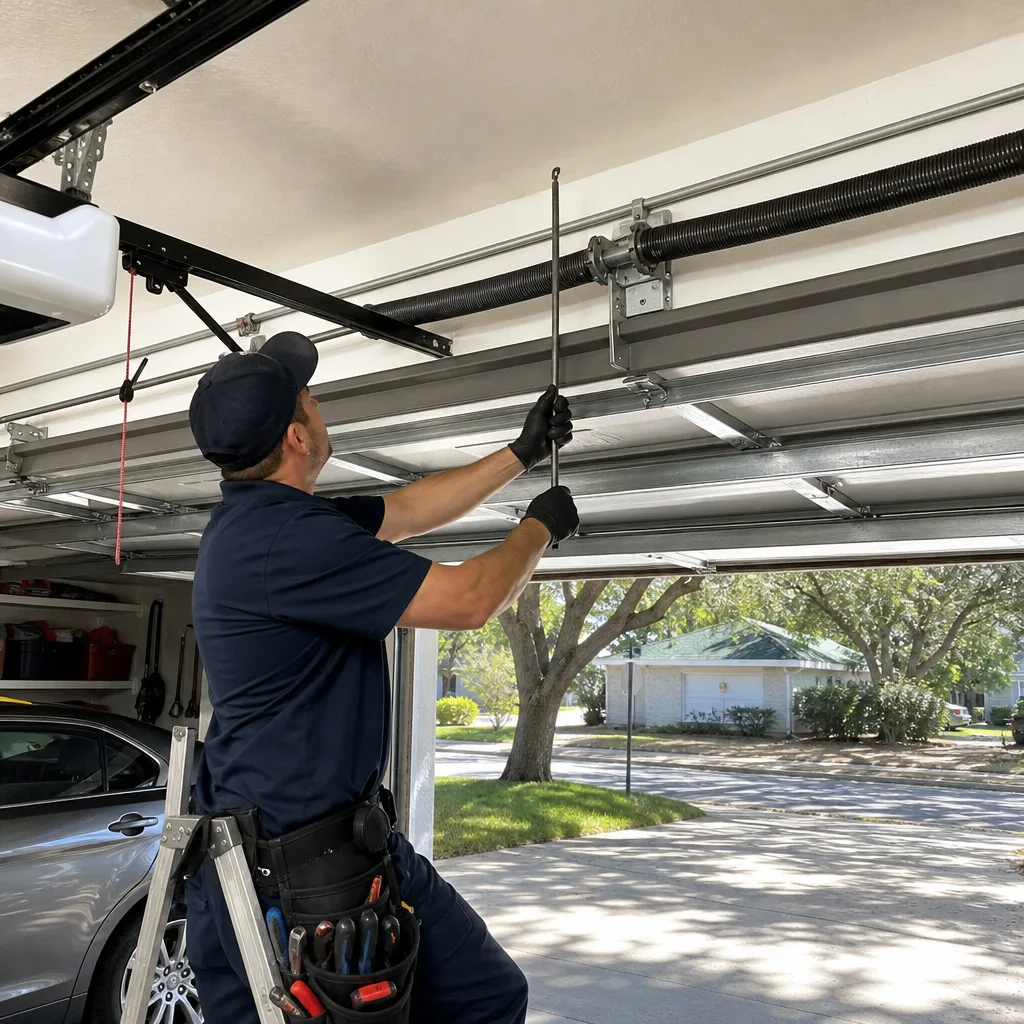 After