
Last updated October 30, 2026
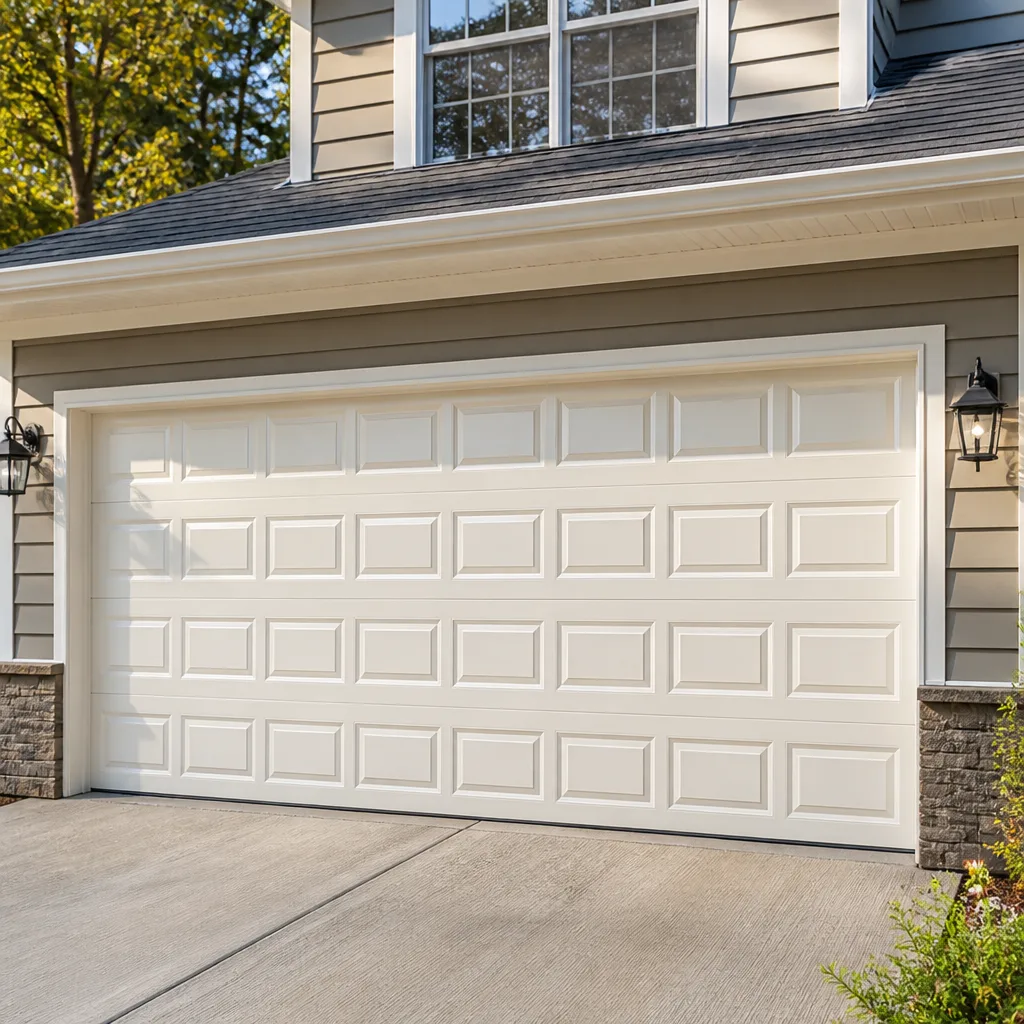 Raised-panel steel
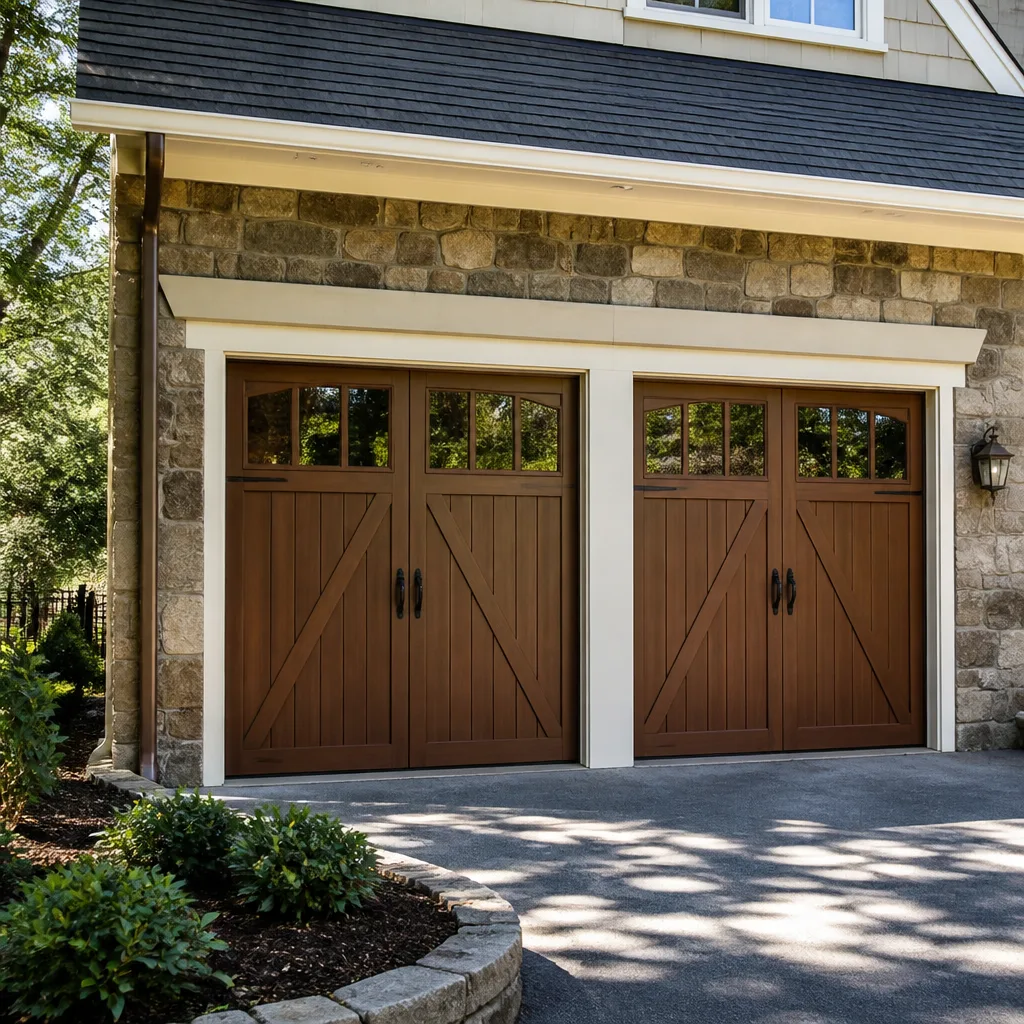 Carriage house
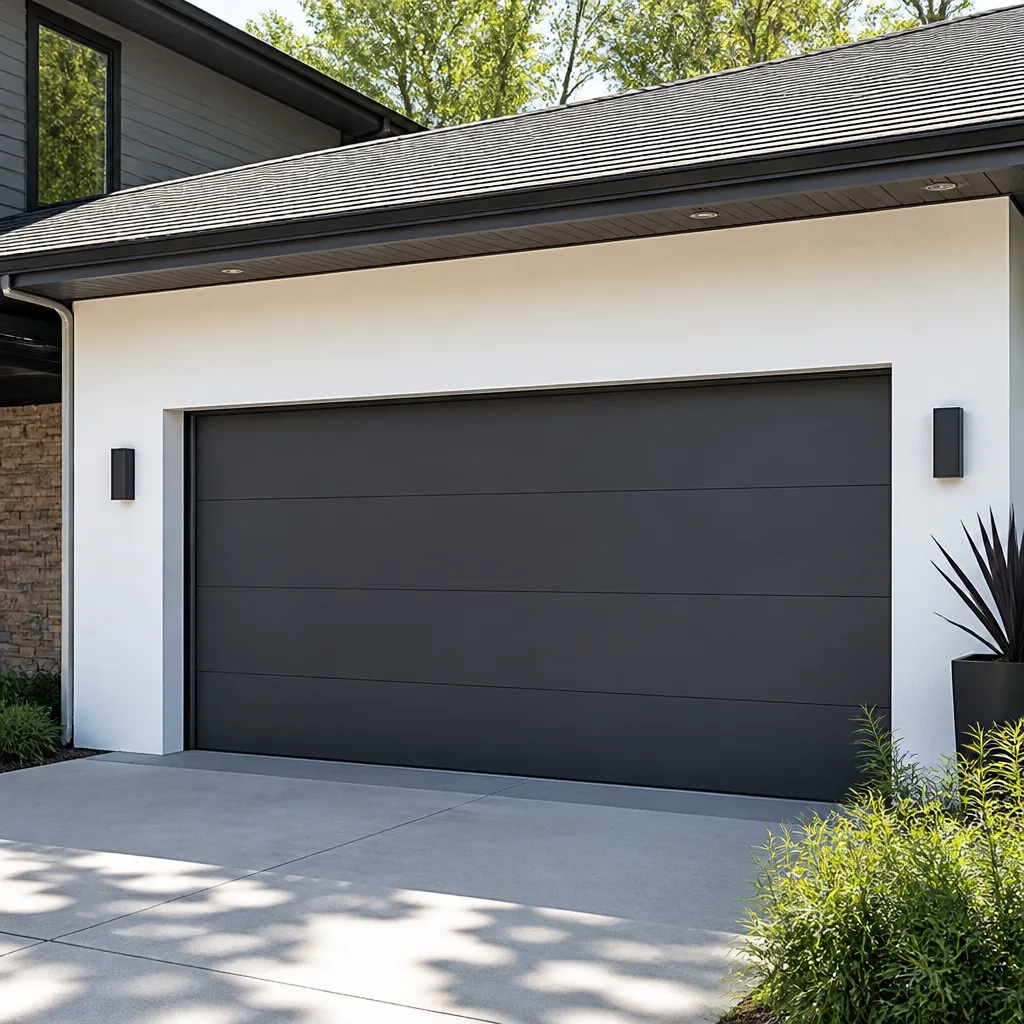 Modern flush
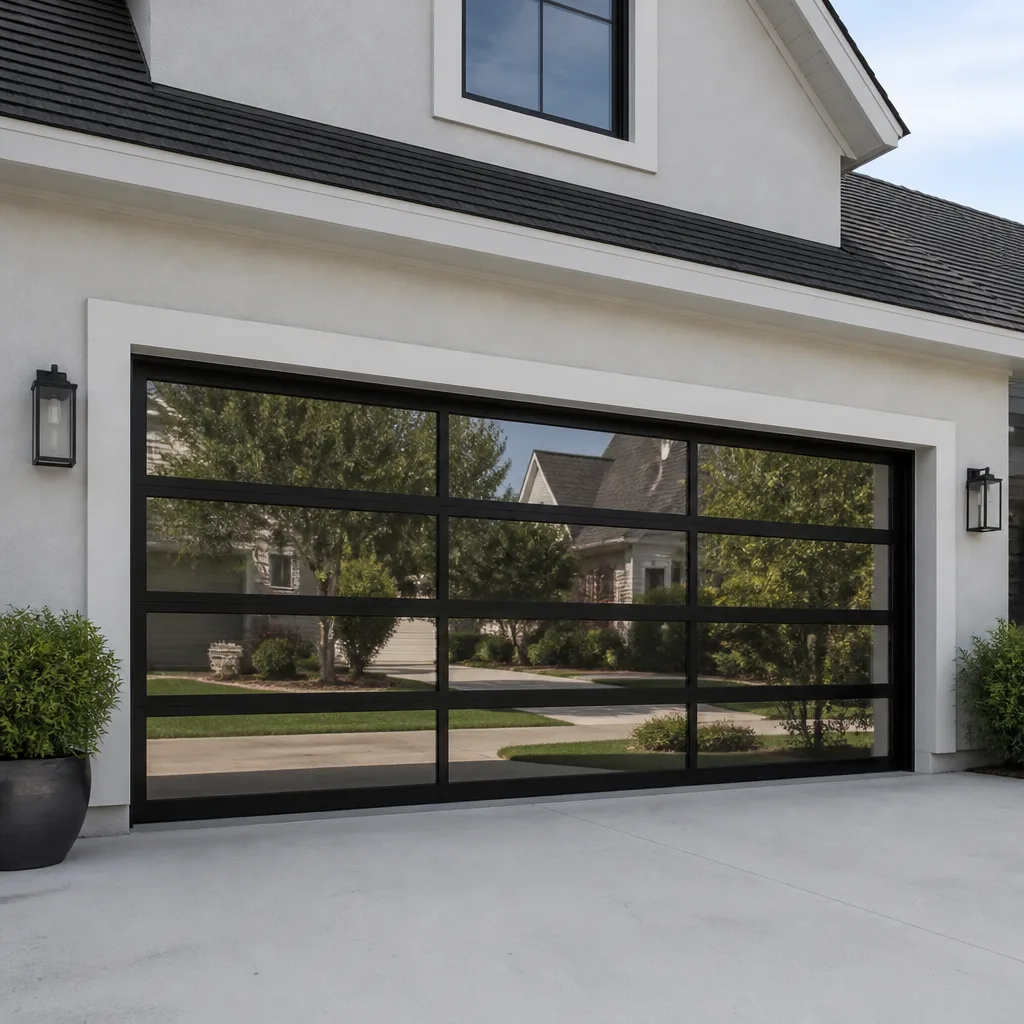 Full-view glass
 LiftMaster openers
 Chamberlain openers
Full 25-point door and opener safety check with every visit - springs, cables, rollers, tracks, and your LiftMaster or Chamberlain opener included
You get a price before we start. It does not change when the truck arrives.
Get your free estimateGarage Door Emergency Preparedness Guide for St. Petersburg Homes
During Hurricane Ian’s approach, a pattern emerged across Pinellas County that had nothing to do with wind speed or storm surge. Homeowners discovered their battery backup openers had dead batteries. Manual release cords were jammed from years of non-use. Some doors couldn’t be manually lowered at all because the emergency cord had been removed entirely during a past repair. None of those were storm damage. They were preparation failures that became emergencies at the worst possible moment. This guide will prepare your St. Petersburg home for the specific garage door emergencies the Florida Gulf Coast actually produces; for Garage Door Repair Troubleshooting: Common Problems and How to Fix Them, see our dedicated guide.
Quick Answer
A garage door emergency in St. Petersburg is most often a door that won’t seal before a named storm, a power outage that traps a vehicle inside, or a wind-damaged door that leaves the garage exposed. The single most important preparedness step you can take is running a manual release drill every spring: disconnect the opener, lower the door by hand, and lock it from the inside—add this to your Garage Door Repair Maintenance Checklist for St. Petersburg Homeowners. Then test or replace your opener’s battery backup, because Florida heat kills those batteries faster than their listed lifespan suggests.
Styles & brands we work with
Table of Contents
- How to Operate Your Manual Release (and Why You Must Practice It)
- Battery Backup in Florida Heat: What Actually Works
- Pre-Storm Securing: Bracing, Code, and When Not to Reinforce
- Post-Storm Assessment: What Wind Damage Looks Like From Inside
- What Emergency Garage Door Service Actually Covers
- Power Outages and Evacuation: Getting Your Car Out Fast
- A Seasonal Preparedness Calendar for St. Petersburg Homes
- Common Mistakes to Avoid
- When to Call a Professional
- Frequently Asked Questions
How to Operate Your Manual Release (and Why You Must Practice It)
Every automatic garage door opener has a manual release mechanism. It’s a red cord hanging from the trolley assembly on the opener rail, usually with a red plastic handle. Pulling it disengages the door from the motorized carriage, allowing you to move the door by hand. In a power outage, this is your only way to open or close the door. In an evacuation, it’s the difference between getting your car out and leaving it behind. During Hurricane Ian, St. Petersburg homeowners who had never touched that red cord had to learn how it worked by flashlight in the dark, often with a storm bearing down on them.
Here’s what to do, step by step:
- Pull the red cord straight down, toward the floor. You’ll hear a click as the carriage disengages from the chain or belt. The door is now free to move manually.
- Lift the door by its handles or bottom edge. A properly balanced door should feel heavy but lift smoothly. If it doesn’t move, stop. Forcing it can wrench the tracks or damage the rollers.
- Close the door the same way if conditions require. Lower it slowly by hand. Once fully closed, slide the manual locking bar (if your door has one) through the track to secure it. If you don’t have a lock bar, use a heavy-duty padlock or a pair of vise grips clamped onto the track just above a roller. This prevents the door from being lifted from outside.
- To re-engage the opener, pull the red cord backward toward the motor while pressing the wall button. The carriage will re-catch the trolley on the next cycle.
Two things fail most often in the manual release drill. The first is the cord itself: after years of heat exposure in a St. Petersburg garage, the rope can fray or the handle can snap off. The second is the lock: many homeowners never realize their door has no manual lock at all, because they have always relied on the opener for security. We recommend checking both every time you change your smoke detector batteries. If the cord is damaged or the door has no manual locking option, that’s a simple hardware fix before storm season. Our Garage Door Repair in St. Petersburg page covers those upgrades in detail.
Battery Backup in Florida Heat: What Actually Works
Battery backup openers are no longer a luxury in Pinellas County. Since 2017, Florida building code has required battery backup on all new garage door opener installations in homes; see Garage Door Permits, Codes & Inspections in FL: What You Need to Know for full details. But a battery backup is only useful if it works, and Florida heat is brutal on lead-acid and lithium-ion batteries alike. The lifespan stamped on the battery is an estimate from a lab in Ohio, not a promise written for a garage that hits 105 degrees in August.
Here’s what we tell homeowners in St. Petersburg about battery backup reality:
- Expect 2 to 3 years of useful life from a backup battery in our climate, not the 5 years often quoted by manufacturers. Heat accelerates chemical degradation inside the battery. When we replace openers in older St. Petersburg homes, the backup battery is almost always dead or holding less than 40% of its rated capacity.
- Test it quarterly, not annually. Unplug the opener from the wall outlet and run a full cycle. The battery should lift and lower the door at normal speed. If it’s sluggish, that’s a warning sign. If the door stalls mid-cycle, the battery is done.
- Understand real-world cycle counts. A fully charged battery backup typically provides 10 to 20 open-close cycles. That sounds like a lot until you consider that an evacuation morning involves opening the door, closing it, opening it again, and closing it again. Four cycles before you even leave the driveway. If you lose power for three days, you’re cycling the door twice daily. It adds up.
- LiftMaster and Chamberlain dominate the battery-backup market in St. Petersburg, and their backup units are generally solid. Genie models use a different battery form factor. If you have a Craftsman opener, check its model number: many newer Craftsman openers are Chamberlain-built and use the same backup batteries. We work across all of these daily and can identify your backup type by the opener’s model plate.
If your opener predates the 2017 code requirement and has no battery backup at all, you have a decision to make. The simplest fix is adding a standalone battery backup unit, but in our experience, homeowners with openers over 10 years old are often better served by a full opener replacement that includes backup capability built in. It’s a cost call, but it’s also an evacuation-readiness call. We cover the specifics on our Garage Door Opener Repair in St. Petersburg page.
Pre-Storm Securing: Bracing, Code, and When Not to Reinforce
When a named storm enters the Gulf and the Pinellas County evacuation zones are announced, one of the first questions homeowners ask is whether they should reinforce their garage door. The answer depends on your door’s wind-load rating, not on how sturdy it looks.
Florida building code requires garage doors in coastal counties like Pinellas to meet specific wind-load standards: 150 mph in most of St. Petersburg, 160 mph or higher close to the water. Doors installed before 2002, or doors that were never rated for this market, may not meet those numbers. And here’s the counterintuitive part: a horizontal bracing kit can make a non-compliant door more dangerous. When braces transfer wind force from the door panels to the tracks and mounting hardware, a door that wasn’t engineered for that load can tear its tracks off the wall, sending the entire assembly and the braces into the garage interior. The Pinellas County emergency management guidance assumes your door meets code. If it doesn’t, bracing is not a shortcut. It’s a hazard.
What you should do before storm season begins in June:
- Check for a wind-load sticker. Look on the inside of the door, near the bottom section or on the track. A compliant door from Amarr, Clopay, Wayne Dalton, or another rated manufacturer will carry a label listing its wind-load rating and installation requirements. No sticker means no verification.
- If your door is compliant and you want braces: Install them properly, with steel angles bolted through the panels and anchored into framing, not drywall. Pre-cut kits are available, but they must match your specific door width and panel profile. A generic kit from a hardware store is better than nothing only if it actually fits.
- If your door is not compliant: The honest answer is that a St. Petersburg home in a hurricane evacuation zone should not rely on a non-rated door. Replacement is a planned project, not a last-minute scramble, which is why the window between May and late July is the right time to schedule it. Our Garage Door Installation in St. Petersburg page walks through the options.
One more St. Petersburg-specific point: salt air. Doors within two miles of the bay or Gulf accumulate corrosion on hinges, rollers, and bottom seals much faster than inland doors. A corroded track means a wind-loaded door binds instead of transferring force properly. Annual track inspection is not optional near the water.
Post-Storm Assessment: What Wind Damage Looks Like From Inside
After a storm passes, the temptation is to open the garage door to check the driveway and street. In many cases, that’s a mistake. A door that was wind-loaded during a hurricane or strong thunderstorm may have internal stress that isn’t visible until the door moves. Opening it can cause a sudden panel collapse, a broken spring, or a cable snap.
Before touching the opener, walk around the inside of the garage and look for these signs:
- Track displacement: Look at the vertical tracks on both sides. They should be straight and parallel. If one track is bowed, twisted, or pulling away from the wall, the door absorbed a lateral load it wasn’t designed for.
- Panel deflection: Stand back and look at the door face. Wind pressure can bow individual sections inward. A 1/8-inch deflection on a single panel may be cosmetic. A 1/2-inch deflection on a bottom section means the panel’s structural integrity is compromised.
- Cable slack: Look at the lift cables running up each side. They should be taut. A loose cable means the spring system lost tension, and the door is now supported by whatever remains of its hardware. Do not operate the door in this condition.
- Mounting point stress: Check the bolts where the horizontal track mounts to the ceiling and where the opener hangs. If you see drywall cracks radiating from those bolts, or the bolts have shifted, the opener’s weight has become a load on framing it wasn’t designed to support.
- Water line evidence: If you see a clear water line on the walls or door panels, flood water entered the garage. Electrical openers that were submerged or wetted are not safe to operate without an inspection.
If any of those signs are present, leave the door closed. Temporarily secure it with vise grips on the track, a lock bar, or a 2×4 wedged against the top panel from the inside. Then call a professional. In our own St. Petersburg service calls after Hurricane Ian and more recent wind events, we found that doors showing even two of those signs almost always needed spring, track, or panel replacement, not adjustment.
What Emergency Garage Door Service Actually Covers
When a homeowner calls an emergency garage door service in St. Petersburg, they usually have one of three situations: a door that won’t open and blocks the only vehicle exit, a door that won’t close and leaves the home unsecured, or a door that someone forced open or closed and now won’t move at all. An emergency call should address any of those immediately. But the term “emergency service” has limits that honest contractors will tell you about.
In a normal week, emergency service means a same-day or next-day visit, with the technician arriving ready to diagnose and usually complete the repair on that first trip. We stock springs, cables, rollers, brackets, and opener parts for the brands we service daily: Clopay, Amarr, Wayne Dalton, Craftsman, and the opener lines from LiftMaster, Chamberlain, and Genie. Most garage door problems are solved in a single visit because the required parts are on the truck.
After a regional storm event, that changes. Every garage door company in Pinellas County is suddenly running 14-hour days across a service area where hundreds of doors failed at once. Realistic response times stretch to 3-5 days for non-structural issues, longer for full door replacements that require ordering a custom-sized panel or non-stocked model. A good emergency service provider will still answer the phone, still dispatch triage calls by severity, and still tell you exactly what to do to secure the door until they arrive. What a good provider will not do is promise an arrival time they can’t keep.
Here’s what you can do while waiting, regardless of who you call:
- Secure the door from inside. Use the manual lock bar if present. If not, clamp vise grips onto both vertical tracks just above a roller. This prevents the door from being lifted from outside.
- If the door is stuck partially open and can’t be lowered, prop the opening with 2x4s until it can be secured. Do not use the opener to force it.
- If the door is fully closed and won’t open, leave it alone unless you absolutely must get a vehicle out. Each forced attempt risks additional damage.
- If the door was wetted in a flood, unplug the opener from the outlet and do not operate it. Water intrusion in an opener is an electrical hazard.
The most common emergency call we receive in St. Petersburg is a broken torsion spring, and for that repair we prioritize speed because the door is nearly impossible to lift manually when a spring fails. Most homeowners are back to normal operation the same day.
Power Outages and Evacuation: Getting Your Car Out Fast
St. Petersburg loses power in three recurring scenarios: summer thunderstorms with lightning strikes on substations, hurricane wind events, and the occasional grid overload during heat advisory weeks. In each case, the garage door opener goes dead if it lacks a functioning battery backup, and the car is trapped unless you know the manual release procedure covered earlier in this guide.
But evacuation adds a second layer of urgency. During an evacuation order, you’re not just moving the car. You’re loading supplies, corralling kids and pets, and operating on a timeline set by traffic patterns on I-275 and the bridges. The last thing you need is to discover your manual release cord is stuck.
Here’s a pre-evacuation checklist for your garage door:
- Run the manual release once. Disengage, lift the door by hand, lower it, re-engage. Thirty seconds. Do it now, not at 5 a.m. on evacuation morning.
- Test the battery backup. Unplug the opener and run a full cycle. If the door struggles or stalls, replace the battery before storm season.
- Know where your manual lock is. If you evacuate and leave the door down, you need to secure it manually so it can’t be lifted by wind or by someone entering an evacuated neighborhood. Vise grips are not a permanent solution, but they work in a pinch.
- Park the car with the fuel tank full or the EV charged. This isn’t garage door advice, but it determines whether the door matters at all.
After you return, if the power is still out, the door will need to be operated manually until service is restored. That’s normal and safe as long as the door was in good mechanical condition before the outage. If the door has a broken spring, do not attempt to lift it manually. A door with a broken spring weighs 150 to 300 pounds and can fall suddenly.
A Seasonal Preparedness Calendar for St. Petersburg Homes
Garage door preparedness is not a June 1st scramble. It’s a set of tasks distributed across the year, tied to St. Petersburg’s specific calendar: storm season from June through November, the high-heat months of July and August that strain batteries, and the drier winter months that are ideal for planned replacement projects.
March to May (Pre-Storm Season Preparation)
- Run the full manual release drill: disengage, lower by hand, lock, re-engage.
- Test the battery backup under load. Replace if it’s over 2 years old or fails the cycle test.
- Inspect the emergency release cord for fraying, stiffness, or a missing handle.
- Check the door’s wind-load sticker. If missing, schedule a compliance assessment.
- Lubricate rollers, hinges, and springs with white lithium grease. Clean the tracks.
- Inspect the bottom seal for cracks or gaps. A worn seal lets wind-driven rain into the garage before and during a storm.
June to November (Active Storm Season)
- Keep vise grips or a manual lock bar accessible inside the garage.
- When a named storm enters the Gulf, close and secure the door 24 hours before expected landfall.
- Charge the battery backup by keeping the opener plugged in. If you lose power, ration cycles: manually open and close when possible to preserve the battery.
- After any storm with sustained winds over 40 mph, do a post-storm visual inspection before operating the door.
December to February (Planned Improvements)
- Schedule spring replacement if the current springs are over 7 years old or have visible gaps in the coils.
- Schedule opener replacement if your unit predates 2017 and lacks battery backup.
- Use the cooler weather for a full door replacement if your current door doesn’t meet Pinellas County wind-load code. Installation in December is far easier to schedule than installation in August.
- Have a professional inspect the track alignment and panel condition after the previous storm season.
Common Mistakes to Avoid
- Removing the manual release cord because it “looks messy.” We see this in St. Petersburg garages that were converted to workshops or gyms. The cord is an essential safety and emergency feature. Removing it is a preparation failure that becomes an emergency.
- Never running the manual release drill. Knowing the cord exists is not the same as knowing how it functions on your specific opener model. The first time you pull it should not be during a power outage.
- Assuming the battery backup is fine because the opener works. The backup battery is idle most of the year. It can be completely dead while the opener functions normally. Testing requires unplugging the opener, not just pressing the button.
- Bracing a non-compliant door. Reinforcing a door that doesn’t meet Pinellas County wind-load code can cause catastrophic track failure during a storm. The braces transfer force to hardware that wasn’t engineered to hold it.
- Opening a wind-loaded door immediately after a storm. Internal stress from wind loading may not be visible until the door moves. A visual inspection from inside first costs nothing and prevents additional damage.
- Forcing a door that won’t move. If the manual release is pulled and the door still won’t lift, the likely cause is a broken spring or a jammed roller. Forcing it can bend the track and snap a cable, doubling the repair cost.
When to Call a Professional
Call a professional when the spring is broken, when the cables are loose or snapped, when the track is displaced, or when the door has been water-damaged enough to compromise the opener’s electronics. Call when the manual release drill reveals a door that’s too heavy to lift by hand, which points to a balance problem that will only get worse. Call when your wind-load sticker is missing and you need to know whether your door meets code. And call after any storm event where the door shows the post-storm signs described above. St. Petersburg Garage Door Repair offers free estimates in St. Petersburg. Call (855) 473-1420 and we’ll send a technician who works on your brand, not just whatever brand the company happens to stock.
Frequently Asked Questions
Emergency spring replacement in St. Petersburg typically runs $280 to $450 depending on the spring size and door weight, with most repairs completed the same day. Exact pricing depends on your door model and what failed, so call (855) 473-1420 for a quote before any work starts, and we stand by the quoted number.
Yes, in most normal-week situations, we carry springs, cables, rollers, and brackets for the brands we service and can complete the repair on the first visit. After a regional storm event, same-day service depends on call volume, but we triage by severity and will always give you a realistic arrival window.
No. We quote the repair before work begins and the price you approve is the price you pay. If the technician finds additional damage, you’ll see a revised quote and approve it before anything else is done. Call (855) 473-1420 for a free estimate.
Most of the time, yes. We work across LiftMaster, Chamberlain, Genie, Clopay, Amarr, Wayne Dalton, Craftsman, and Raynor, and our trucks are stocked with the springs, cables, rollers, opener components, and brackets that cover the vast majority of residential doors in St. Petersburg. If your door requires a special-order panel or non-stocked component, we’ll tell you upfront and give you a timeline.
Pull the red emergency release cord hanging from the opener rail, which disengages the door from the motor. Then lift the door by hand using the bottom edge or handles. If the door won’t lift easily, a spring may be broken, and you should not force it. Call us at (855) 473-1420 before attempting any further movement.
Look for a wind-load sticker on the inside of the door near the bottom section or on the track. If it’s there and lists a rating of 150 mph or higher, your door meets the minimum for most of St. Petersburg. If the sticker is missing, we can assess the door’s construction and hardware and tell you what you actually have, then give you options if it falls short. Visit our St. Petersburg Garage Door Repair home page to schedule that assessment.
The Bottom Line
St. Petersburg garage door emergencies are predictable. The battery that’s dead because Florida heat killed it before its time. The manual release cord that was never tested. The door that was never rated for the wind loads our storm season produces. The post-storm door that gets opened too soon and turns a repair into a replacement. Every one of those failures is avoidable with a few minutes of seasonal attention and the willingness to replace what’s actually worn out instead of hoping it holds one more season. Run the drill before June. Test the battery before you need it. Check the wind-load sticker before the storm forms. And when something does fail, call (855) 473-1420. Same team, every service. From broken spring to full installation, one call covers it.
Written by the team at St. Petersburg Garage Door Repair, serving St. Petersburg since 2011. Explore more guides & resources from our team.
See the difference
 Before
 After
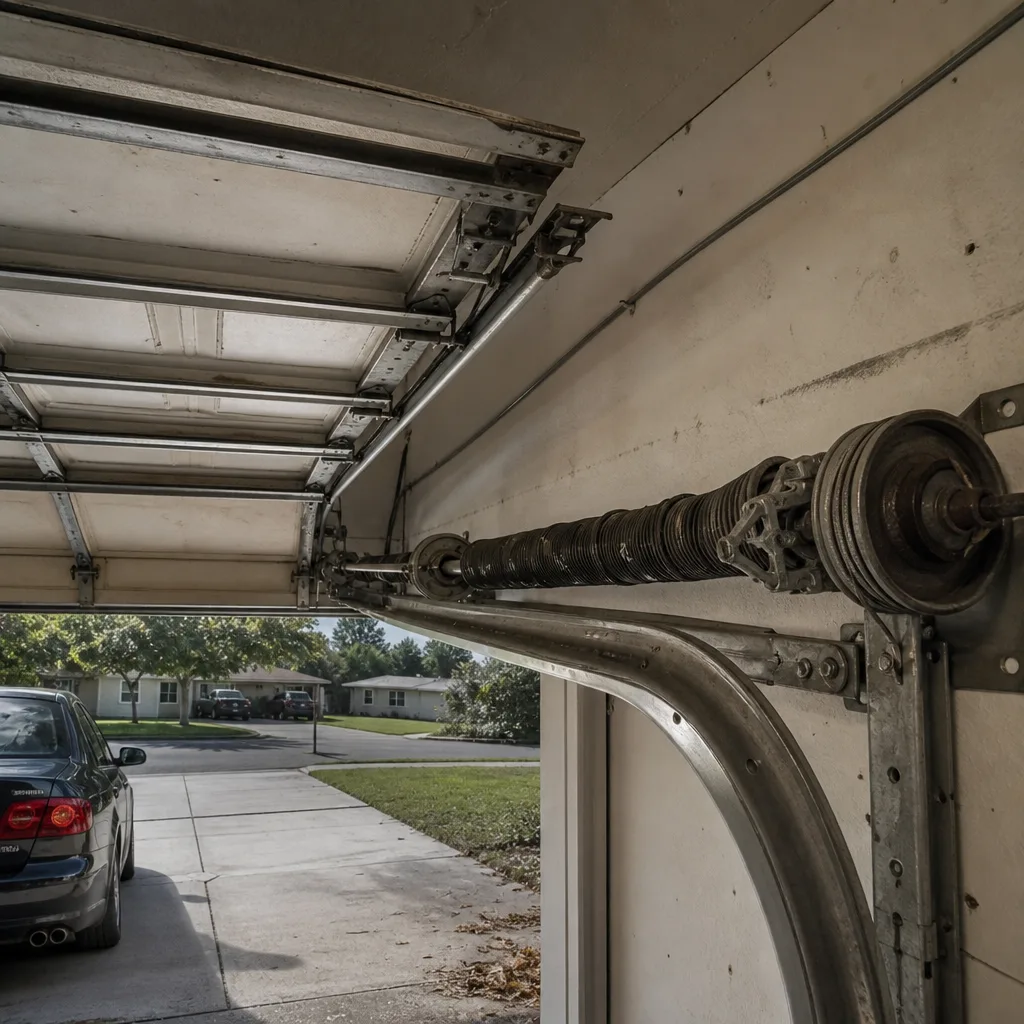 Before
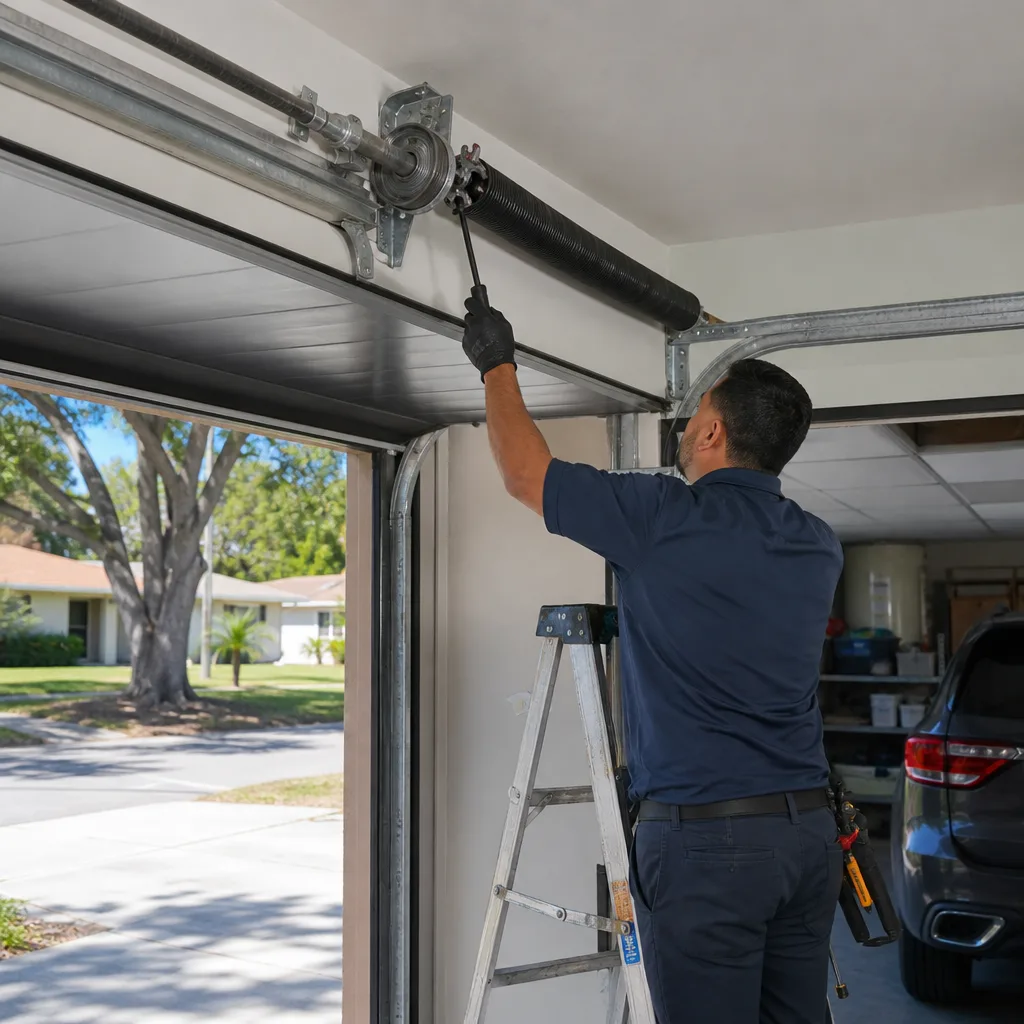 After
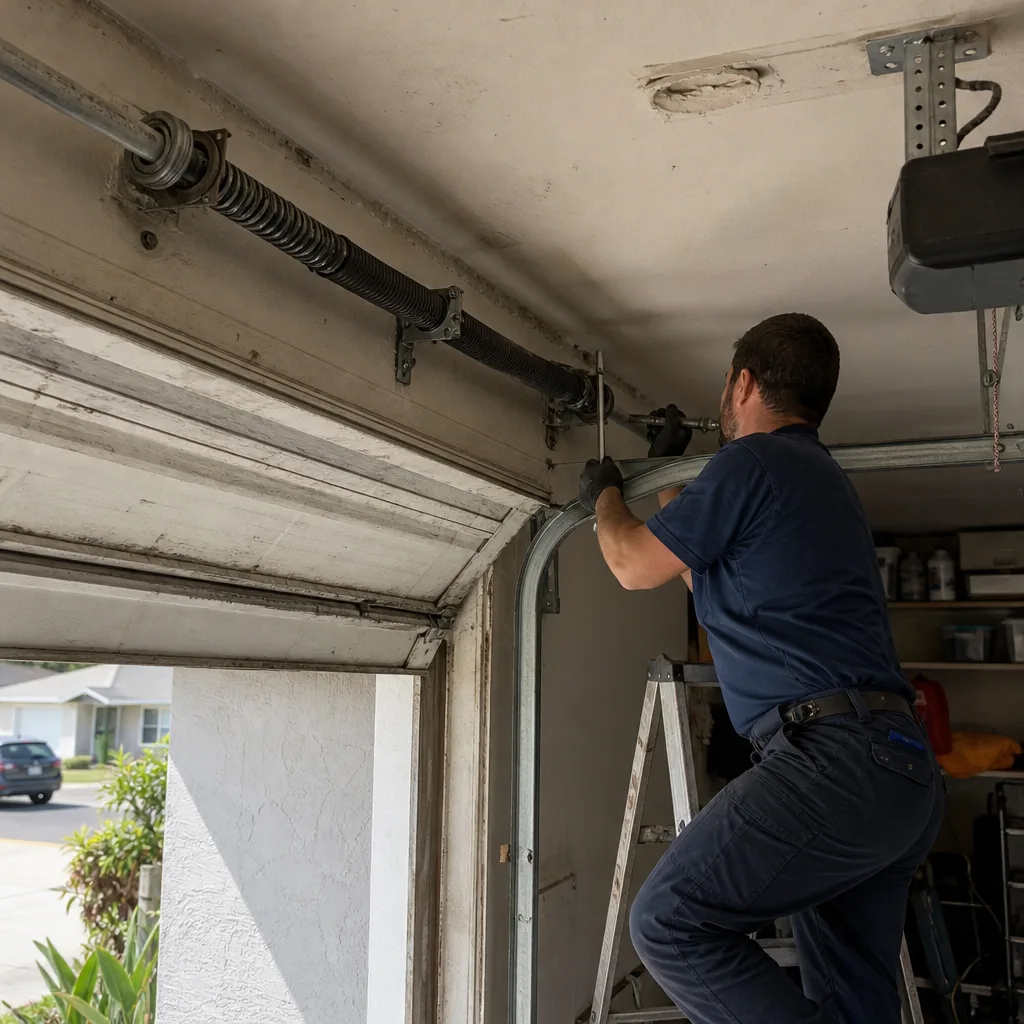 Before
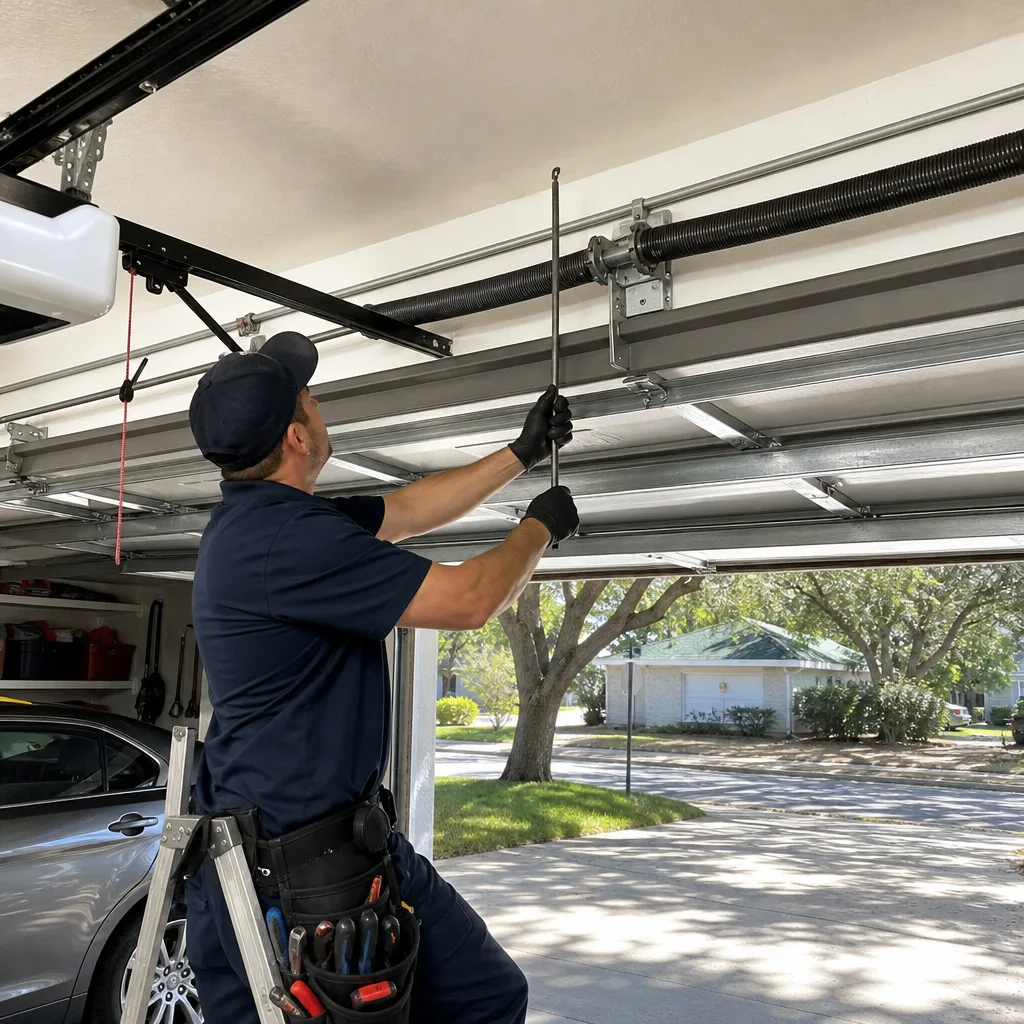 After